The curator closes their eyes
Meet something unexpected.
One place, one composer, one playable score—and sometimes a manuscript, instrument or recording. Every encounter comes from the documented collection.
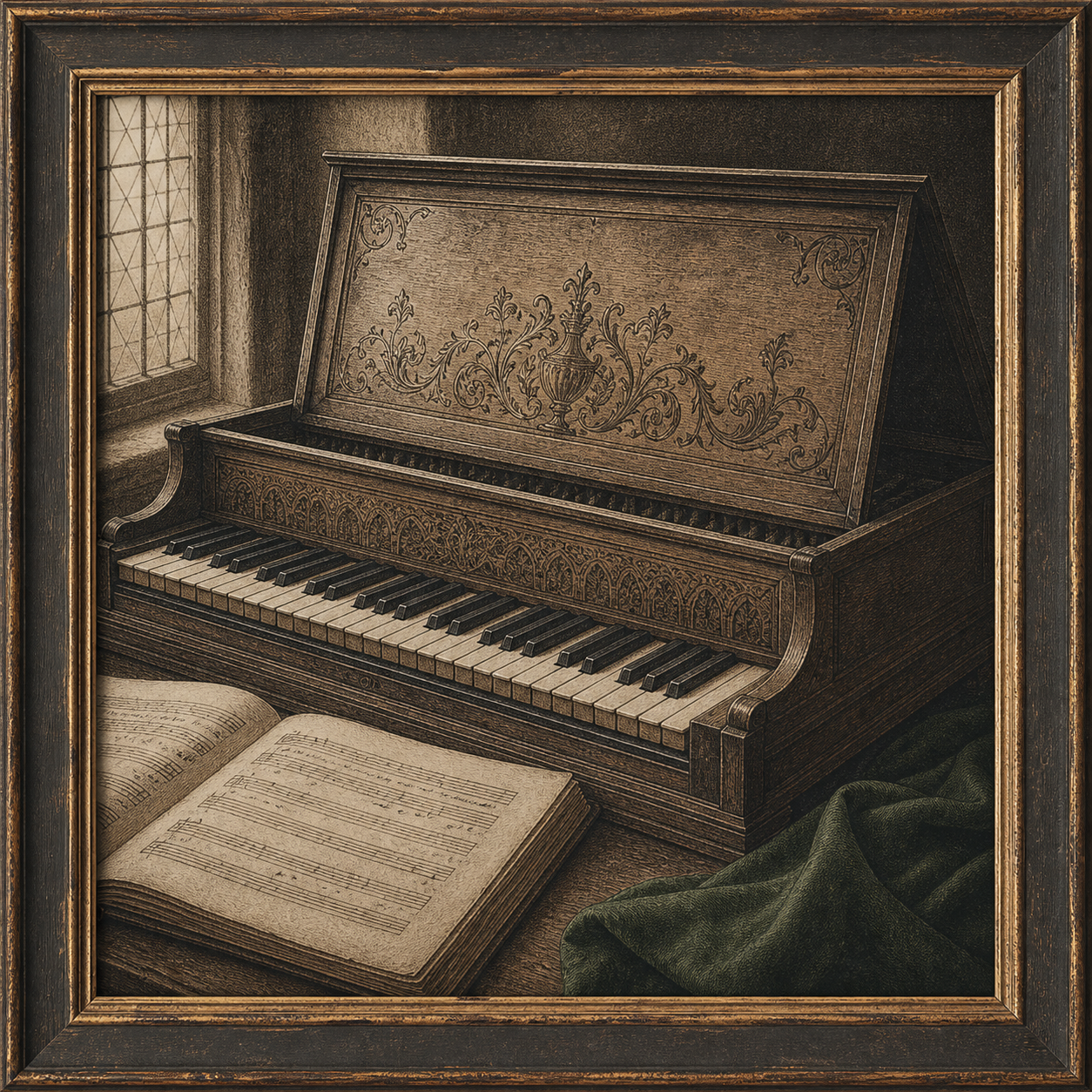
Italy · chapter I
Giovanni Gabrieli
Venice: architecture becomes music
At St Mark's and the city's other churches, organists worked in spaces shaped by galleries, ceremony and strong acoustic contrasts. Cavazzoni helped establish an independent repertory for keyboard; Merulo and the Gabrielis made Venice a European point of reference for contrapuntal and ceremonial writing. A century later, Vivaldi's concertos carried Venetian instrumental energy across Europe; this collection includes solo-organ adaptations, standalone keyboard versions, and clearly marked harpsichord or continuo parts intended to be played with orchestra or ensemble.
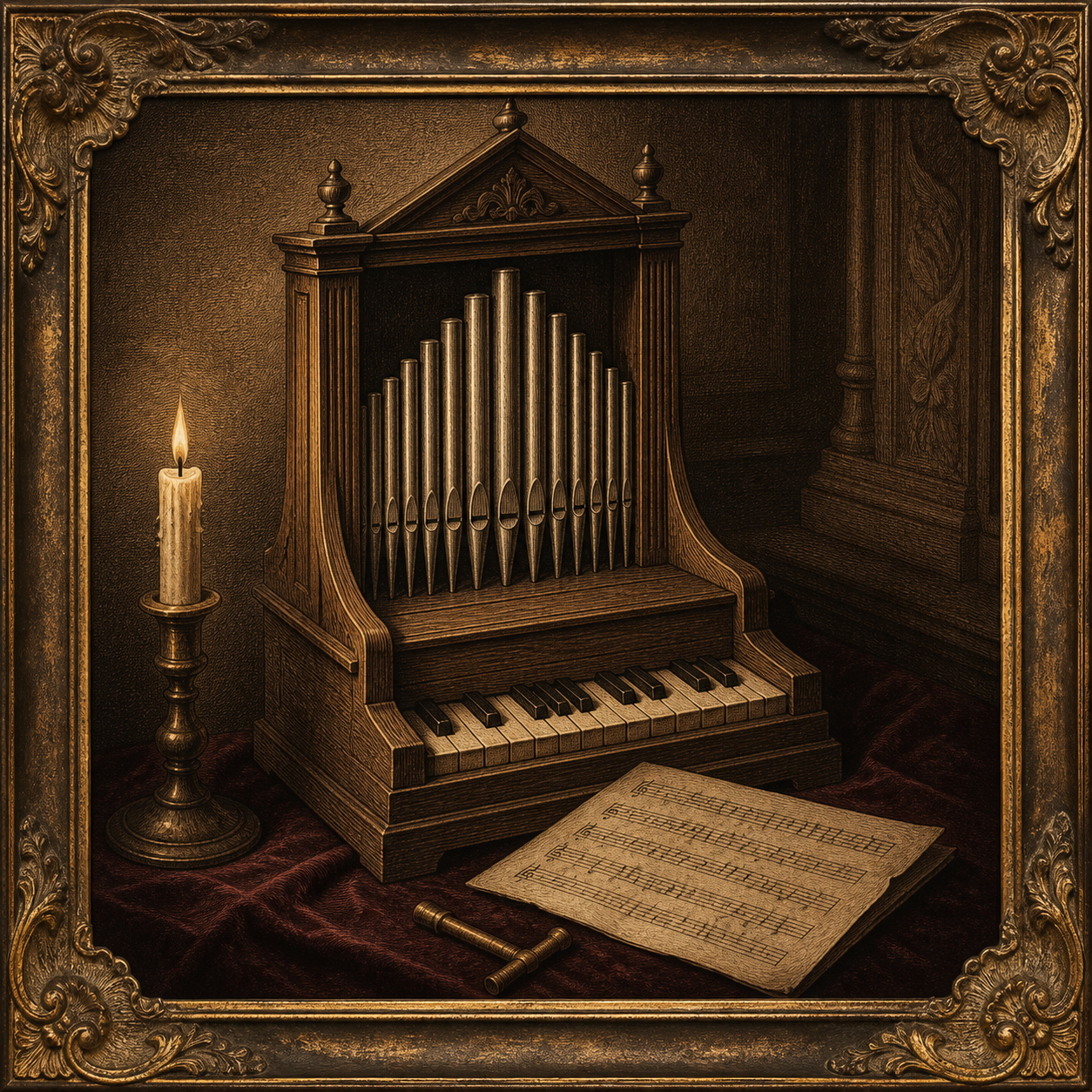
Italy · chapter II
Michelangelo Rossi
Rome and the eloquent keyboard
The keyboard could imitate speech: hesitate, accelerate, ornament and surprise. Frescobaldi's toccatas and liturgical organ music became models far beyond Italy. Rossi and Pasquini carried the improvisatory tradition into new forms and new generations.
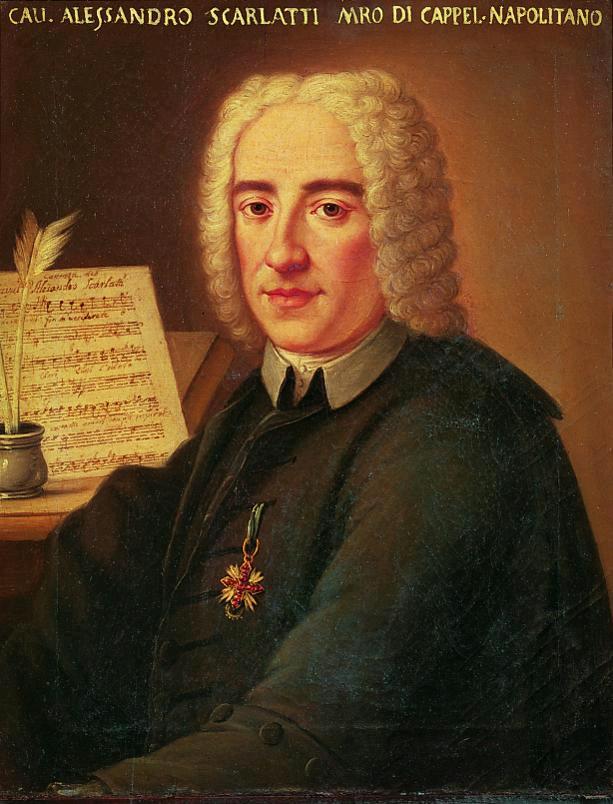
Italy · chapter III
Alessandro Scarlatti
The sonata leaves home
The single-movement sonata became a laboratory for touch, rhythm and hand-crossing. Alessandro Scarlatti stands at the operatic and keyboard threshold; Domenico transformed the sonata at the Iberian courts. Galuppi, Zipoli and their contemporaries reveal how widely Italian keyboard styles travelled.
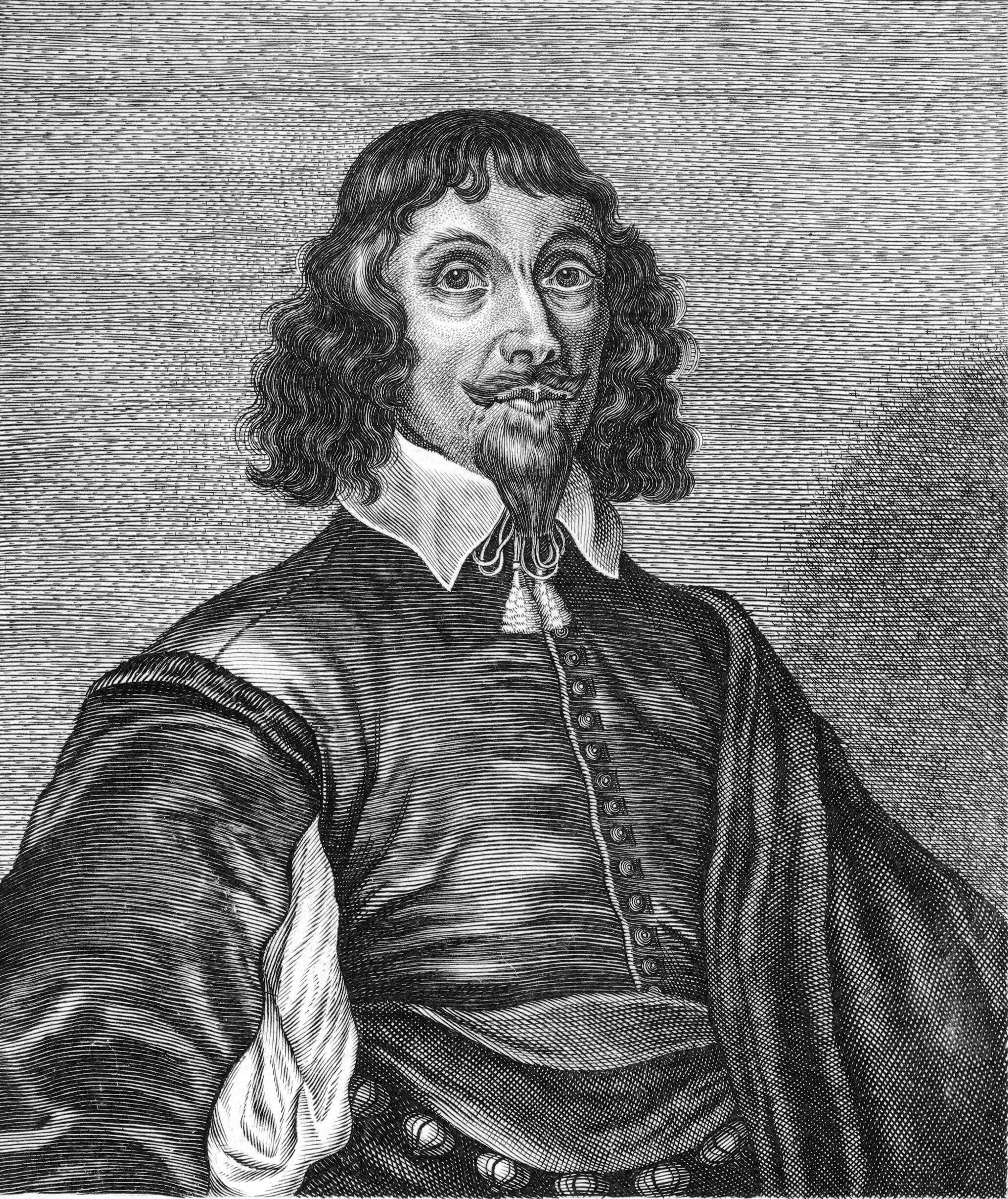
Germany · chapter I
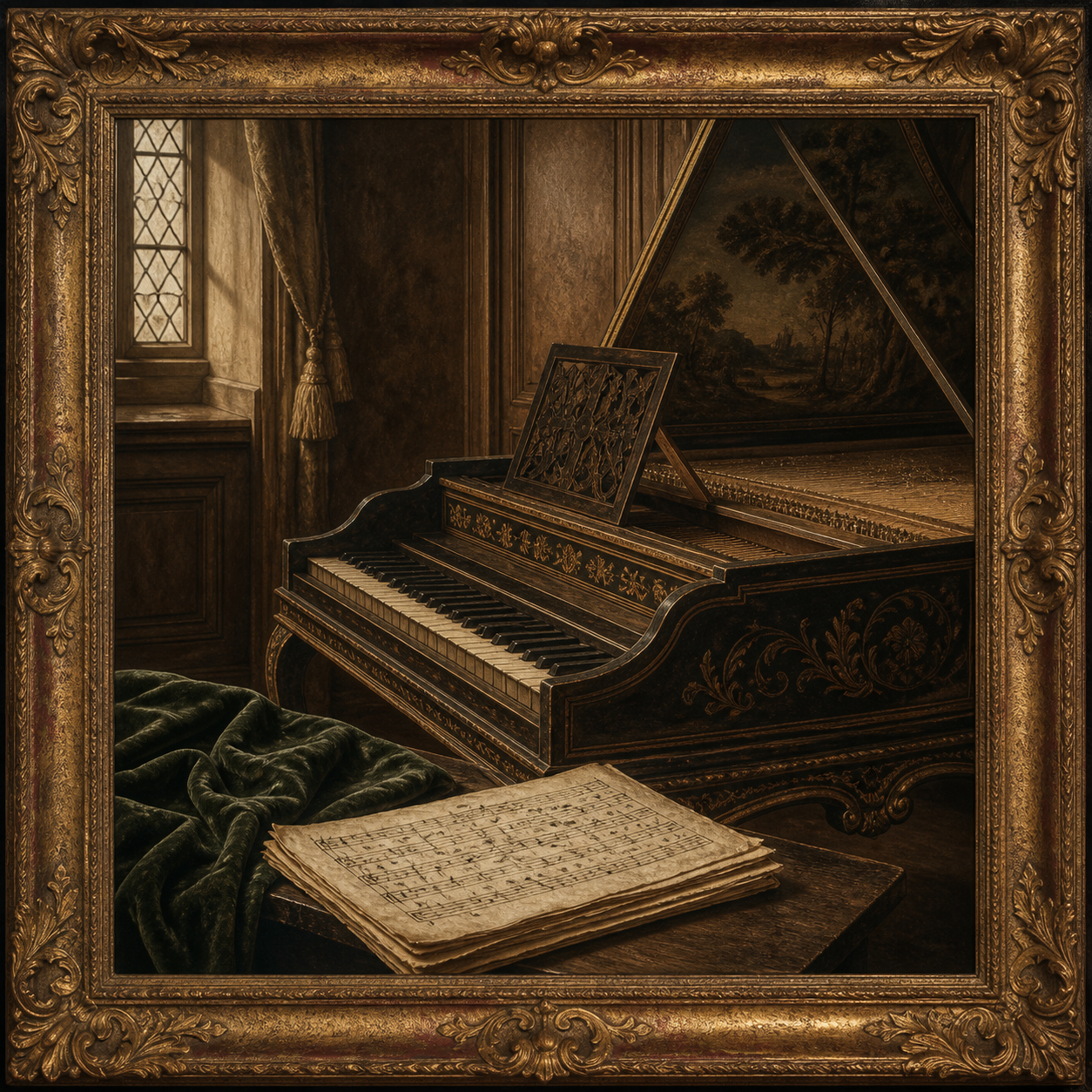
Heinrich Scheidemann
The northern route
Sweelinck's teaching in Amsterdam fed directly into the north-German organ school. Scheidemann, Reincken and Buxtehude turned chorales, preludes and free forms into large musical architectures designed for the sonority of northern organs.
Germany · chapter II
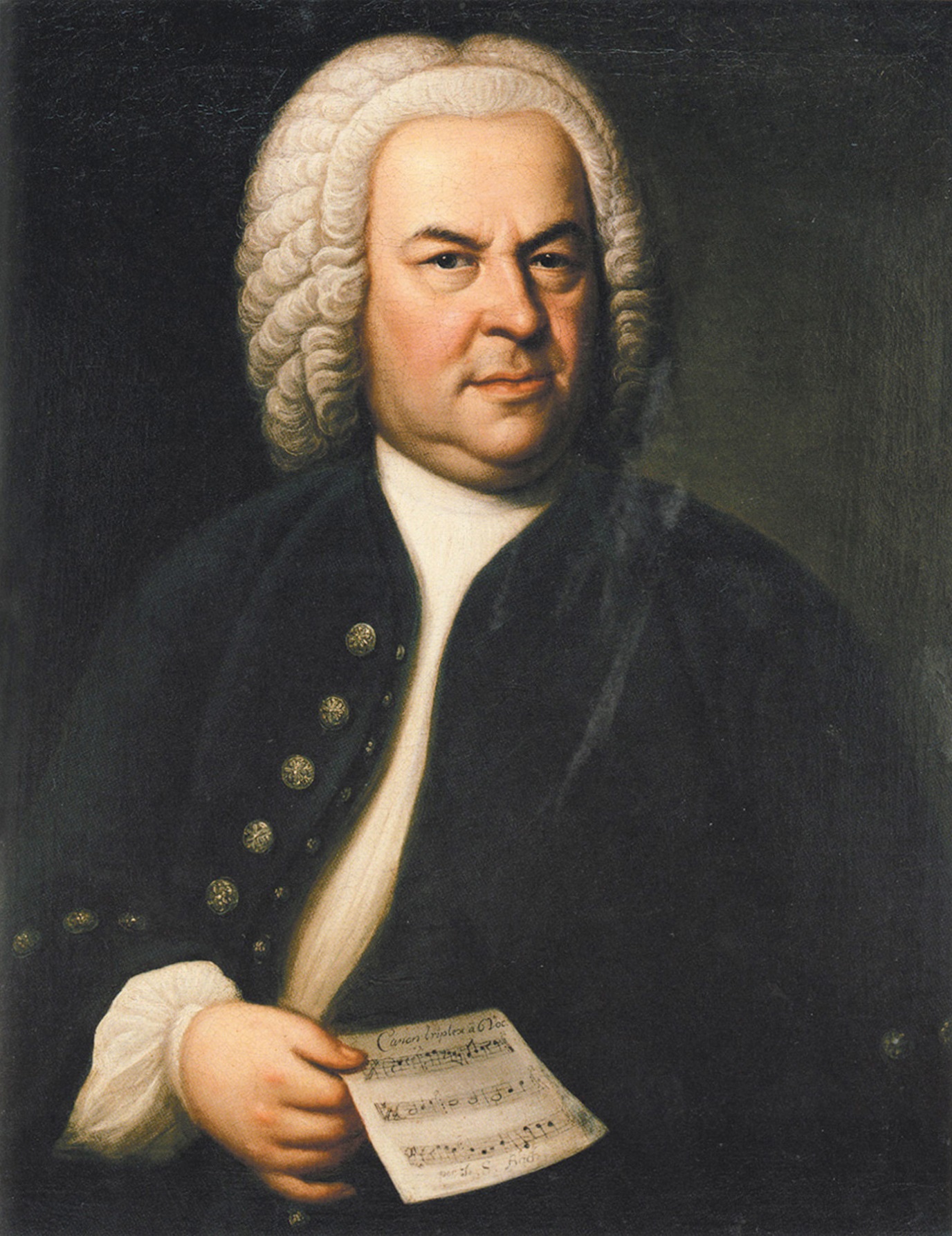
Johann Pachelbel
Courts, cities and private keyboards
Froberger brought Italian and French keyboard manners into a highly personal style. Pachelbel joined contrapuntal clarity to chorale practice, while Kuhnau's suites and sonatas show the keyboard becoming an instrument of narrative as well as devotion.
Germany · chapter III
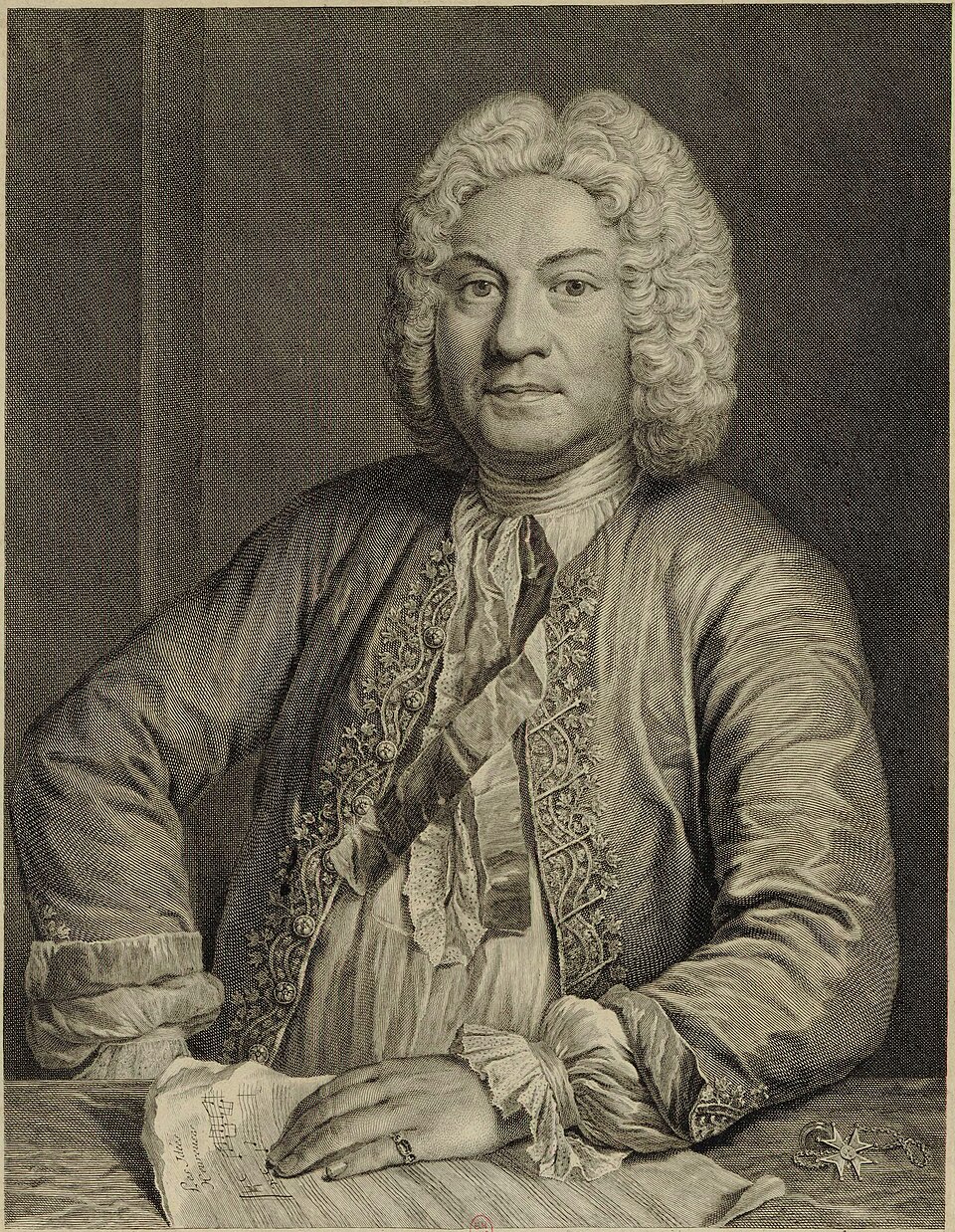
Johann Sebastian Bach
Bach gathers the traditions
Johann Sebastian Bach did not end these traditions; he made them converse. The inventions train two independent hands, the suites absorb dance, and the organ works unite chorale, rhetoric and virtuosity. On the Inventions pages, Thomas Ragossnig's complete Spotify recording is the primary listening link.
France · chapter II
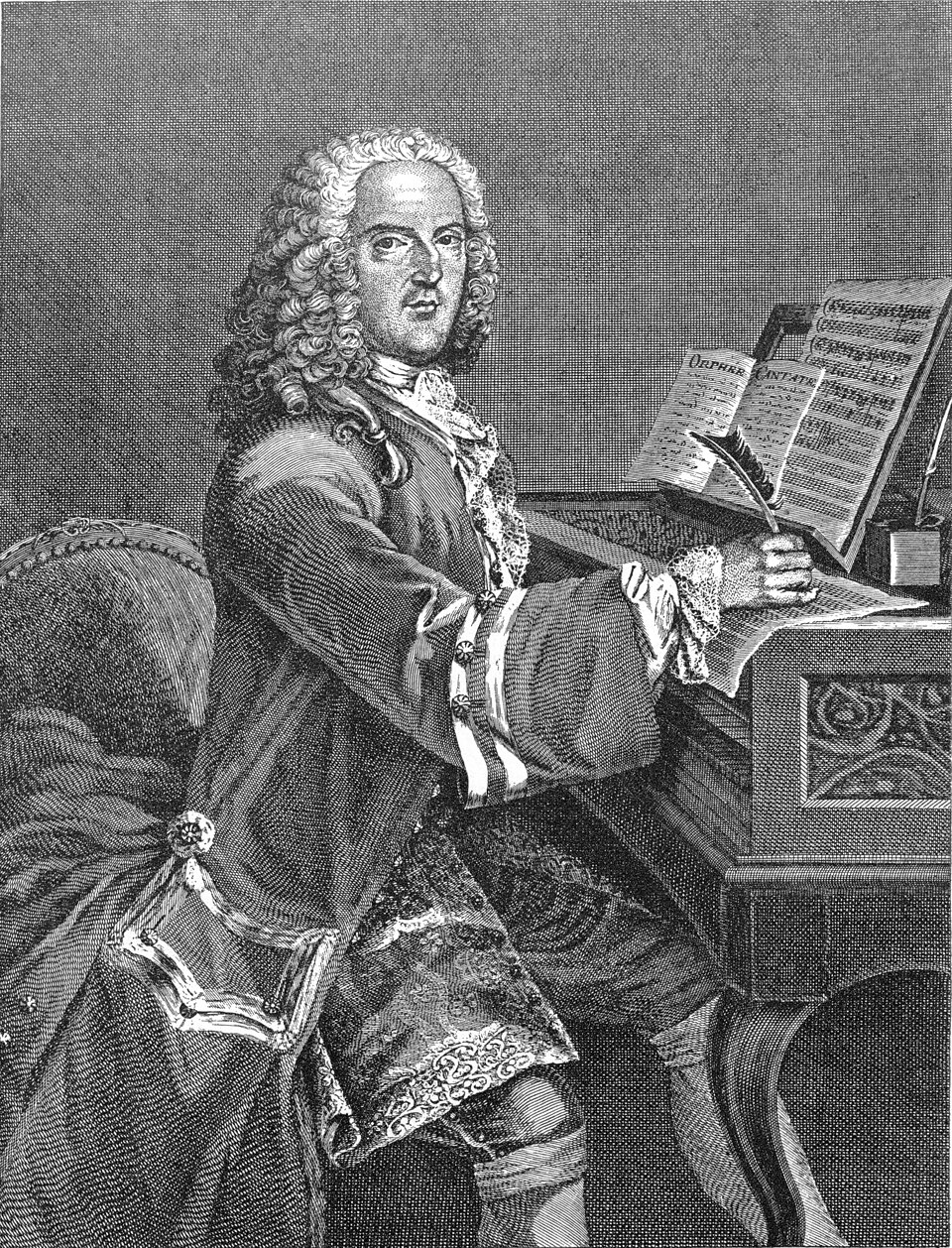
François Couperin
At the clavecin
The harpsichord suite became a gallery of dances and character pieces. D'Anglebert preserved a rich language of ornament; François Couperin grouped pieces into ordres; Rameau joined physical keyboard brilliance to an unusually exact ear for harmony.
France · chapter I
Louis-Nicolas Clérambault
The organ book
Published organ books organised music by liturgical function and by registration. Nivers, Lebègue and de Grigny wrote pieces whose titles—plein jeu, dialogue, récit and others—tell the player how contrasting divisions of the French classical organ should speak.
France · chapter III
Louis-Nicolas Clérambault
Virtuosity and character
Marchand and Daquin brought public brilliance to organ and harpsichord writing. Their music makes contrast itself expressive: weight against delicacy, sustained resonance against quick figuration, ceremony against wit.
France · chapter IV
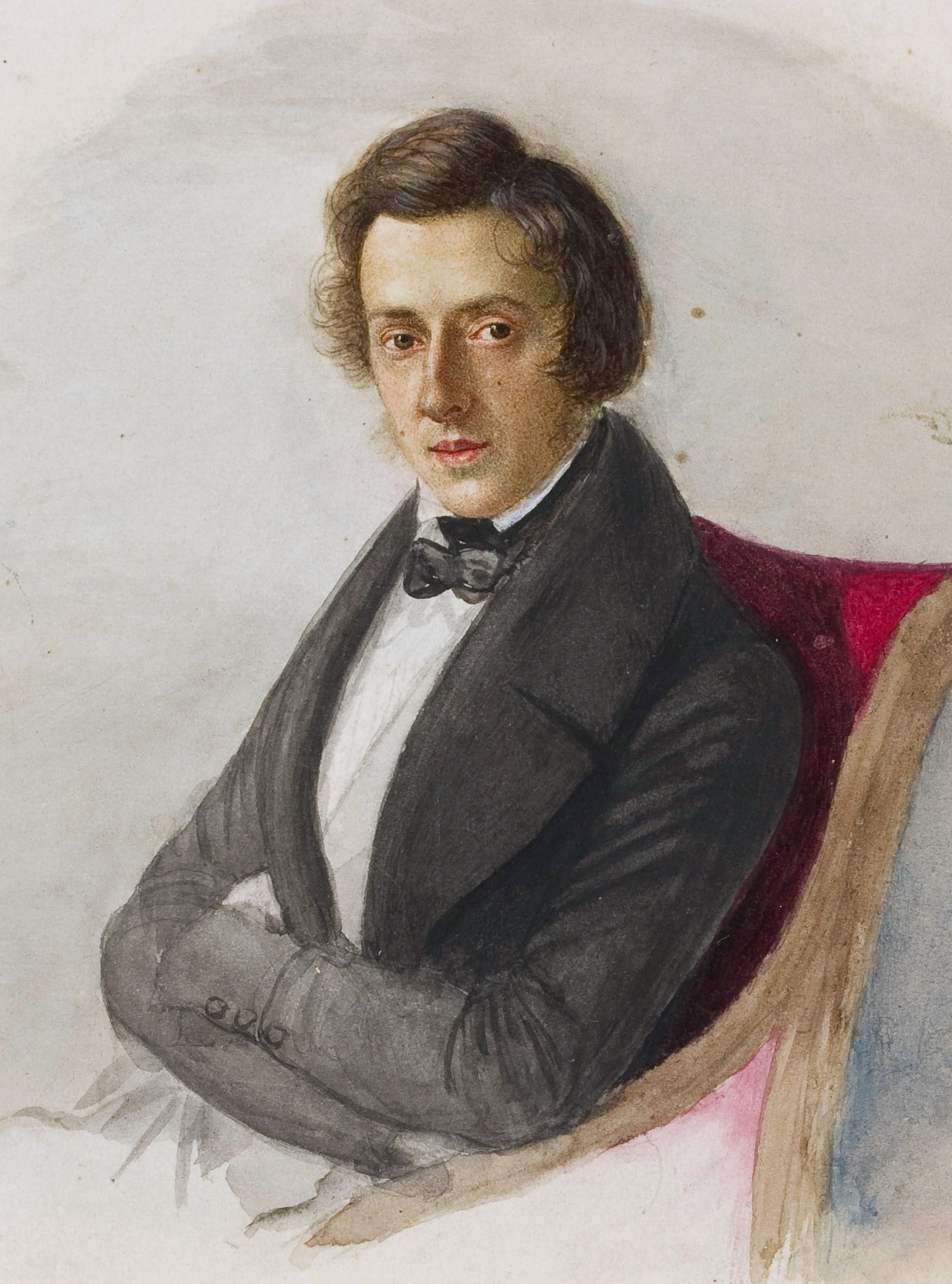
Frédéric Chopin
Chopin in Paris
Chopin arrived in Paris on 5 October 1831, after leaving Poland the previous year. He entered the city's musical circles, made his Paris debut at the Salle Pleyel in 1832, taught pupils from Polish and French aristocratic families, and published with Schlesinger. Teaching supplied much of his income; public concerts were comparatively rare, while salons were a favourite place to perform. This Paris chapter complements the Warsaw and Polish-dance story in the Poland route.
England · chapter I
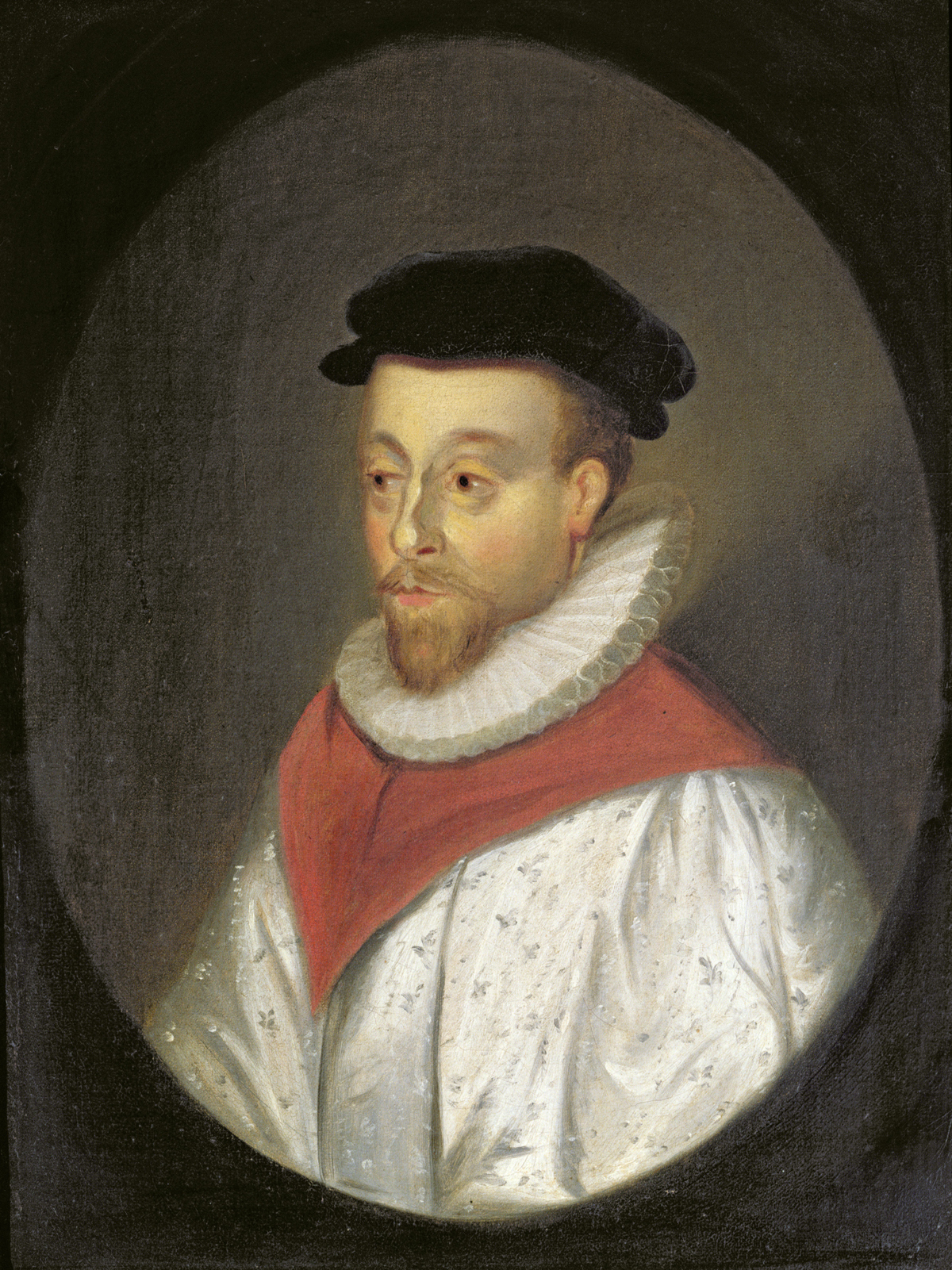
Orlando Gibbons
The age of the virginalists
Byrd, Bull, Gibbons and Tomkins treated the keyboard as an orchestra in miniature. Grounds, pavans, galliards, fantasias and variation sets reveal a school at once contrapuntal and brilliantly tactile; the surviving manuscripts preserve both celebrated and obscure voices.
England · chapter II
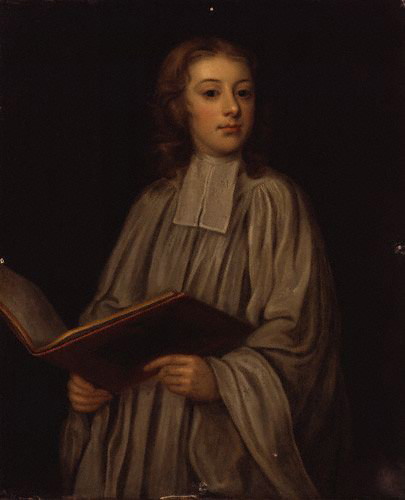
William Croft
Restoration sound
After the Restoration, the musical institutions of court, chapel and theatre were rebuilt. Blow and Purcell wrote keyboard music within a broader world of stage and sacred music, while the voluntary developed as a flexible form for organists.
England · chapter III
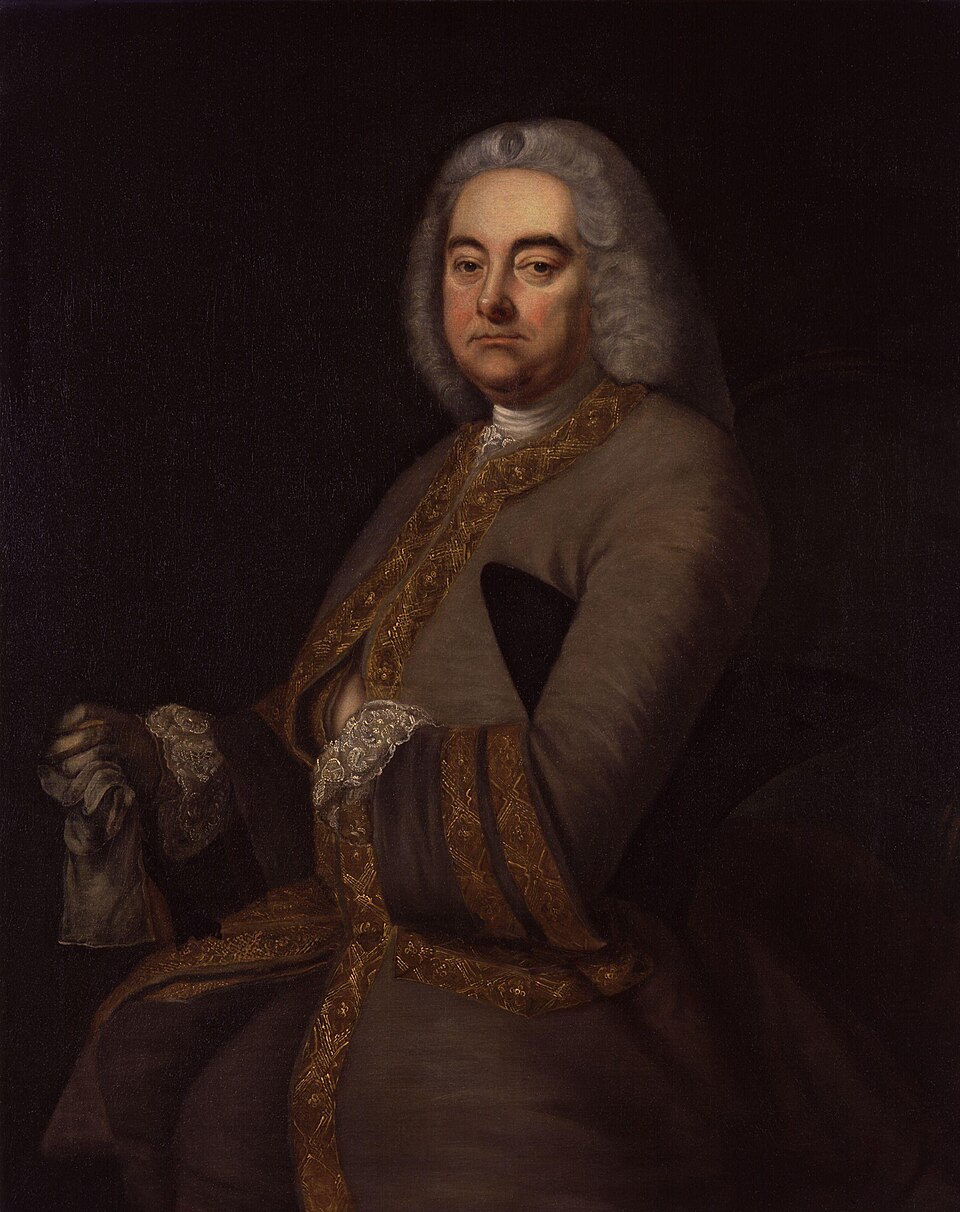
George Frideric Handel
The organ meets its public
Organs increasingly sounded beyond the liturgy—in concert rooms, gardens and charitable institutions. John Stanley's voluntaries belong to this public culture and preserve the contrast between a slow opening and a more animated second movement.
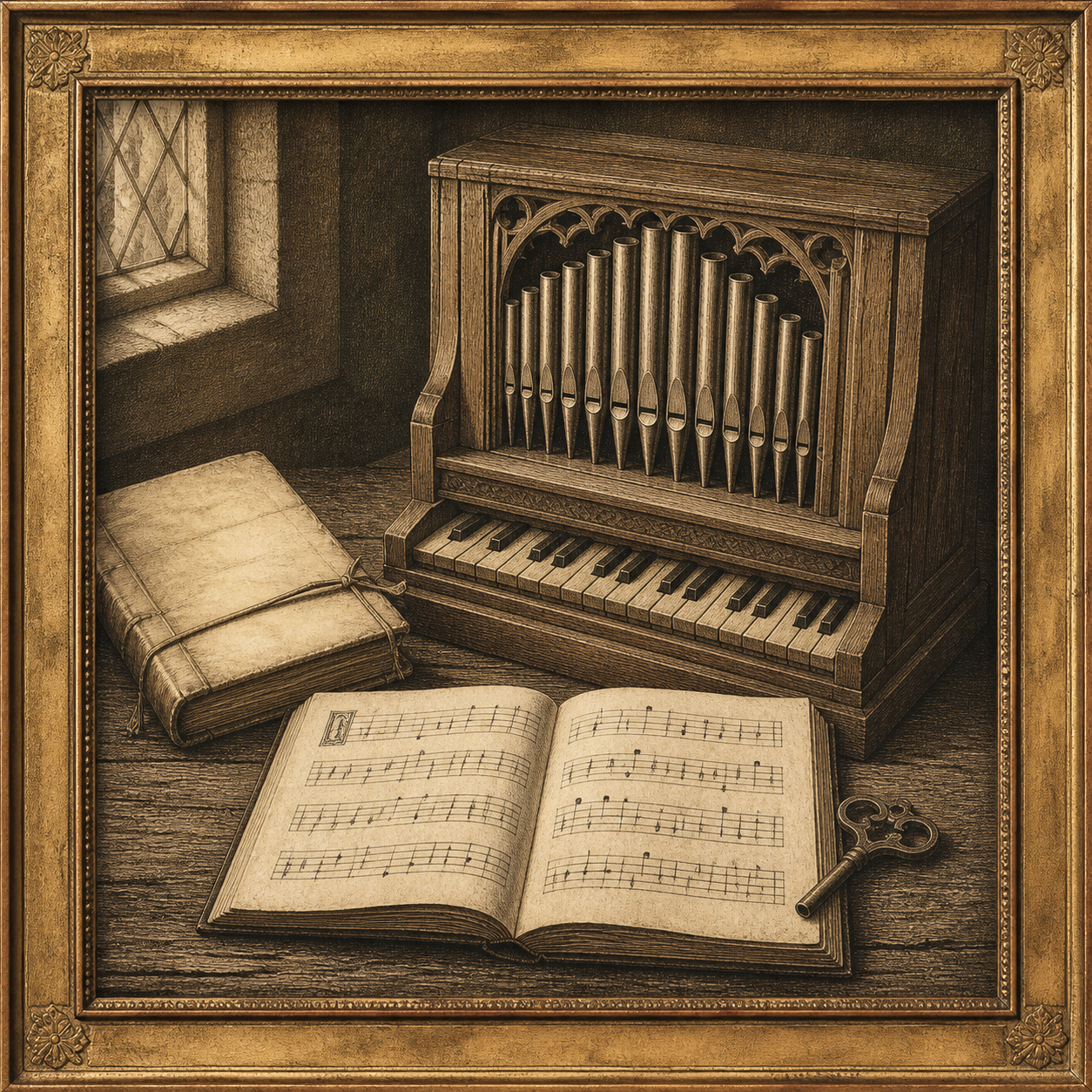
Iberia · chapter I
Antonio de Cabezón
The art of diferencias
Antonio de Cabezón made variation technique, contrapuntal invention and keyboard touch inseparable. His diferencias transform familiar material without losing its outline, while his liturgical pieces show a player working within a European sacred tradition.
Iberia · chapter III
Carlos Seixas
Portugal and the eighteenth-century sonata
Manuel Rodrigues Coelho's printed collection is a landmark of Portuguese keyboard music. A century later, Carlos Seixas and Antonio Soler placed Iberian keyboard writing within the international history of the sonata—without erasing its local rhythmic and instrumental character.
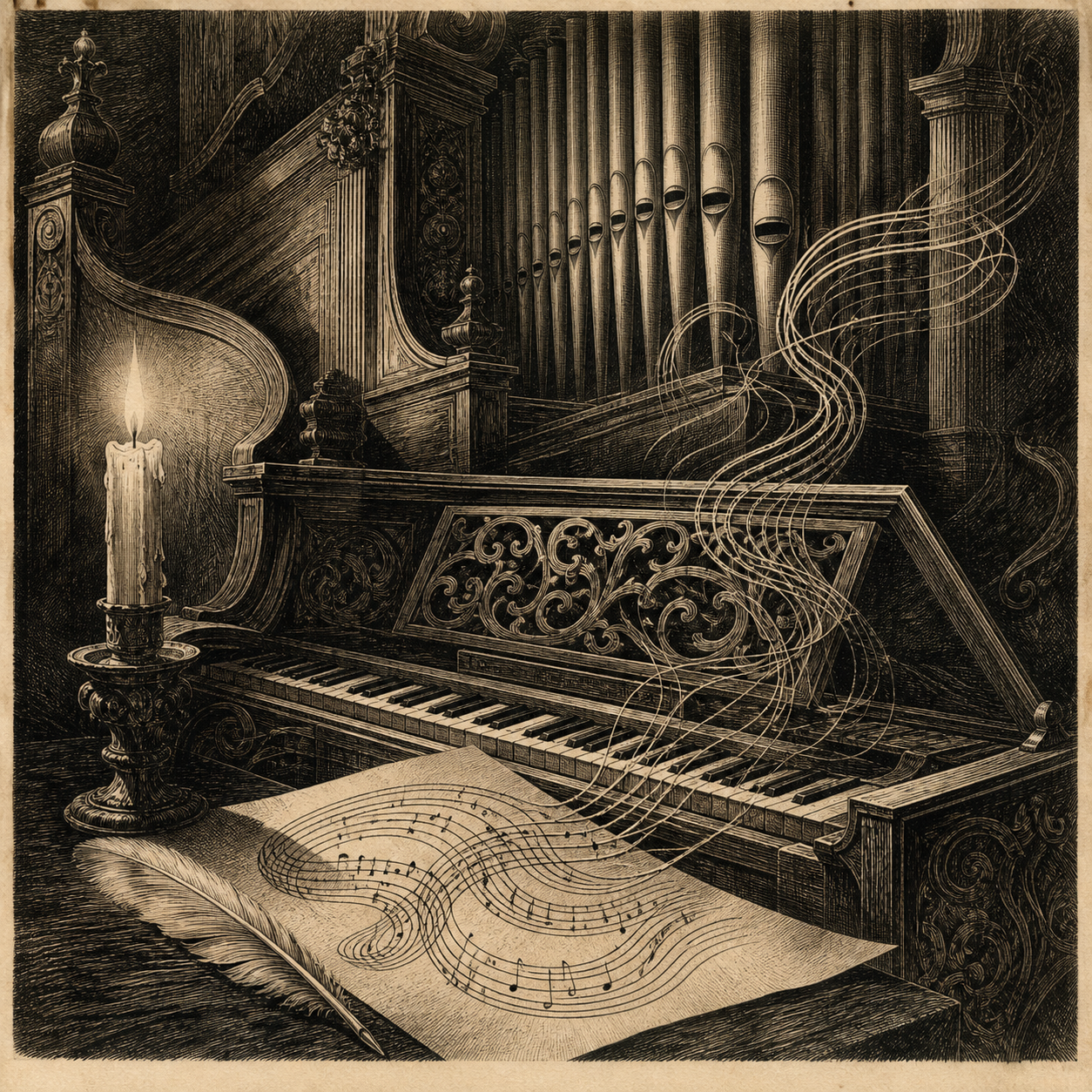
Iberia · chapter II
Pablo Bruna
The tiento and the divided keyboard
The tiento could be rigorous, exploratory and intensely idiomatic. Correa de Arauxo and Cabanilles exploited counterpoint and the colours of Iberian organs, including textures associated with divided stops, where treble and bass could receive contrasting registrations.
The Low Countries · chapter I
Peeter Cornet
Antwerp and the travelling musician
The region's presses and trading networks helped music circulate. Peter Philips lived much of his career abroad, while Peeter Cornet served the Brussels court; their keyboard writing belongs to a cosmopolitan culture rather than a closed national school.
The Low Countries · chapter II
Anthoni van Noordt
Sweelinck at the Oude Kerk
Jan Pieterszoon Sweelinck spent his working life at Amsterdam's Oude Kerk. His fantasias, echo pieces, variations and teaching joined vocal counterpoint to keyboard virtuosity, making Amsterdam a destination for young organists from the German lands.
The Low Countries · chapter III
Heinrich Scheidemann
A school crosses the border
Sweelinck's influence is clearest in the work of pupils and successors such as Scheidemann and Scheidt. Reincken carried the northern tradition forward in Hamburg. This final room deliberately crosses modern borders: the history travelled with teachers and players.
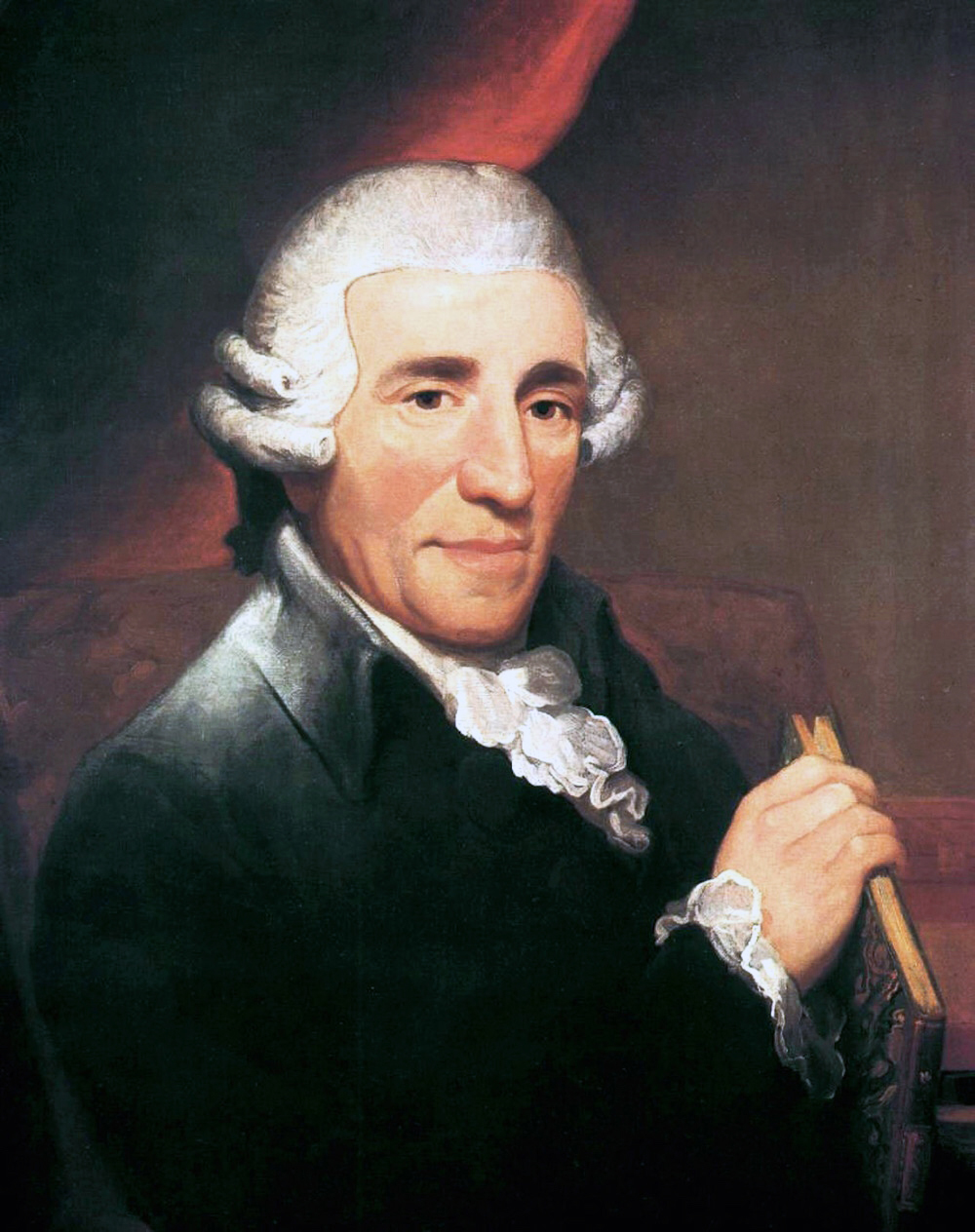
Austria · chapter I
Joseph Haydn
Salzburg and the Esterházy world
Mozart's Salzburg childhood joined court service, cathedral music and public display at the keyboard. Haydn's long service to the Esterházy family placed him in another courtly system, yet his keyboard sonatas travelled far beyond it. Together they show the instrument moving between private study, aristocratic chamber music and the public concert.
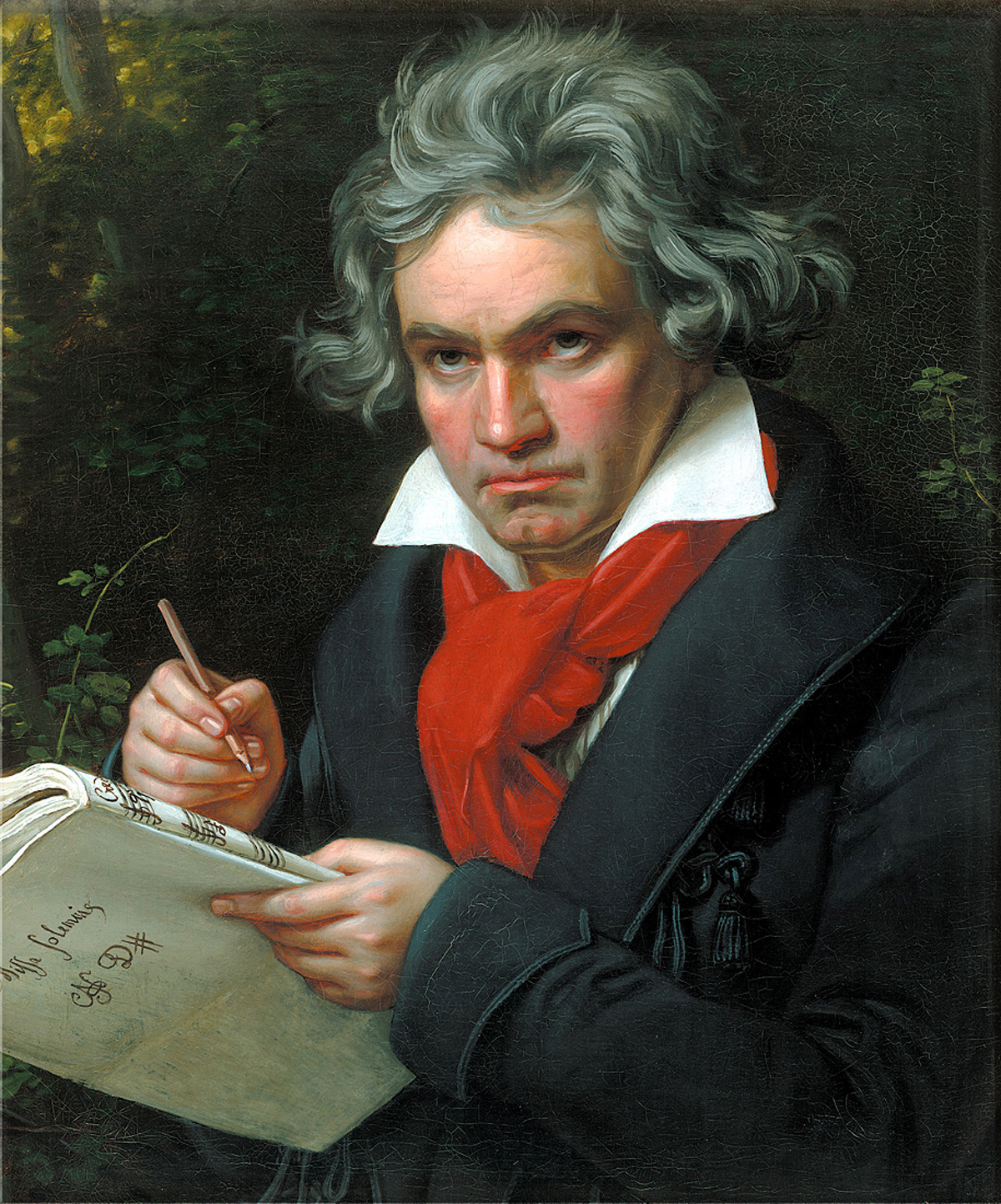
Austria · chapter II
Ludwig van Beethoven
Vienna becomes a musical capital
Beethoven arrived from Bonn and made Vienna the testing ground for a new scale of pianistic thought. Schubert, born in the city, wrote for domestic music-making as well as the concert imagination. Their keyboard works turn the sonata, variation and character piece into sharply different kinds of musical narrative.
Austria · chapter III
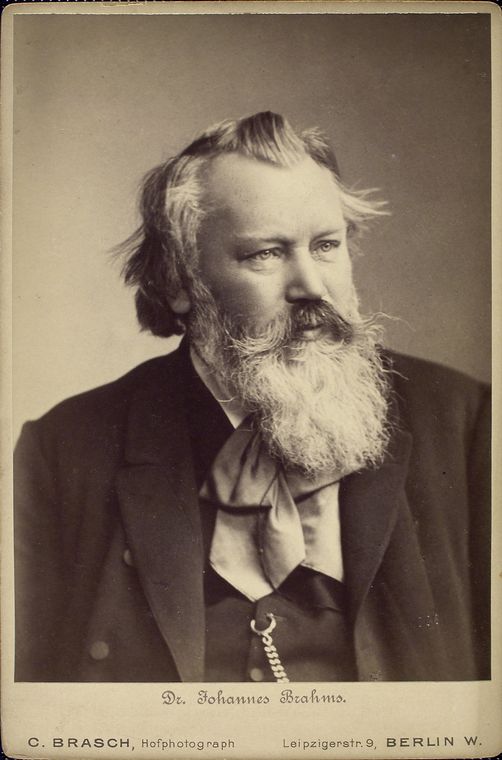
Johannes Brahms
The studio and the concert tradition
Czerny's teaching links Beethoven's Vienna to Liszt and to generations of technical study. Brahms, born in Hamburg but settled in Vienna, made the city a home for historically conscious Romantic keyboard writing. The route ends where pedagogy, publishing and concert culture became inseparable.
Poland · chapter I
Maria Agata Szymanowska
Warsaw before Chopin
Maria Szymanowska built an international career as pianist and composer while the public culture of the keyboard was still taking shape. Karol Kurpiński directed Warsaw's National Theatre and belonged to the musical world that trained and encouraged the young Chopin.
Poland · chapter II
Frédéric Chopin
Żelazowa Wola and Warsaw
Chopin was born at Żelazowa Wola and educated in Warsaw. Mazurkas and polonaises did not function as picturesque labels pasted onto an international style: their accents, phrase shapes and social associations became structural parts of his musical thinking.
Poland · chapter III
Frédéric Chopin
A Polish voice in Paris
In Paris, Chopin wrote for the modern piano and an international audience while preserving an intensely recognisable musical language. The nocturnes, études, preludes and dances turn touch, pedalling and ornament into composition itself; the Polish journey therefore ends abroad without ceasing to be Polish.

Czech Lands & Hungary · chapter I
Bohuslav Matěj Černohorský
The Bohemian organ line
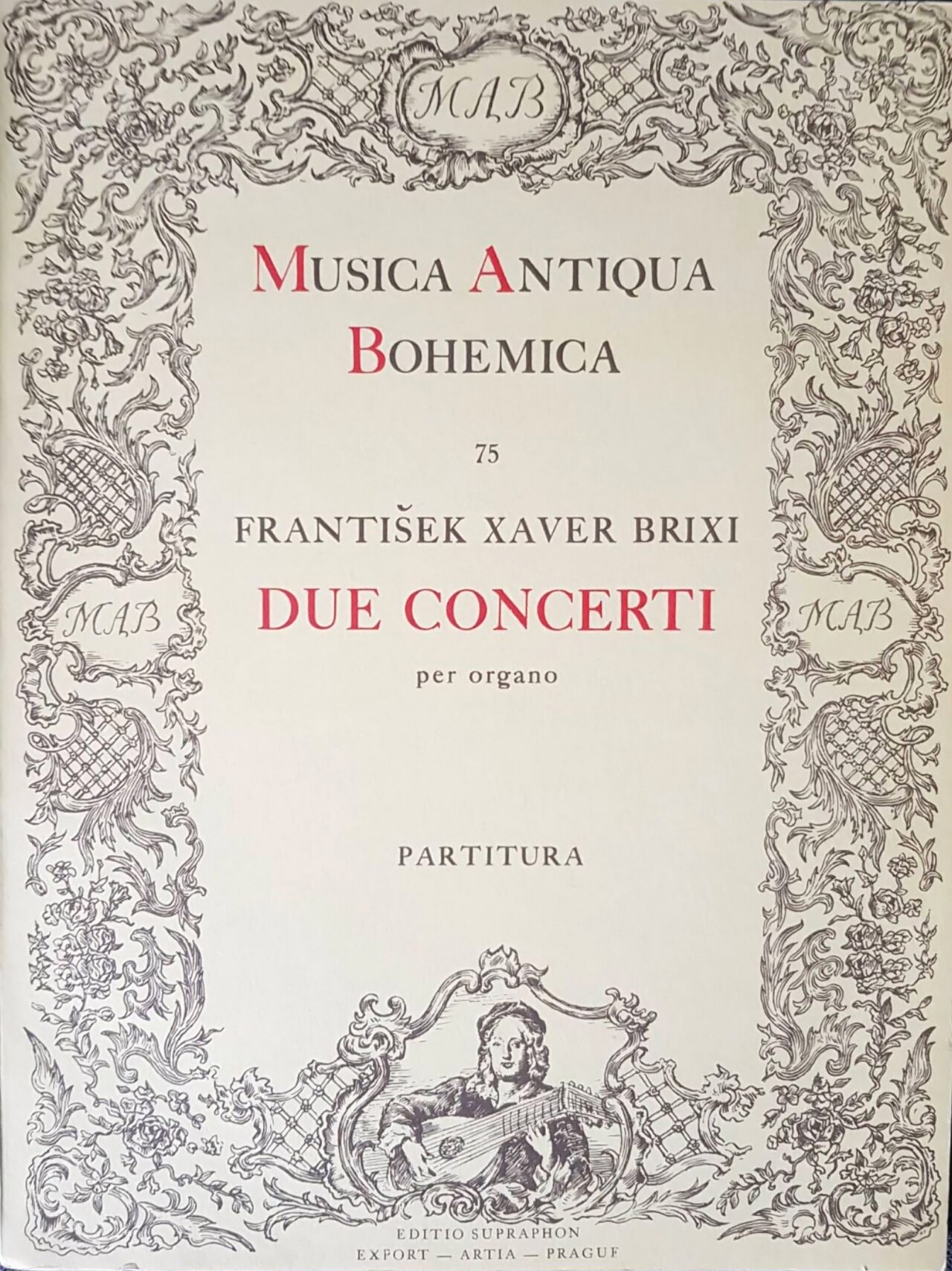
A title leaf can be a map of transmission: Brixi's organ concertos outlived the services and players for which they were copied, becoming portable repertory rather than a memory tied to one Prague loft. The Czech Museum of Music now preserves manuscripts, prints, instruments and sound documents on this scale—more than 700,000 records of musical life.
Czech Lands & Hungary · chapter III
Franz Liszt
Liszt and the public instrument
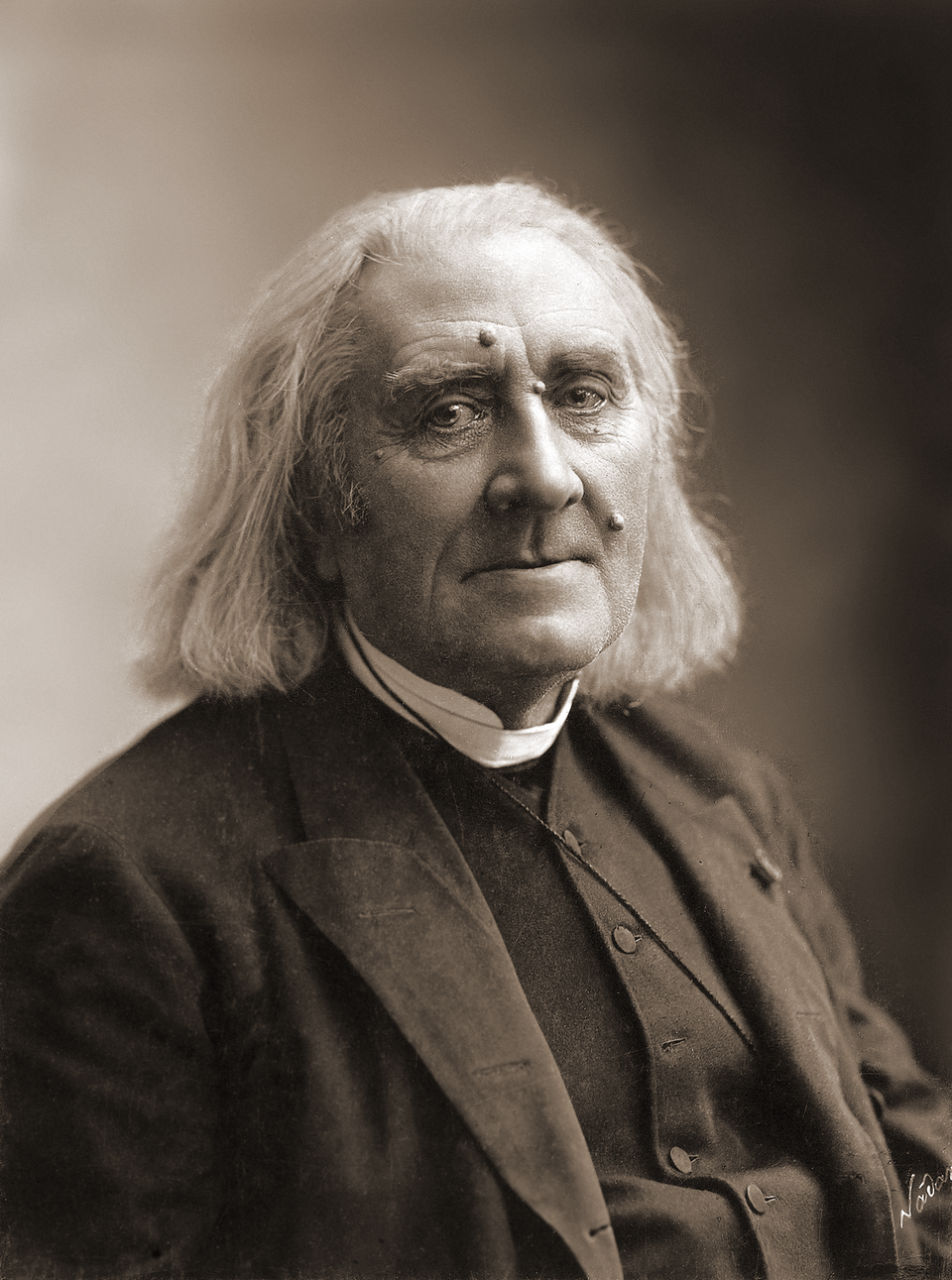
Liszt's career crossed borders from childhood, but his Hungarian identity remained a public and compositional force. He made the piano capable of suggesting orchestra, organ, theatre and confessional solitude, then used his fame to teach and promote other musicians.
Czech Lands & Hungary · chapter II
Bedřich Smetana
Bohemia at the keyboard
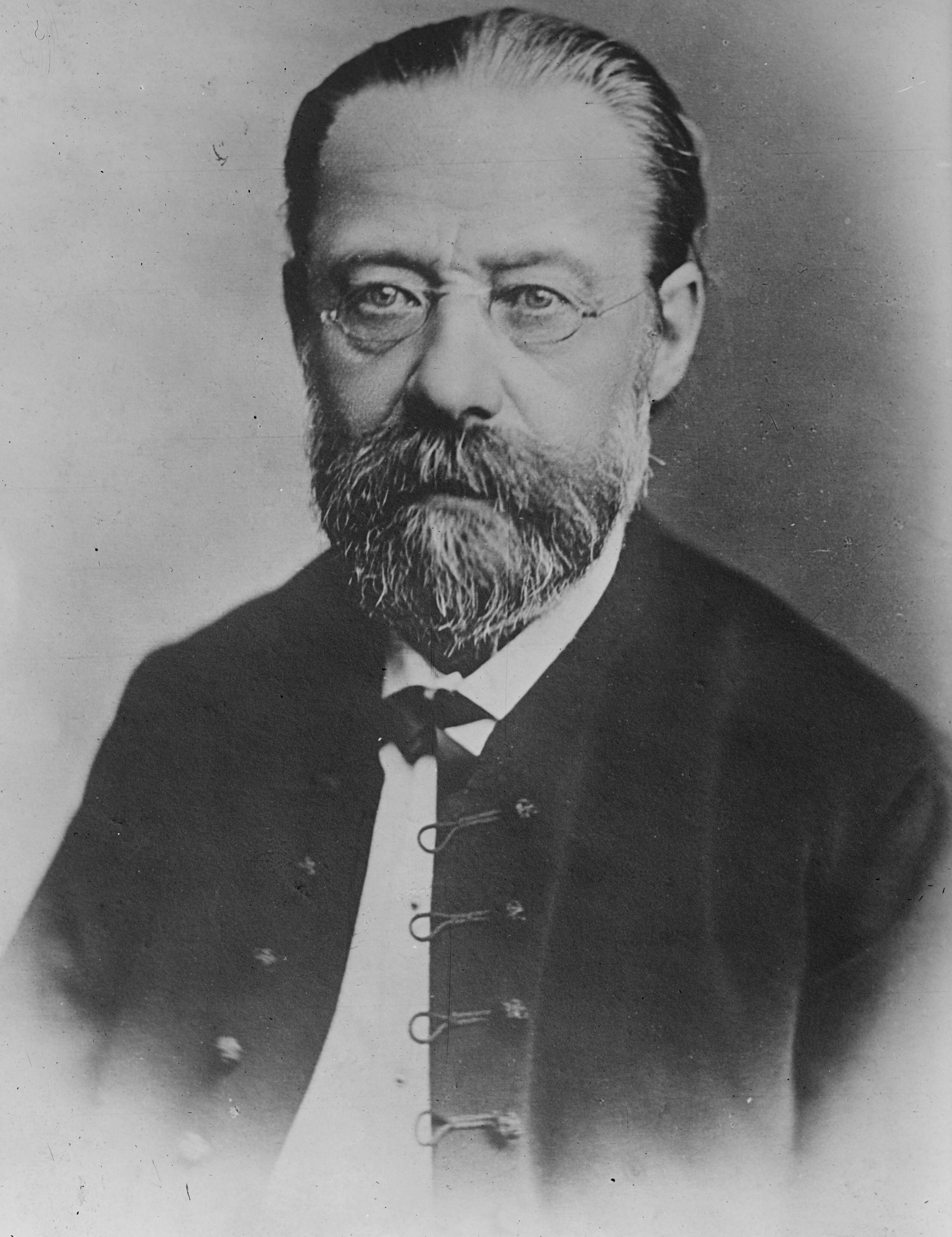
Smetana, born at Litomyšl and active in Prague, is remembered above all for opera and orchestral music, but his piano writing carries the same union of Czech cultural ambition and European Romantic technique. These scores restore the keyboard to that larger story.
Czech Lands & Hungary · chapter IV
Béla Bartók
Bartók listens outward
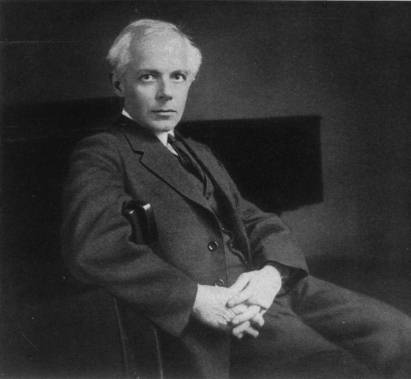
Bartók joined the pianist's exacting craft to systematic listening beyond the concert hall. Folk-music research did not supply decorative quotations; it changed his understanding of rhythm, mode, phrase and form. His keyboard music makes the journey from Romantic virtuosity into modernism audible.
_-_Portrait_of_Bonifacius_Amerbach.jpg)
Switzerland · chapter I
Hans Kotter
Tablature: Basel, Fribourg and the Bodensee
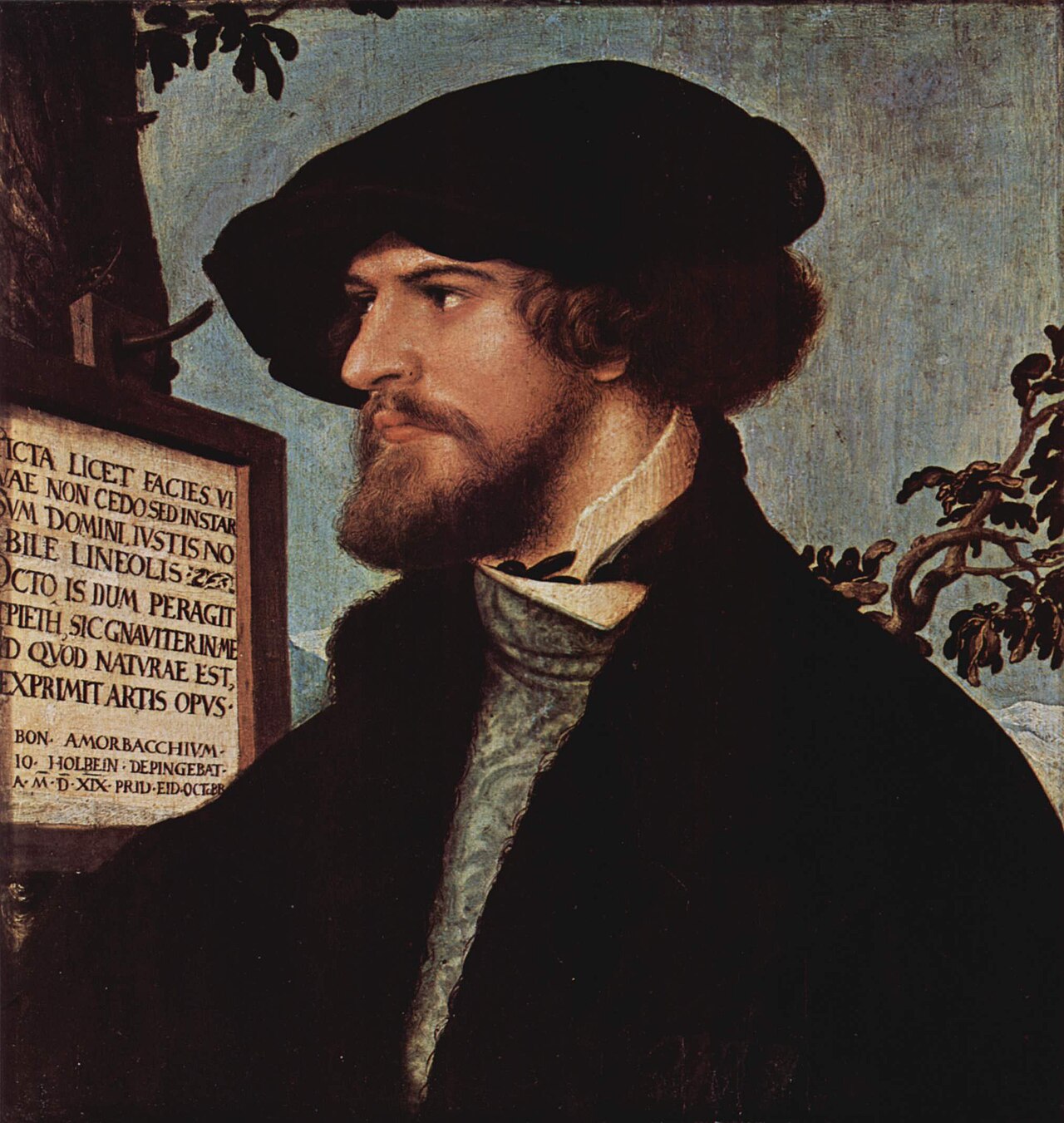
Bonifacius Amerbach was not a court musician but a jurist, humanist and serious amateur player. Hans Holbein painted him at twenty-four, the same collector for whom Hans Kotter copied three keyboard books. Amerbach's manuscripts entered the University Library; his family's art cabinet became the nucleus of Basel's public museum collection.
Switzerland · chapter II
Charles Samuel Bovy-Lysberg
The Swiss piano: Geneva and Lachen
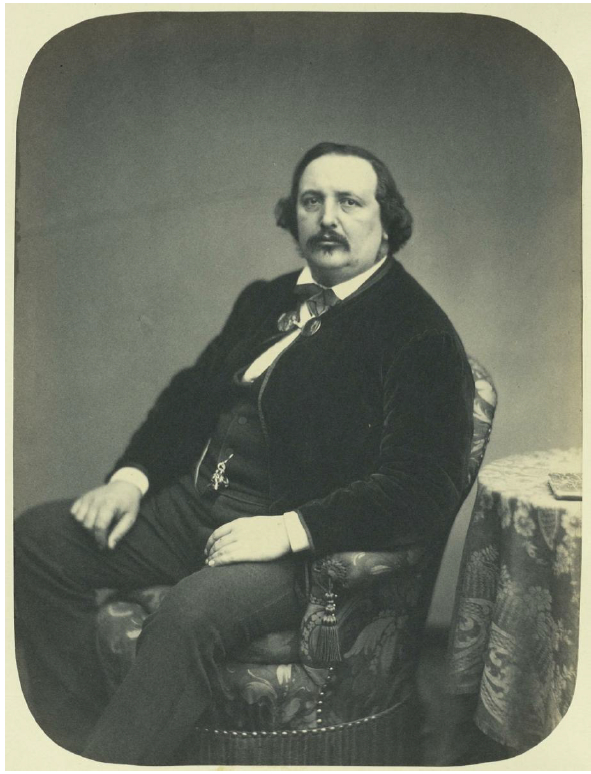
By the nineteenth century the Swiss keyboard is domestic and civic rather than liturgical. Charles Samuel Bovy-Lysberg, born near Geneva in 1821, studied in Paris with Chopin from 1835, settled again near Geneva in 1848 and taught at the Geneva conservatory; his short character pieces were written for the drawing rooms and pupils of the city. Joachim Raff, born at Lachen on Lake Zurich in 1822, went the other way, into Germany, to Liszt at Weimar and finally to the direction of the Hoch Conservatory in Frankfurt; his piano writing is denser, more contrapuntal, and aimed at the concert room.

Switzerland · chapter III
Arthur Honegger
Saint-Pierre and after
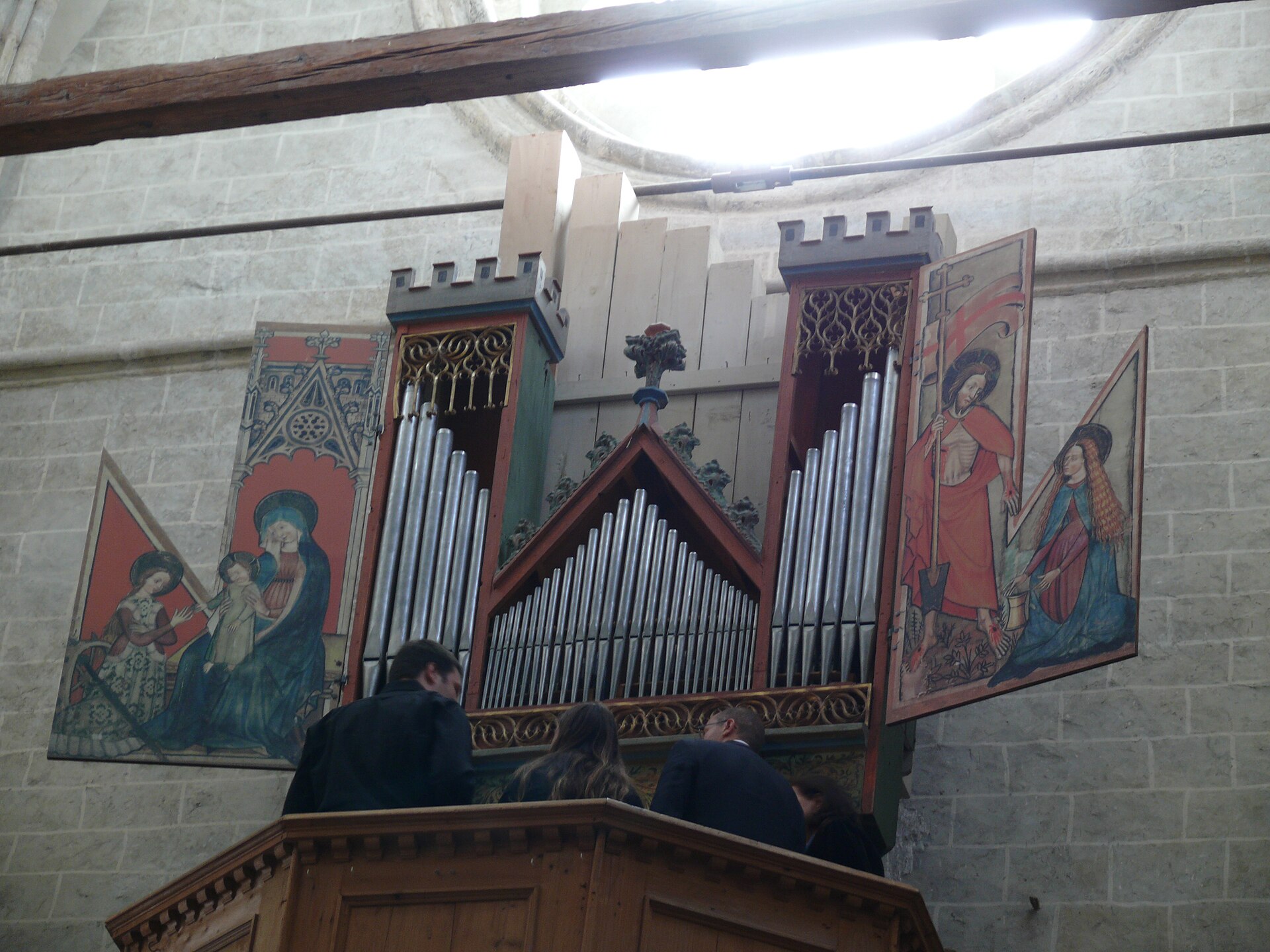
The Valère organ is not an untouched time capsule: its case and early pipework survived while builders repeatedly adapted it, notably Christofer Aebi in 1687. That layered history is the marvel. It remains playable high above Sion and anchors a festival devoted to the oldest organ repertories.
Scandinavia · chapter I
Hans Matthison-Hansen
The Copenhagen Circuit
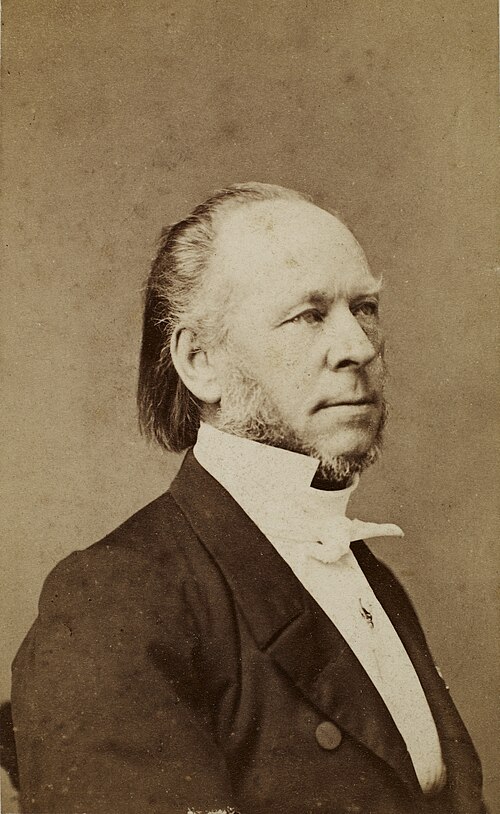
Copenhagen's church lofts and its conservatory formed one circuit. J.P.E. Hartmann moved from Garnisons Kirke to the cathedral, Vor Frue Kirke, in 1843; Niels W. Gade, after Leipzig years beside Mendelssohn at the Gewandhaus, became organist of Holmens Kirke in 1858 and guided the conservatory founded in 1867. At Roskilde, Hans Matthison-Hansen served the old cathedral organ from 1832. His son Gottfred taught organ in Copenhagen and, as organist of Trinitatis from 1881, gave the recital series that introduced new French and German organ music there; Krygell studied with him, while Malling, a pupil of Gade and Hartmann, became cathedral organist in 1900.
Scandinavia · chapter II
Edvard Grieg
Bergen and Stockholm
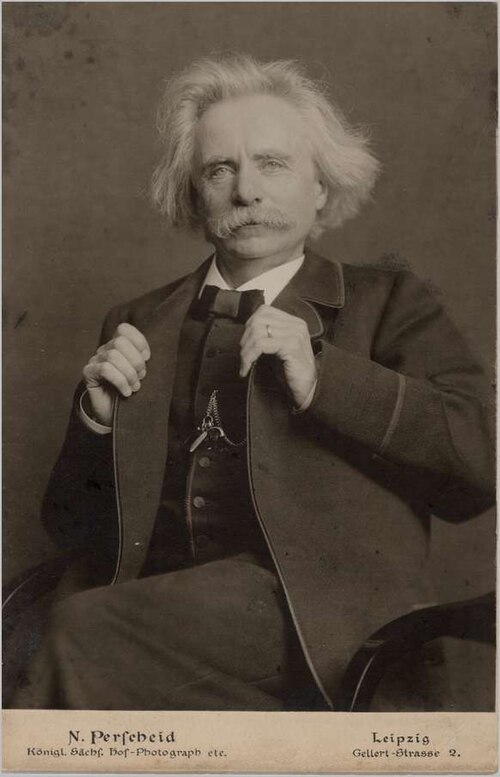
Away from Copenhagen the idiom turned towards landscape and song. Edvard Grieg, Leipzig-trained and briefly drawn into Gade's Copenhagen circle, settled at Bergen, conducted Harmonien in the early 1880s, and built a piano style from Norwegian dance rhythms and modal turns. In Stockholm, Emil Sjögren, organist of S:t Johannes from the early 1890s, wrote songs and violin sonatas of French leaning and was admired for his improvising. Oskar Lindberg, first organist of the new Engelbrekt church from 1914 until his death in 1955, worked close to hymn tune and liturgy.
Scandinavia · chapter III
Oskar Merikanto
The Finnish Awakening
In Finland church music became public music. Oskar Merikanto, trained in Leipzig and Berlin, was organist of St John's Church in Helsinki, toured as a recitalist, wrote many solo songs, and in Pohjan neiti, composed in 1898 and first staged at Viipuri in 1908, wrote the first opera to a Finnish text; his organ pieces stayed in wide parish use. Toivo Kuula, Sibelius's first composition pupil and later a student in Bologna, Leipzig and Paris, worked from Ostrobothnian folk material before he was shot in Viipuri in 1918, aged thirty-four.
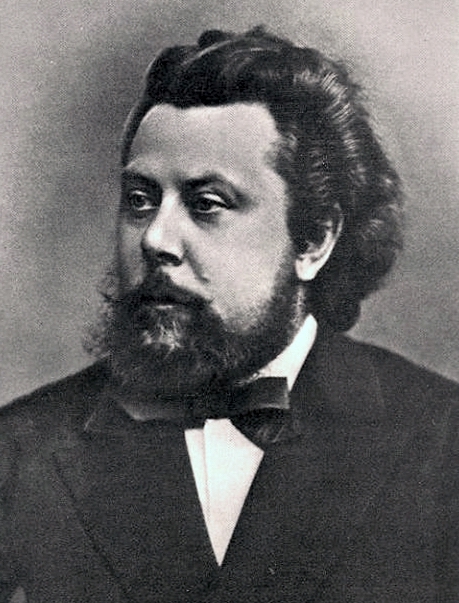
Russia · chapter I
Modest Mussorgsky
The Conservatory and the Circle
Anton Rubinstein opened the St Petersburg Conservatory in 1862, the first institution in Russia to train musicians professionally; Tchaikovsky enrolled in its first intake and graduated in 1865. Against it stood the circle around Balakirev, which argued for a national manner learned outside the academy: Cui, a military engineer by profession, wrote fastidious salon pieces, while Mussorgsky built piano textures from speech rhythm, modal inflection and blunt parallel writing. Lyapunov, close to Balakirev, pursued a demanding transcendental keyboard style. Glazunov, trained privately by Rimsky-Korsakov, joined the faculty in 1899 and directed the school from 1905.
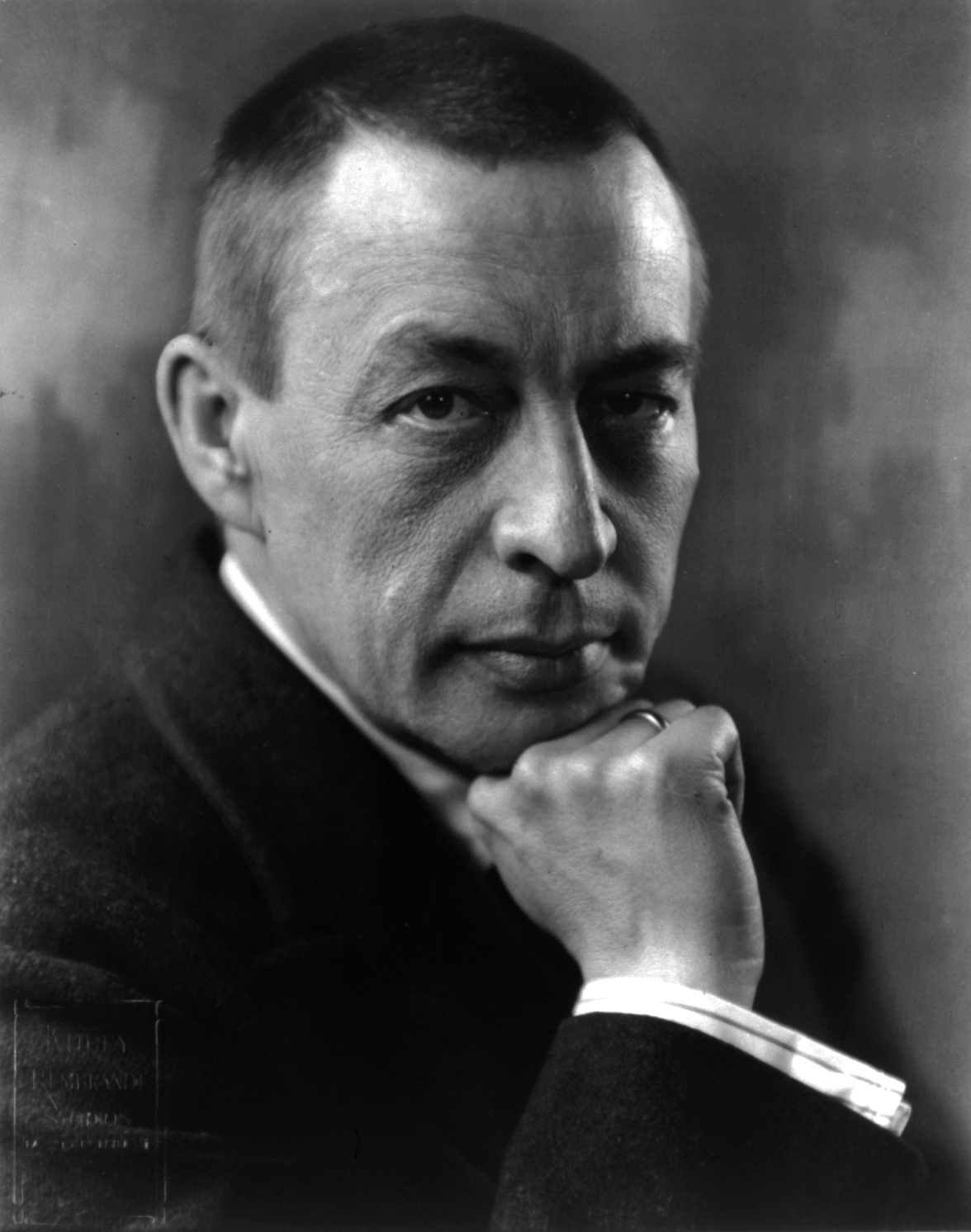
Russia · chapter II
Sergei Rachmaninoff
The Moscow School
Nikolai Rubinstein founded the Moscow Conservatory in 1866 and brought Tchaikovsky from Petersburg to teach harmony, which he did until 1878; from the mid-1880s he worked in the Klin district north-west of the city, settling in 1892 in the house that is now his museum. A generation later Zverev prepared the pianists who filled its classes: Rachmaninoff, who boarded with Zverev and then studied under Siloti, writes wide-spanned, chordal, orchestral textures; Scriabin, a day pupil of Zverev and then of Safonov, worked inward from Chopin towards a compressed, intensely chromatic idiom. Medtner left Safonov's class in 1900.
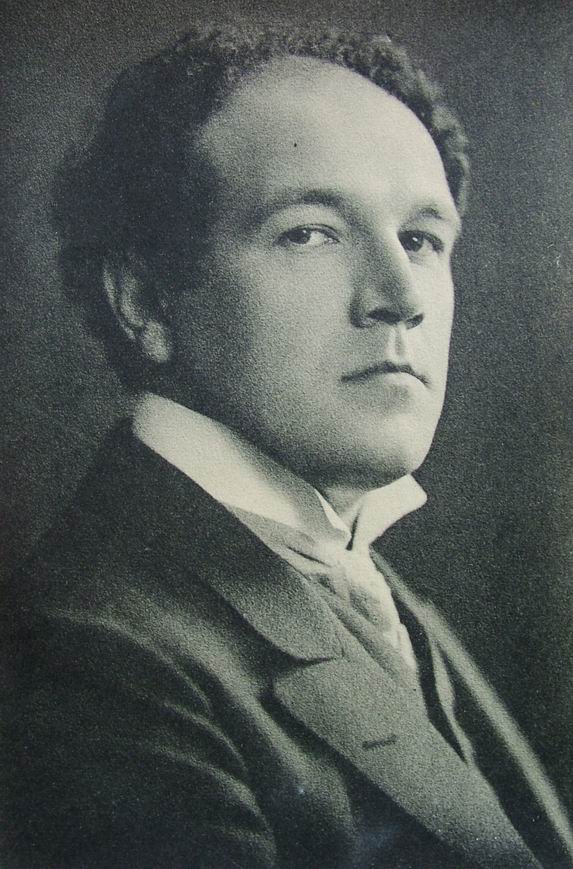
Russia · chapter III
Nikolay Medtner
Departures
Rachmaninoff left Petrograd in December 1917, crossed to Scandinavia and reached New York in 1918; he never returned. Concert tours displaced composition, and the emigration works are few, written in concentrated spells between seasons. Medtner left in 1921, living in Berlin, then France, then London from 1935 until his death in 1951, continuing the sonatas and skazki he had begun in Moscow. Scriabin saw none of this: his late harmony, which replaced key signatures with fixed chordal sonorities, ended with his death in Moscow in April 1915.