Musical Europe · St Petersburg · Klin · Moscow
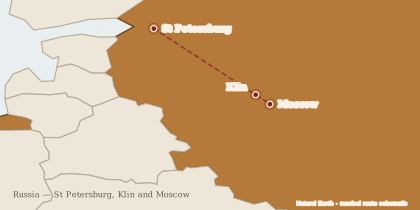
Between the two capitals
From the Rubinstein conservatories to the keyboard music of emigration
The Orthodox liturgy admits only the unaccompanied voice, so the organ never entered Russian Orthodox worship and no native liturgical repertoire grew around it; the instruments that stood in the empire belonged to its Lutheran and Catholic congregations. Composers wrote for it sparingly: Glazunov's three organ works, of 1906-07, 1914 and the mid-1930s, are among the few by a figure in this room. The dominant keyboard instrument was the piano, made in St Petersburg from 1810 and in quantity from the 1840s.
8 linked composers · 201 playable or downloadable scores
Composers through time
Half-century groups use the midpoint of each composer's recorded lifespan as an orientation, not a composition date. Within each group: earliest birth first.
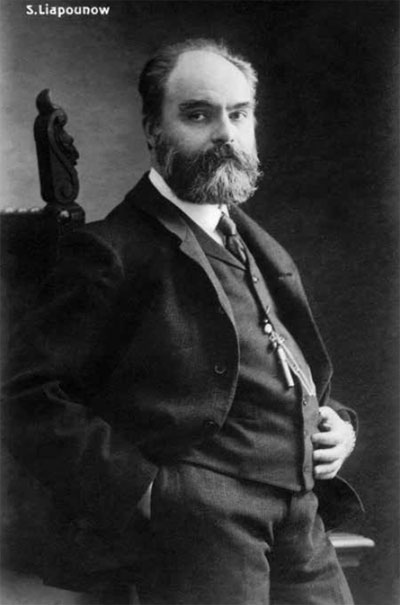
1850–1899
1900–1949
Stories, places & programmes
Open a chapter to follow the story or play a short programme.
The Conservatory and the Circle · St Petersburg
St Petersburg
The Conservatory and the Circle
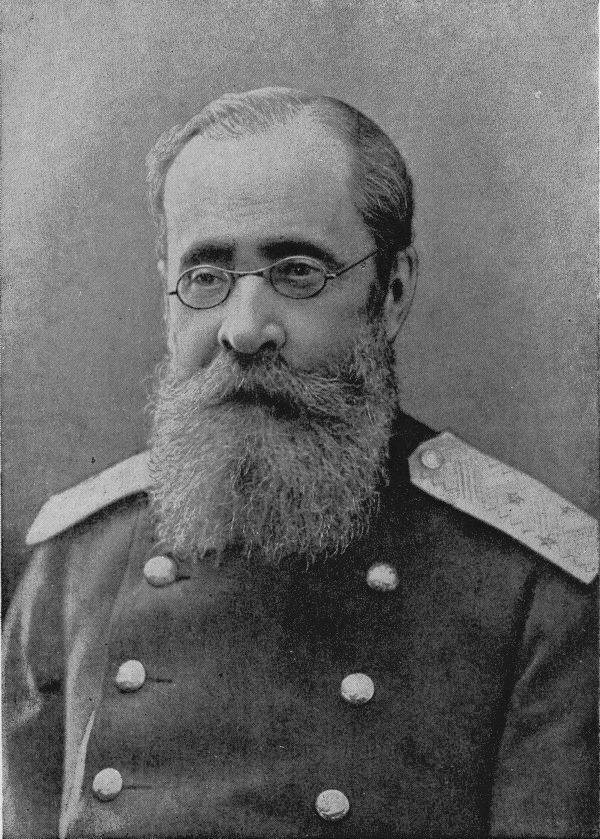
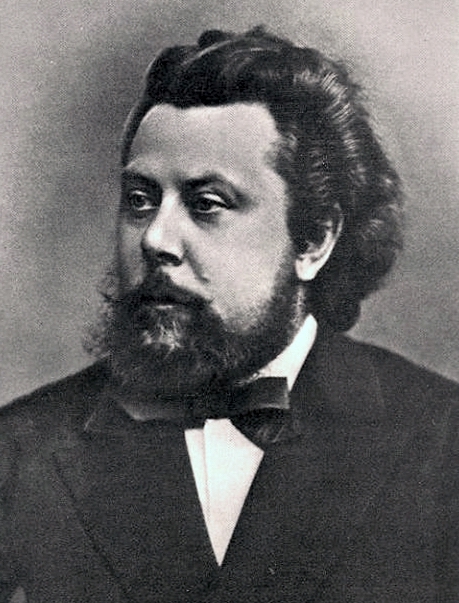
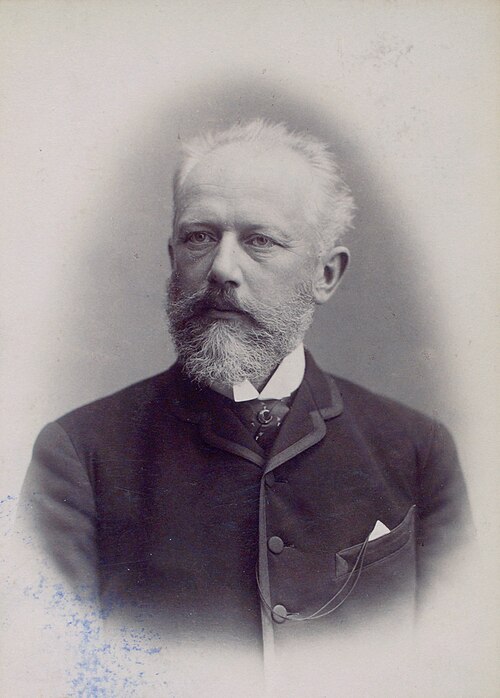
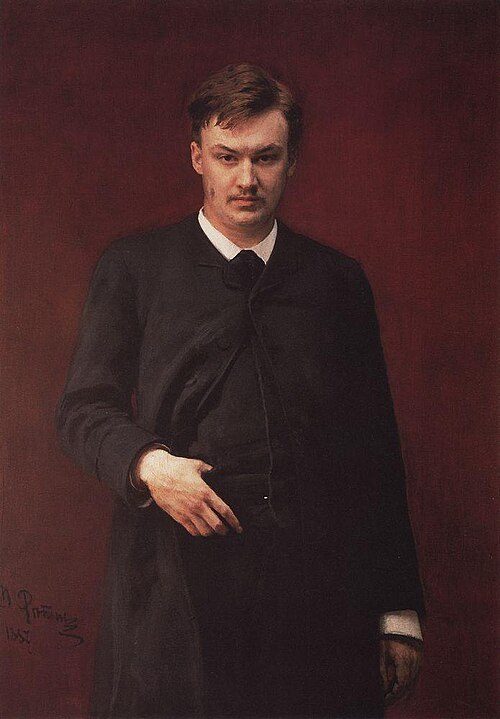
Anton Rubinstein opened the St Petersburg Conservatory in 1862, the first institution in Russia to train musicians professionally; Tchaikovsky enrolled in its first intake and graduated in 1865. Against it stood the circle around Balakirev, which argued for a national manner learned outside the academy: Cui, a military engineer by profession, wrote fastidious salon pieces, while Mussorgsky built piano textures from speech rhythm, modal inflection and blunt parallel writing. Lyapunov, close to Balakirev, pursued a demanding transcendental keyboard style. Glazunov, trained privately by Rimsky-Korsakov, joined the faculty in 1899 and directed the school from 1905.
Play this room5 scores chosen as a miniature recitalThe Moscow School · Moscow, and Klin on the road between the capitals
Moscow, and Klin on the road between the capitals
The Moscow School
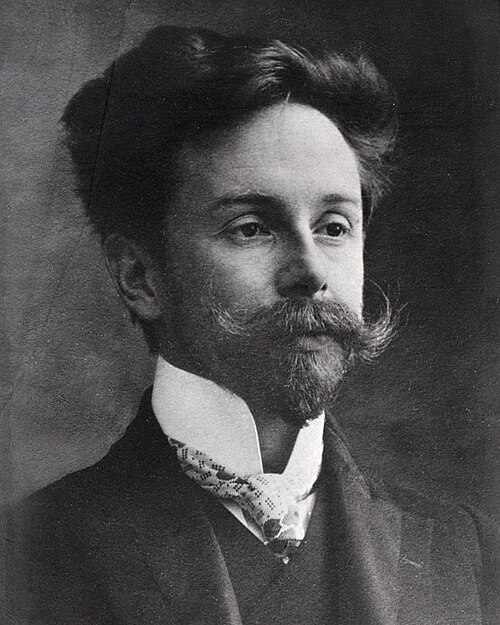
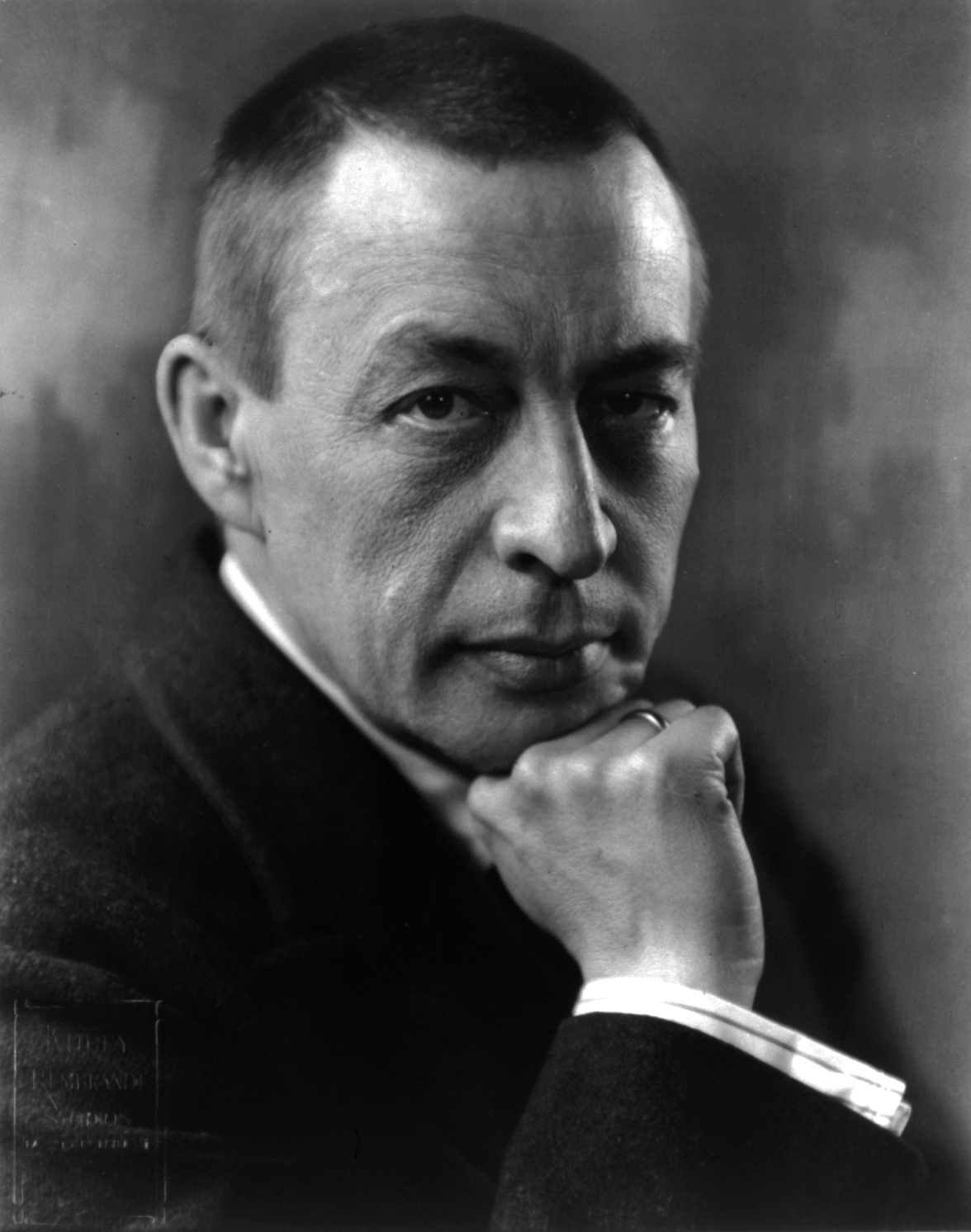
Nikolai Rubinstein founded the Moscow Conservatory in 1866 and brought Tchaikovsky from Petersburg to teach harmony, which he did until 1878; from the mid-1880s he worked in the Klin district north-west of the city, settling in 1892 in the house that is now his museum. A generation later Zverev prepared the pianists who filled its classes: Rachmaninoff, who boarded with Zverev and then studied under Siloti, writes wide-spanned, chordal, orchestral textures; Scriabin, a day pupil of Zverev and then of Safonov, worked inward from Chopin towards a compressed, intensely chromatic idiom. Medtner left Safonov's class in 1900.
Play this room4 scores chosen as a miniature recitalDepartures · Moscow, and the emigration: Stockholm, New York, London
Moscow, and the emigration: Stockholm, New York, London
Departures
Rachmaninoff left Petrograd in December 1917, crossed to Scandinavia and reached New York in 1918; he never returned. Concert tours displaced composition, and the emigration works are few, written in concentrated spells between seasons. Medtner left in 1921, living in Berlin, then France, then London from 1935 until his death in 1951, continuing the sonatas and skazki he had begun in Moscow. Scriabin saw none of this: his late harmony, which replaced key signatures with fixed chordal sonorities, ended with his death in Moscow in April 1915.
Play this room3 scores chosen as a miniature recitalThe instrument room · builders and surviving instruments
The objects behind the music
The Orthodox liturgy admits only the unaccompanied voice, so the organ never entered Russian Orthodox worship and no native liturgical repertoire grew around it; the instruments that stood in the empire belonged to its Lutheran and Catholic congregations. Composers wrote for it sparingly: Glazunov's three organ works, of 1906-07, 1914 and the mid-1930s, are among the few by a figure in this room. The dominant keyboard instrument was the piano, made in St Petersburg from 1810 and in quantity from the 1840s.
Moscow, 1899-1901
A French organ in a Russian hall
St Petersburg, 1810-1917
The Petersburg piano trade
Continue into the archives
Find an instrument or builder
External registers are linked for research; their text and photographs are not copied here. Instrument records change as restorations and scholarship advance.