Musical Europe · Prague · Litomyšl · Raiding · Budapest
Loft, nation and fieldwork
From the Bohemian organ school to Liszt's stage and Bartók's phonograph
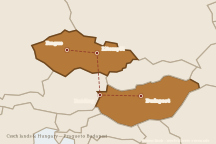
Across the Czech lands and Hungary, keyboard history begins well before nineteenth-century nationalism. Monastery and parish lofts sustained contrapuntal craft; the conservatory and concert platform enlarged it; later, folk-song collection turned listening itself into composition. The route runs from Prague and the organists of Bohemia to Liszt's public piano and Bartók's fieldwork.
7 linked composers · 391 playable or downloadable scores
Composers through time
Half-century groups use the midpoint of each composer's recorded lifespan as an orientation, not a composition date. Within each group: earliest birth first.
1700–1749
1750–1799
1800–1849
1850–1899
1900–1949
Stories, places & programmes
Open a chapter to follow the story or play a short programme.
The Bohemian organ line · Prague · Cítoliby · c. 1700–1900
Prague · Cítoliby · c. 1700–1900
The Bohemian organ line
Bohuslav Matěj Černohorský, a Minorite friar and organist, moved between Prague and Italy; the surviving keyboard works reveal the tightly worked counterpoint for which later writers made him a patriarch of Bohemian music. František Xaver Brixi brought a lighter, early-Classical fluency to eighteenth-century Prague. In the small town of Cítoliby, Karel Blažej Kopřiva belonged to an extraordinary local school of cantor-composers. A century later Josef Klička turned the Prague organ towards the symphonic concert fantasy, including a vast meditation on the St Wenceslas chorale.

Prague repertory · eighteenth century
Two concertos survive on paper
Liszt and the public instrument · Raiding · Pest · Weimar
Raiding · Pest · Weimar
Liszt and the public instrument
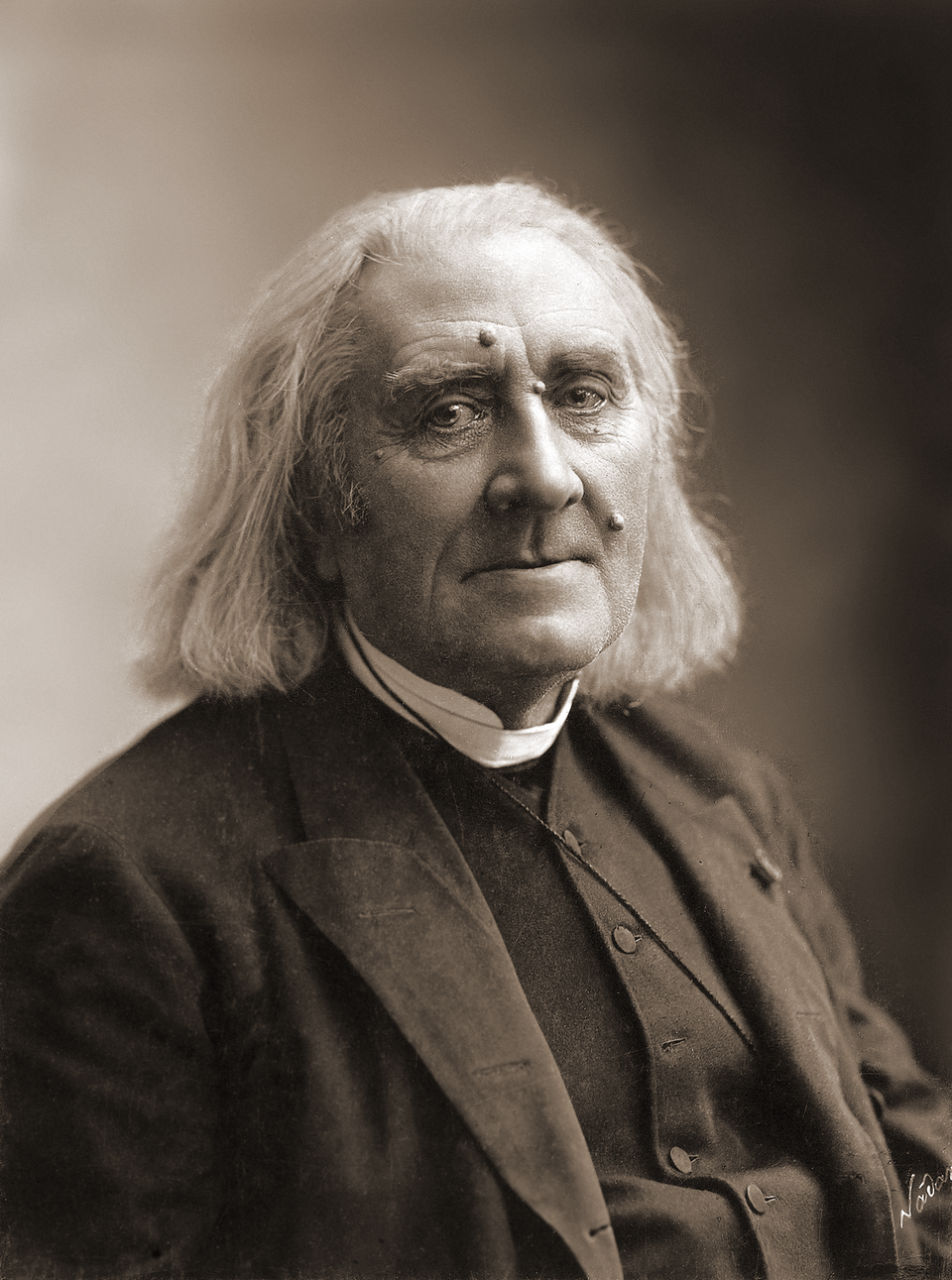
Liszt's career crossed borders from childhood, but his Hungarian identity remained a public and compositional force. He made the piano capable of suggesting orchestra, organ, theatre and confessional solitude, then used his fame to teach and promote other musicians.
Play this room3 scores chosen as a miniature recitalBohemia at the keyboard · Litomyšl · Prague · nineteenth century
Litomyšl · Prague · nineteenth century
Bohemia at the keyboard
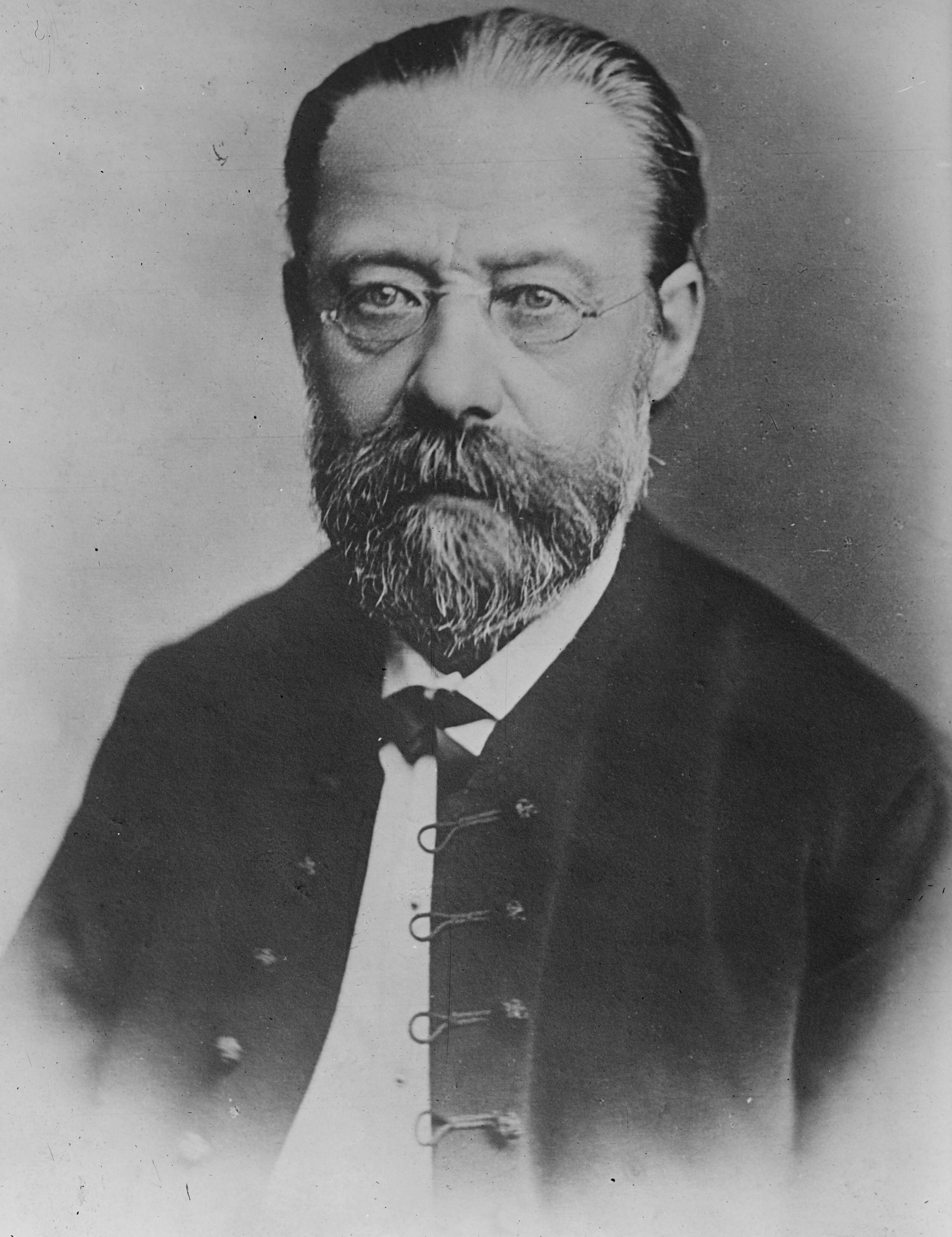
Smetana, born at Litomyšl and active in Prague, is remembered above all for opera and orchestral music, but his piano writing carries the same union of Czech cultural ambition and European Romantic technique. These scores restore the keyboard to that larger story.
Play this room1 scores chosen as a miniature recitalBartók listens outward · Budapest and the field · twentieth century
Budapest and the field · twentieth century
Bartók listens outward
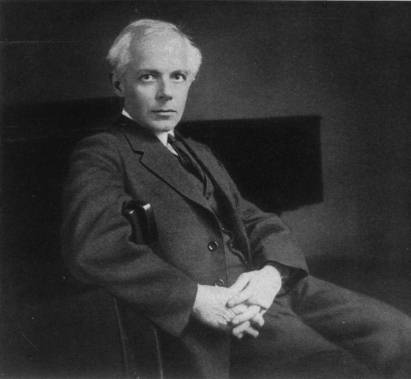
Bartók joined the pianist's exacting craft to systematic listening beyond the concert hall. Folk-music research did not supply decorative quotations; it changed his understanding of rhythm, mode, phrase and form. His keyboard music makes the journey from Romantic virtuosity into modernism audible.
Play this room3 scores chosen as a miniature recital