Musical Europe · Lübeck · Hamburg · Leipzig
Chorale, counterpoint and the Bach world
A musical language assembled from journeys north and south
The north-German and central-German schools were written for different physical worlds. Surviving organs let us compare those worlds rather than treating 'the organ' as one fixed instrument.
11 linked composers · 1609 playable or downloadable scores
Composers through time
Half-century groups use the midpoint of each composer's recorded lifespan as an orientation, not a composition date. Within each group: earliest birth first.
1600–1649
1650–1699
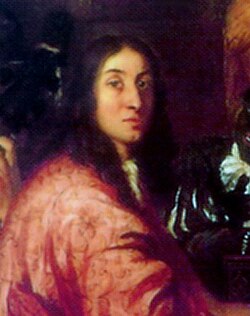
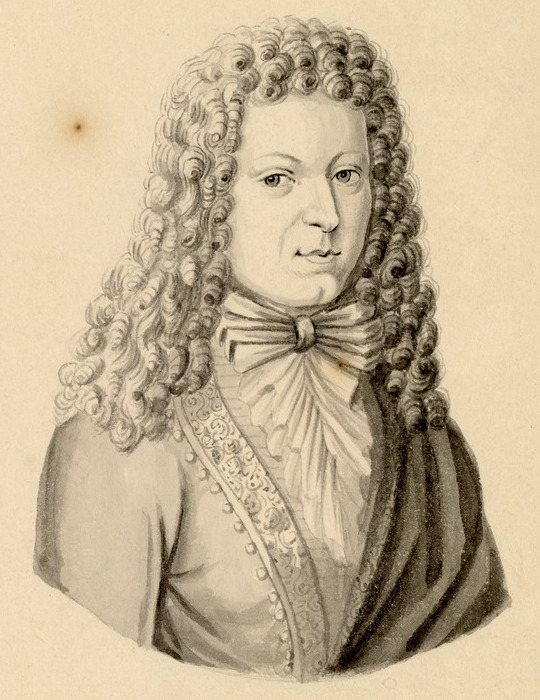
1700–1749
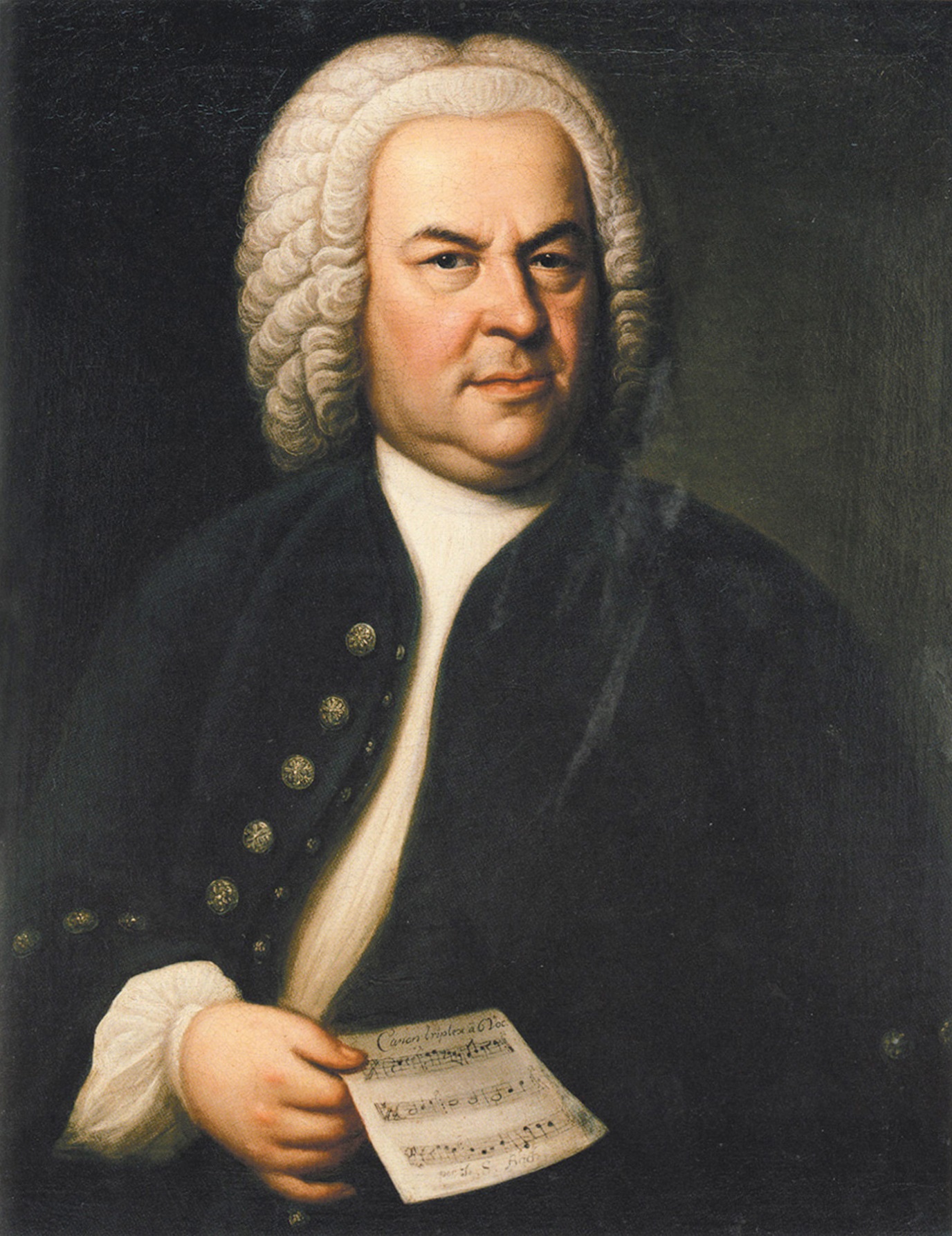
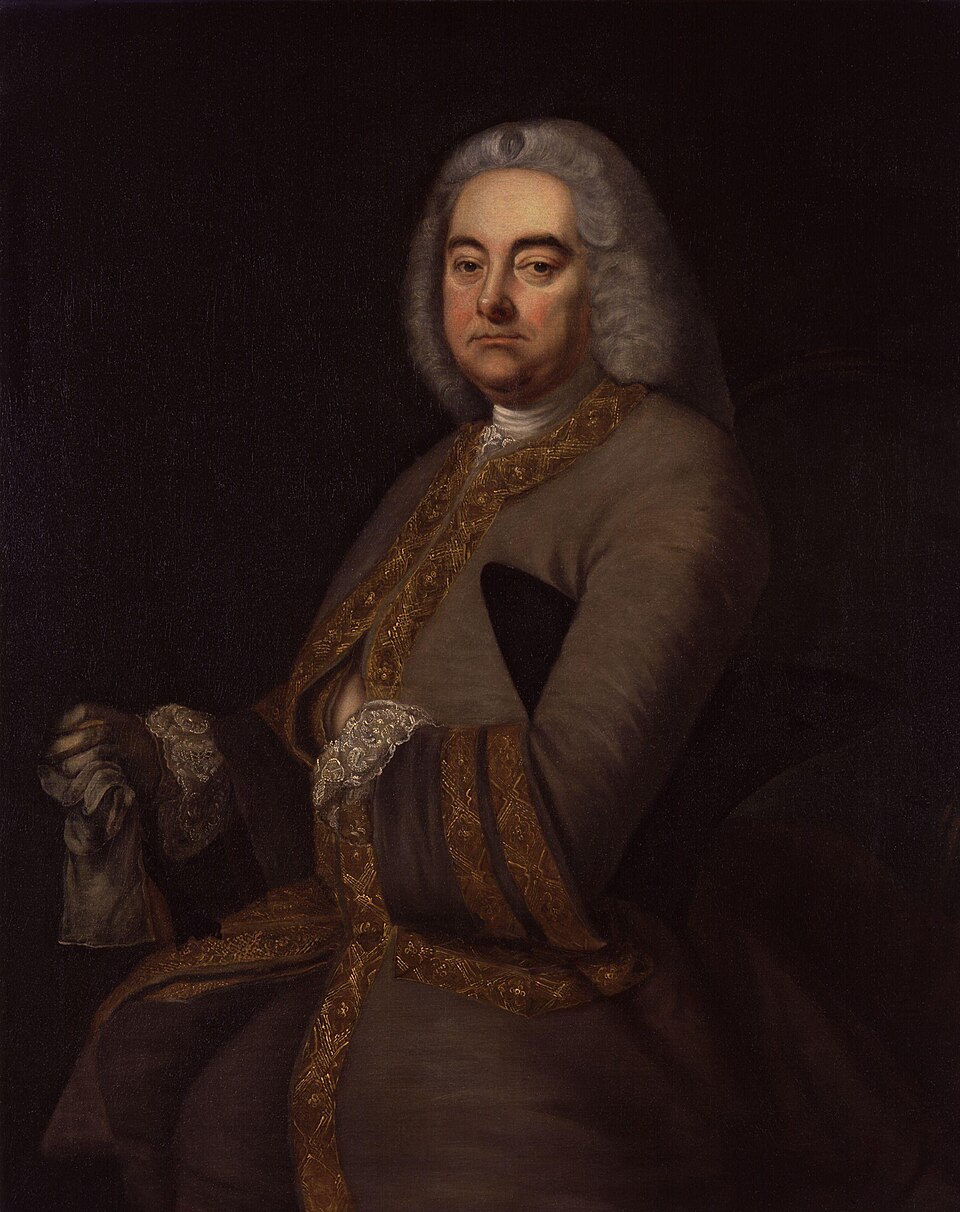
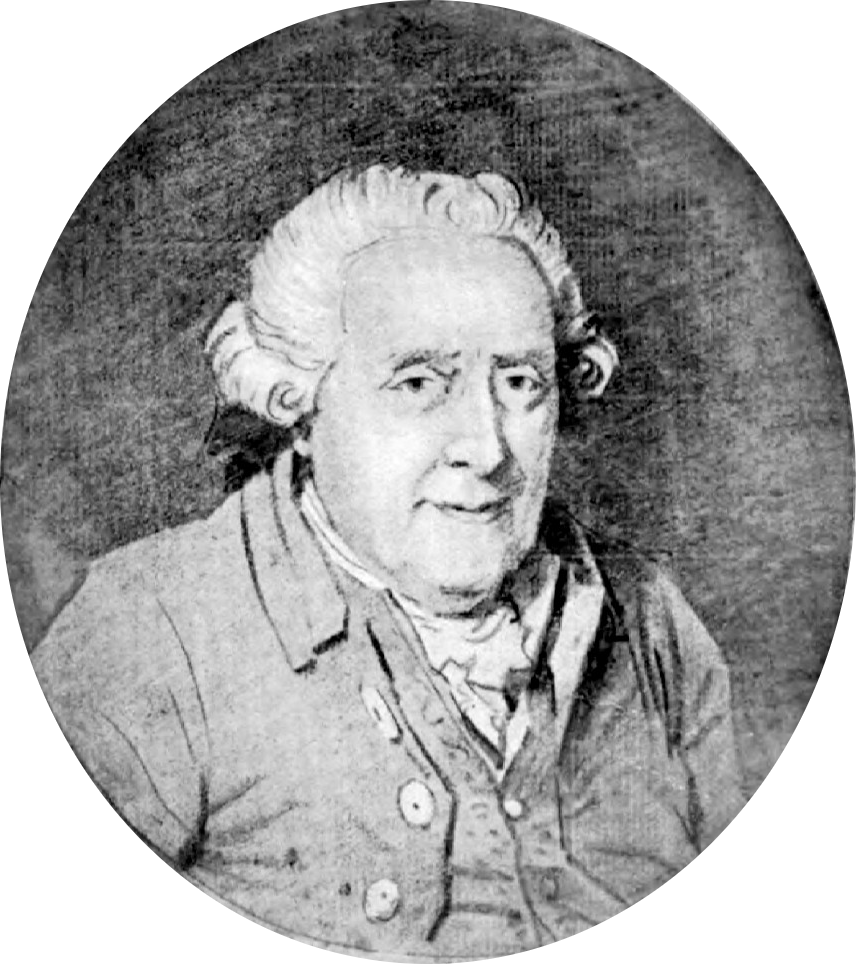
1750–1799
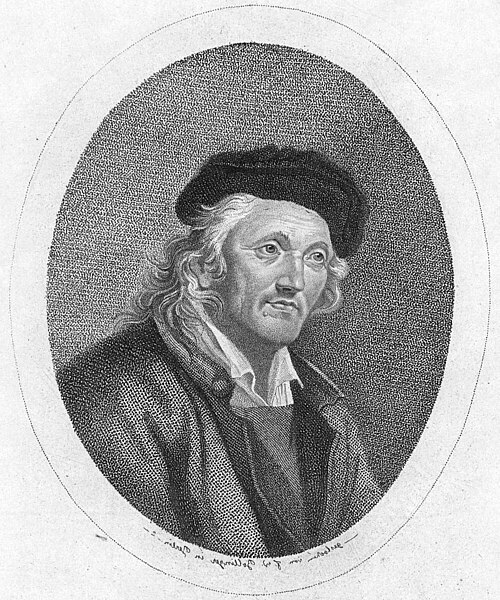
Stories, places & programmes
Open a chapter to follow the story or play a short programme.
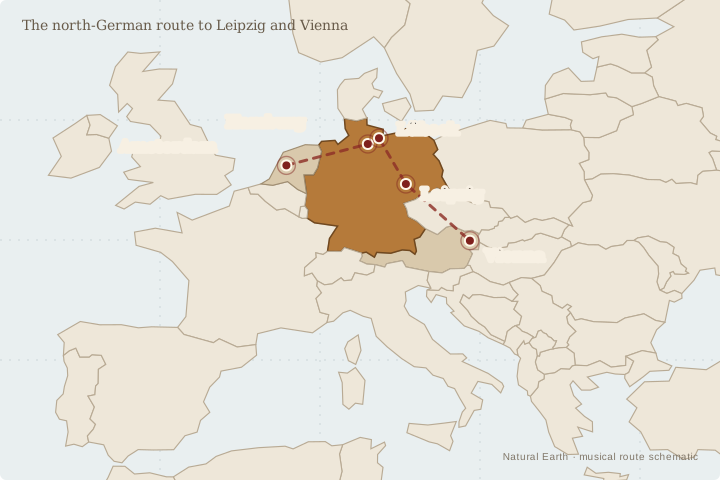
The northern route · Hamburg · Lübeck · c. 1600–1700
Hamburg · Lübeck · c. 1600–1700
The northern route
Sweelinck's teaching in Amsterdam fed directly into the north-German organ school. Scheidemann, Reincken and Buxtehude turned chorales, preludes and free forms into large musical architectures designed for the sonority of northern organs.
Play this room4 scores chosen as a miniature recitalCourts, cities and private keyboards · Vienna · Nuremberg · Leipzig
Vienna · Nuremberg · Leipzig
Courts, cities and private keyboards
Froberger brought Italian and French keyboard manners into a highly personal style. Pachelbel joined contrapuntal clarity to chorale practice, while Kuhnau's suites and sonatas show the keyboard becoming an instrument of narrative as well as devotion.
Play this room4 scores chosen as a miniature recitalBach gathers the traditions · Weimar · Köthen · Leipzig · 1685–1750
Weimar · Köthen · Leipzig · 1685–1750
Bach gathers the traditions
Johann Sebastian Bach did not end these traditions; he made them converse. The inventions train two independent hands, the suites absorb dance, and the organ works unite chorale, rhetoric and virtuosity. On the Inventions pages, Thomas Ragossnig's complete Spotify recording is the primary listening link.
Play this room3 scores chosen as a miniature recitalThe instrument room · builders and surviving instruments
The objects behind the music
The north-German and central-German schools were written for different physical worlds. Surviving organs let us compare those worlds rather than treating 'the organ' as one fixed instrument.
Hamburg · 1693
Arp Schnitger at St Jacobi
Freiberg · 1711–1714
Gottfried Silbermann's great organ
Continue into the archives
Find an instrument or builder
External registers are linked for research; their text and photographs are not copied here. Instrument records change as restorations and scholarship advance.