Musical Europe · Warsaw · Żelazowa Wola · Paris
Polish dance, song and the Chopin imagination
A keyboard language formed in Warsaw and transformed abroad
Polish keyboard music cannot be contained by a modern border. Warsaw supplied institutions, teachers, theatre and public concerts; vernacular dances supplied rhythm and memory; émigré careers carried that material into Europe's salons without dissolving its identity.
3 linked composers · 163 playable or downloadable scores
Composers through time
Half-century groups use the midpoint of each composer's recorded lifespan as an orientation, not a composition date. Within each group: earliest birth first.
1800–1849
Stories, places & programmes
Open a chapter to follow the story or play a short programme.
Warsaw before Chopin · Warsaw · early nineteenth century
Warsaw · early nineteenth century
Warsaw before Chopin
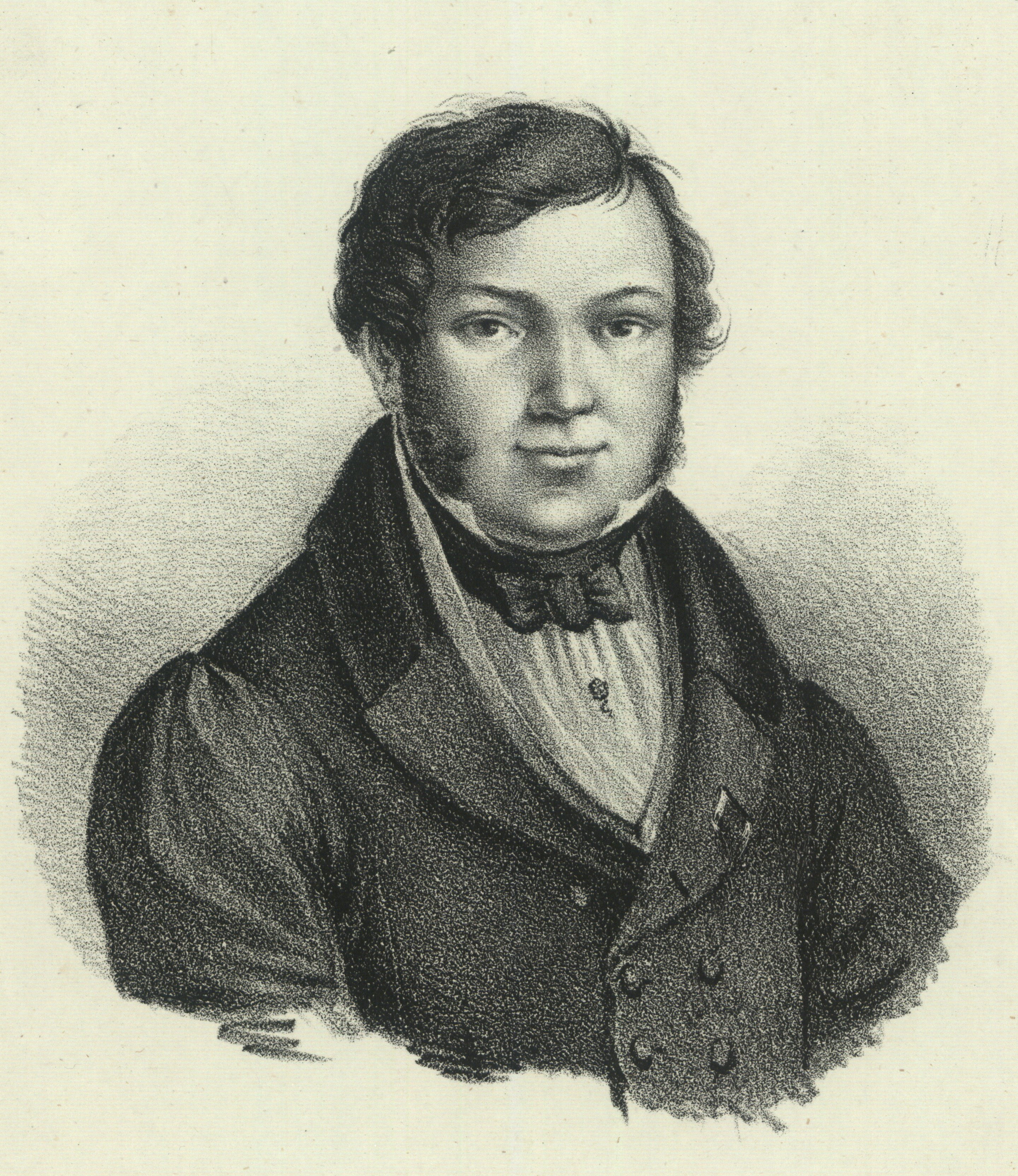
Maria Szymanowska built an international career as pianist and composer while the public culture of the keyboard was still taking shape. Karol Kurpiński directed Warsaw's National Theatre and belonged to the musical world that trained and encouraged the young Chopin.
Play this room2 scores chosen as a miniature recitalŻelazowa Wola and Warsaw · Mazovia · 1810–1830
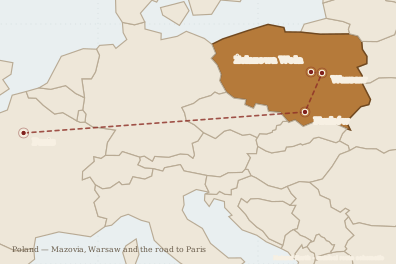
Mazovia · 1810–1830
Żelazowa Wola and Warsaw
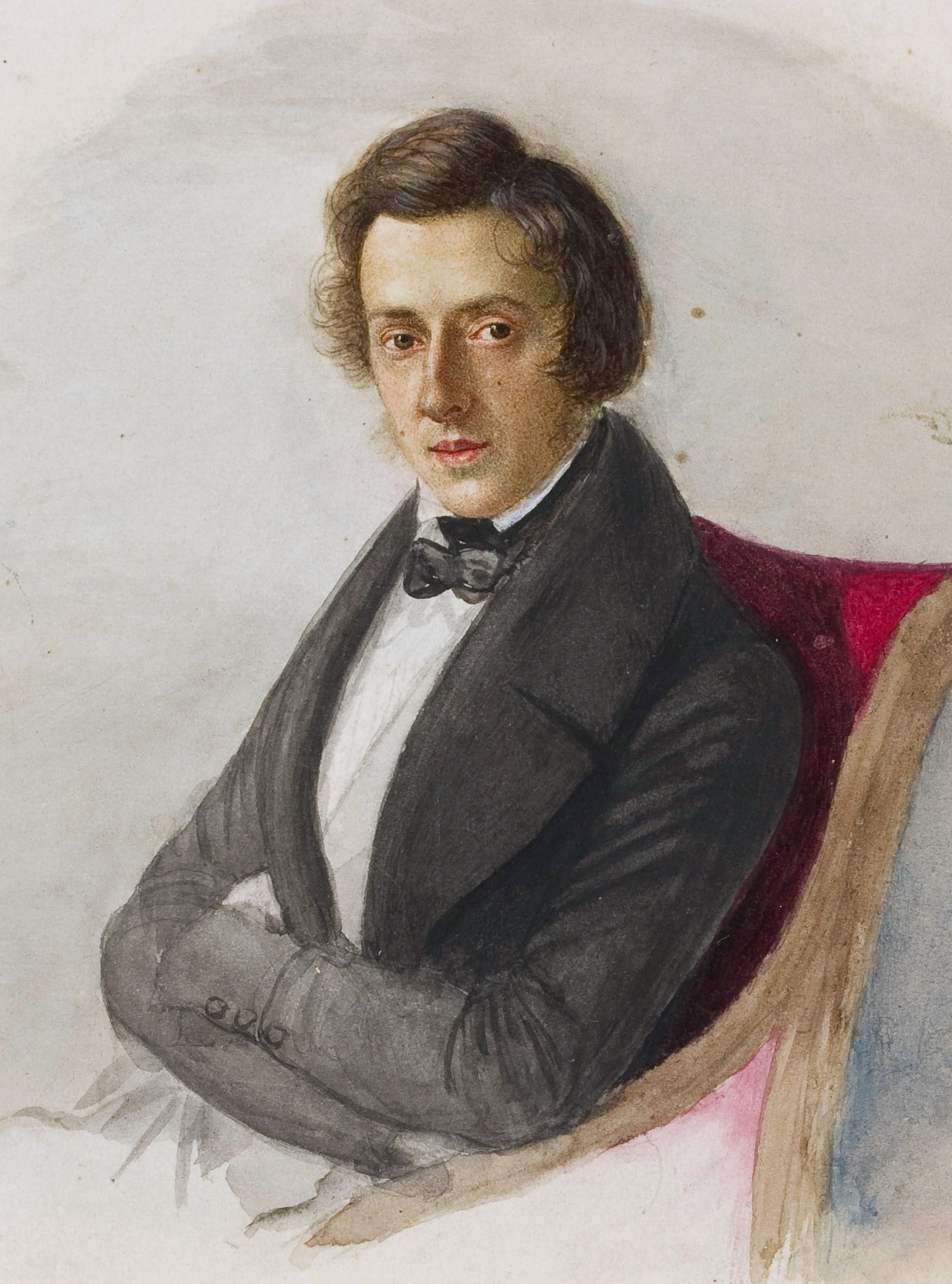
Chopin was born at Żelazowa Wola and educated in Warsaw. Mazurkas and polonaises did not function as picturesque labels pasted onto an international style: their accents, phrase shapes and social associations became structural parts of his musical thinking.
Play this room3 scores chosen as a miniature recitalA Polish voice in Paris · Paris · after 1831
Paris · after 1831
A Polish voice in Paris
In Paris, Chopin wrote for the modern piano and an international audience while preserving an intensely recognisable musical language. The nocturnes, études, preludes and dances turn touch, pedalling and ornament into composition itself; the Polish journey therefore ends abroad without ceasing to be Polish.
Play this room3 scores chosen as a miniature recital