Musical Europe · Paris · Versailles · the organ loft
Ornament, ceremony and the grand jeu
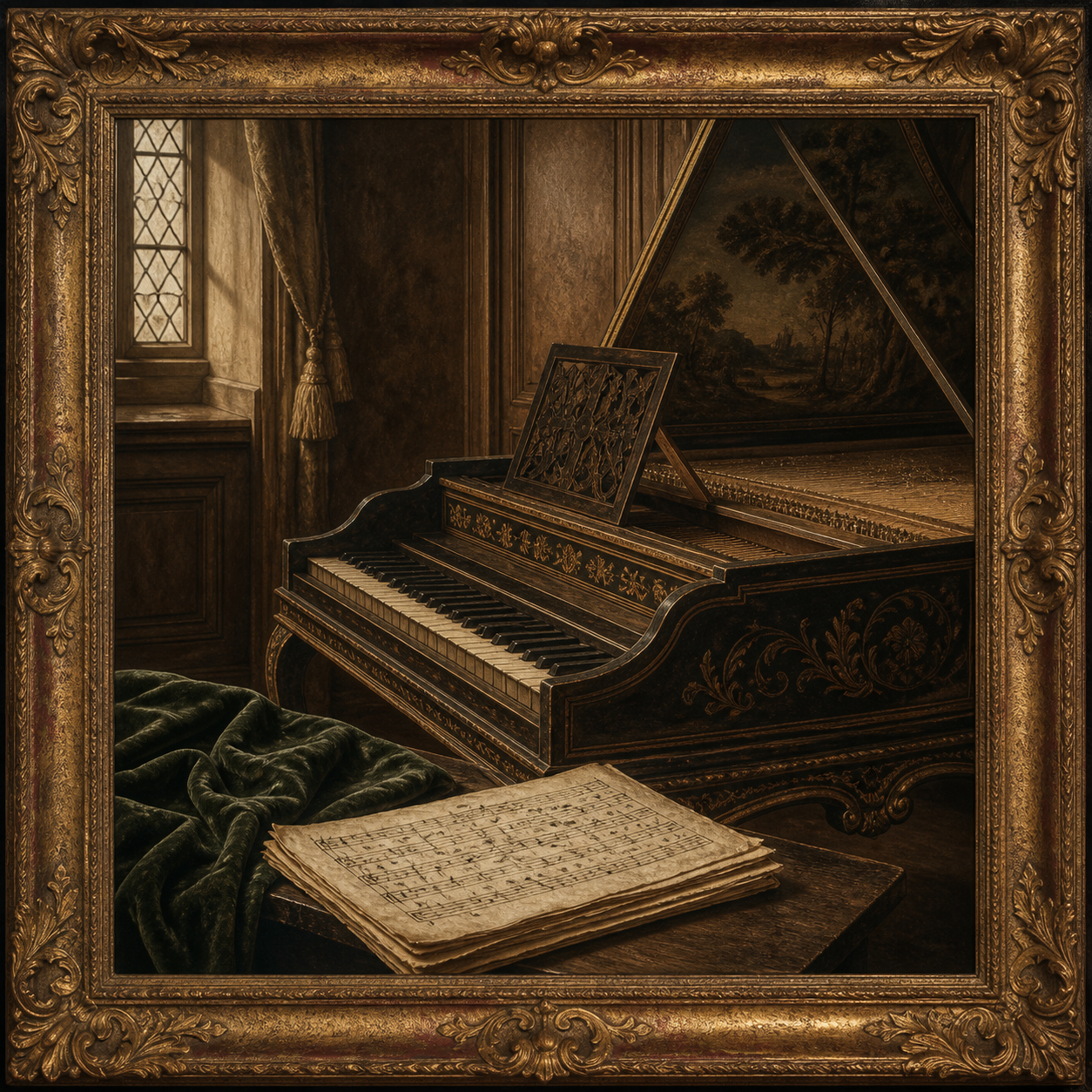
Two keyboards: the public organ and the intimate clavecin
French organ titles name colours—plein jeu, grand jeu, récit—because the instrument itself was organised as a theatre of contrasting divisions and stops.
10 linked composers · 273 playable or downloadable scores
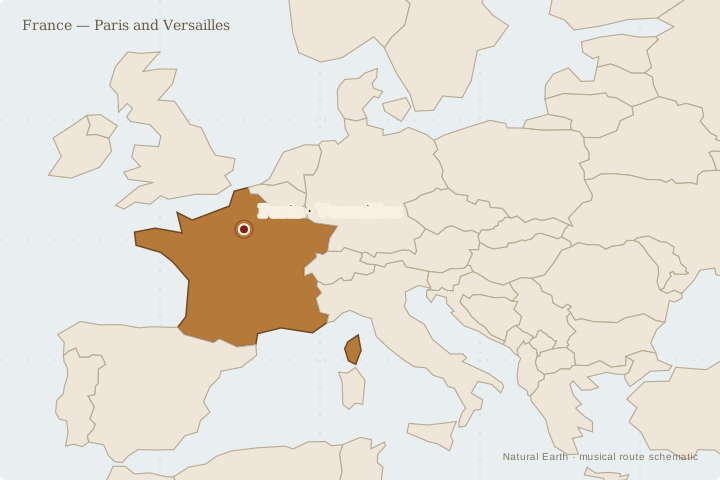
Composers through time
Half-century groups use the midpoint of each composer's recorded lifespan as an orientation, not a composition date. Within each group: earliest birth first.
1650–1699
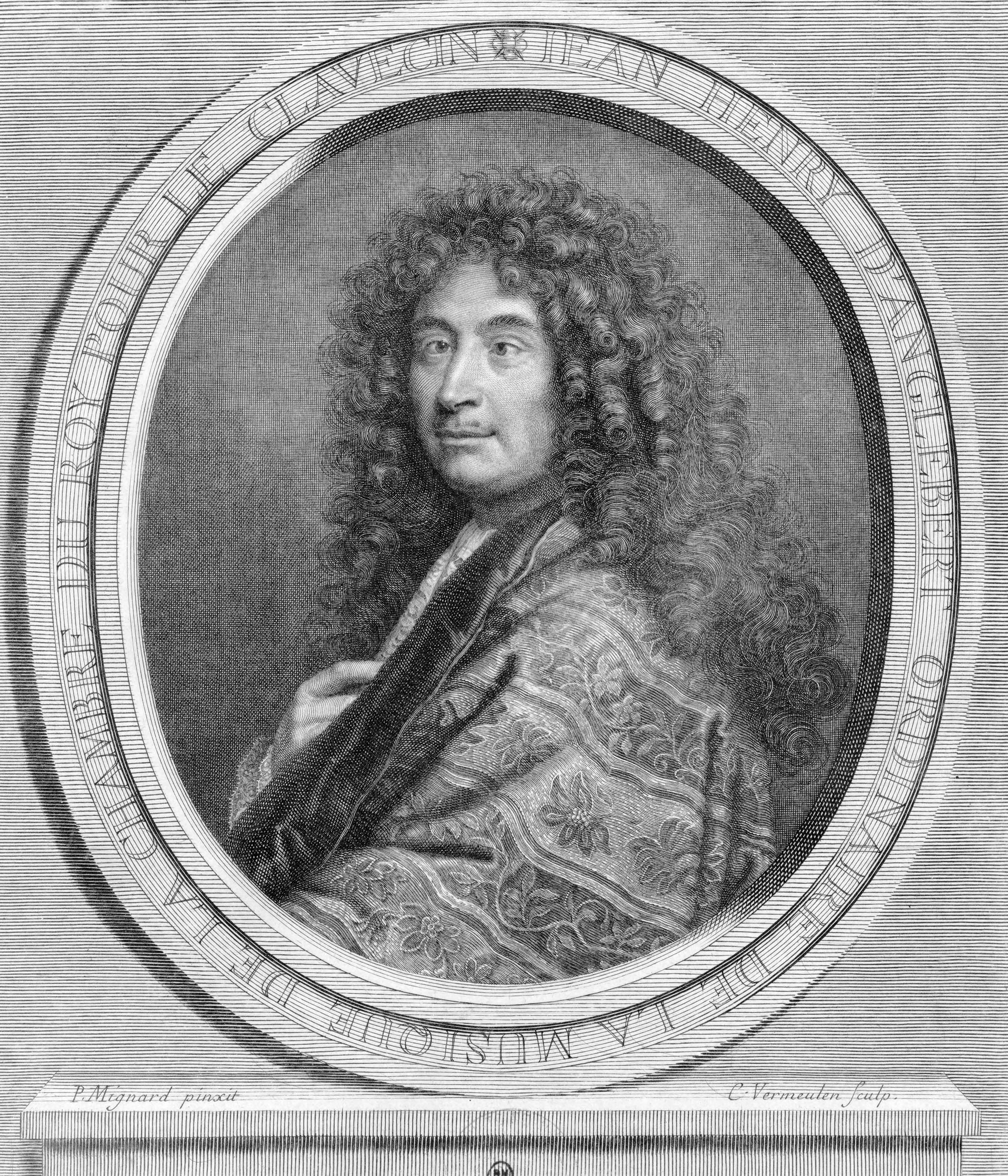
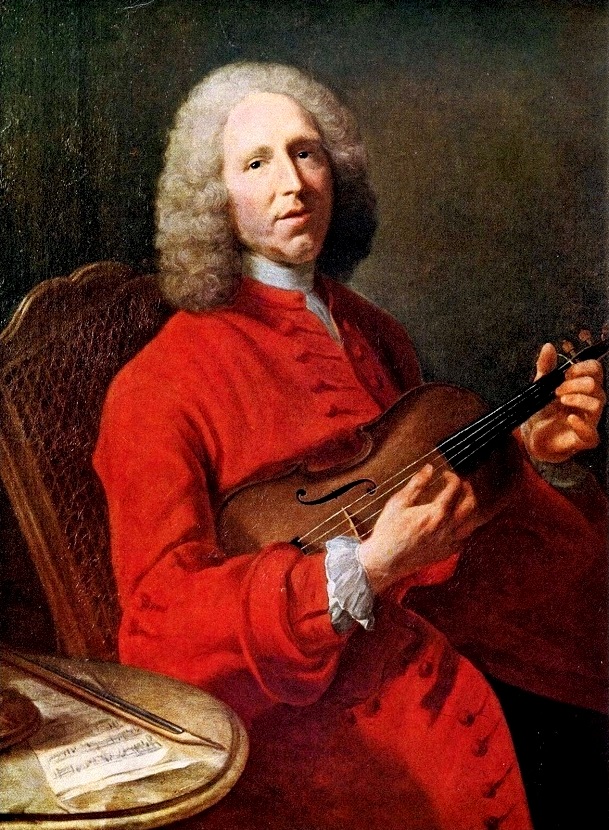
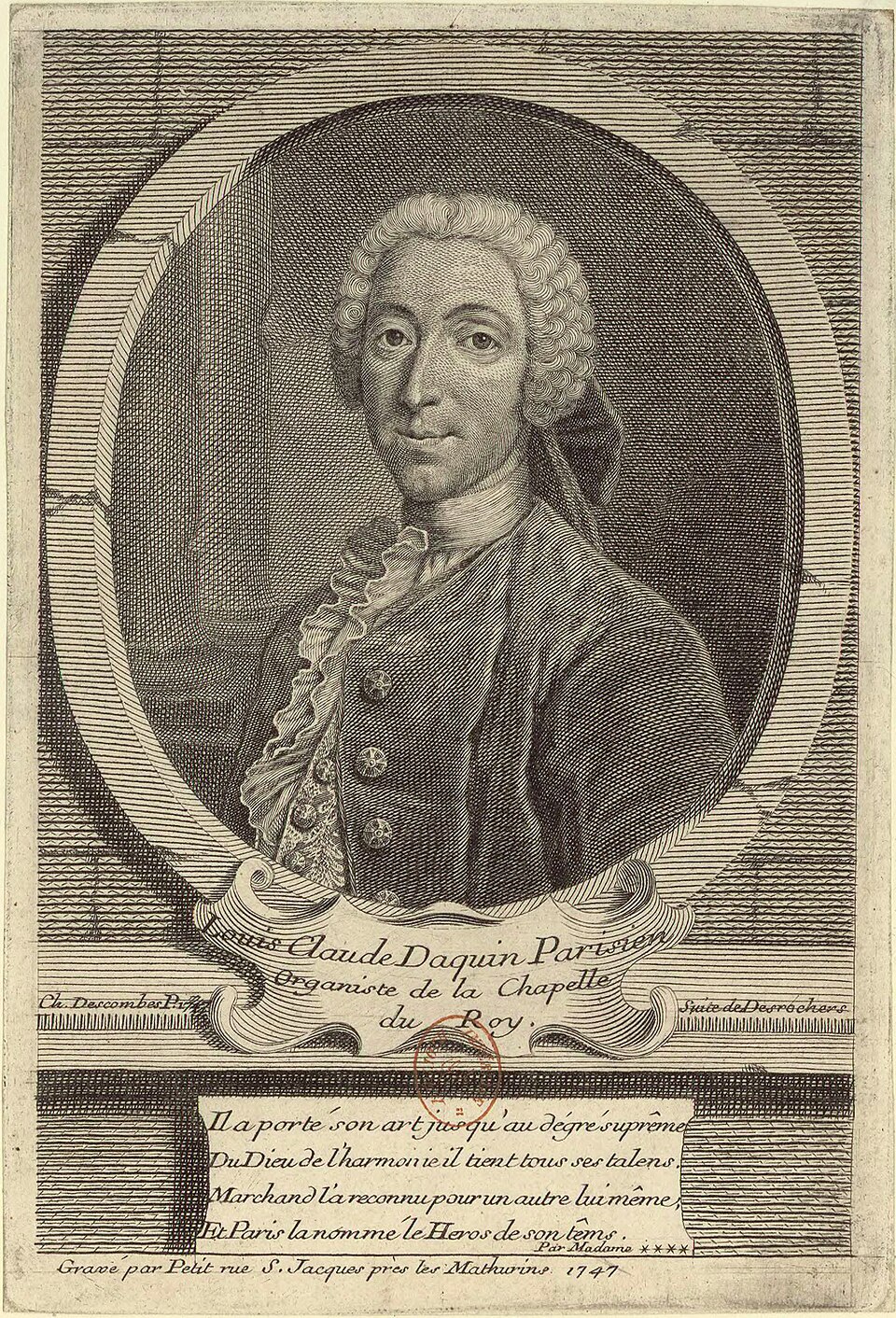
1700–1749
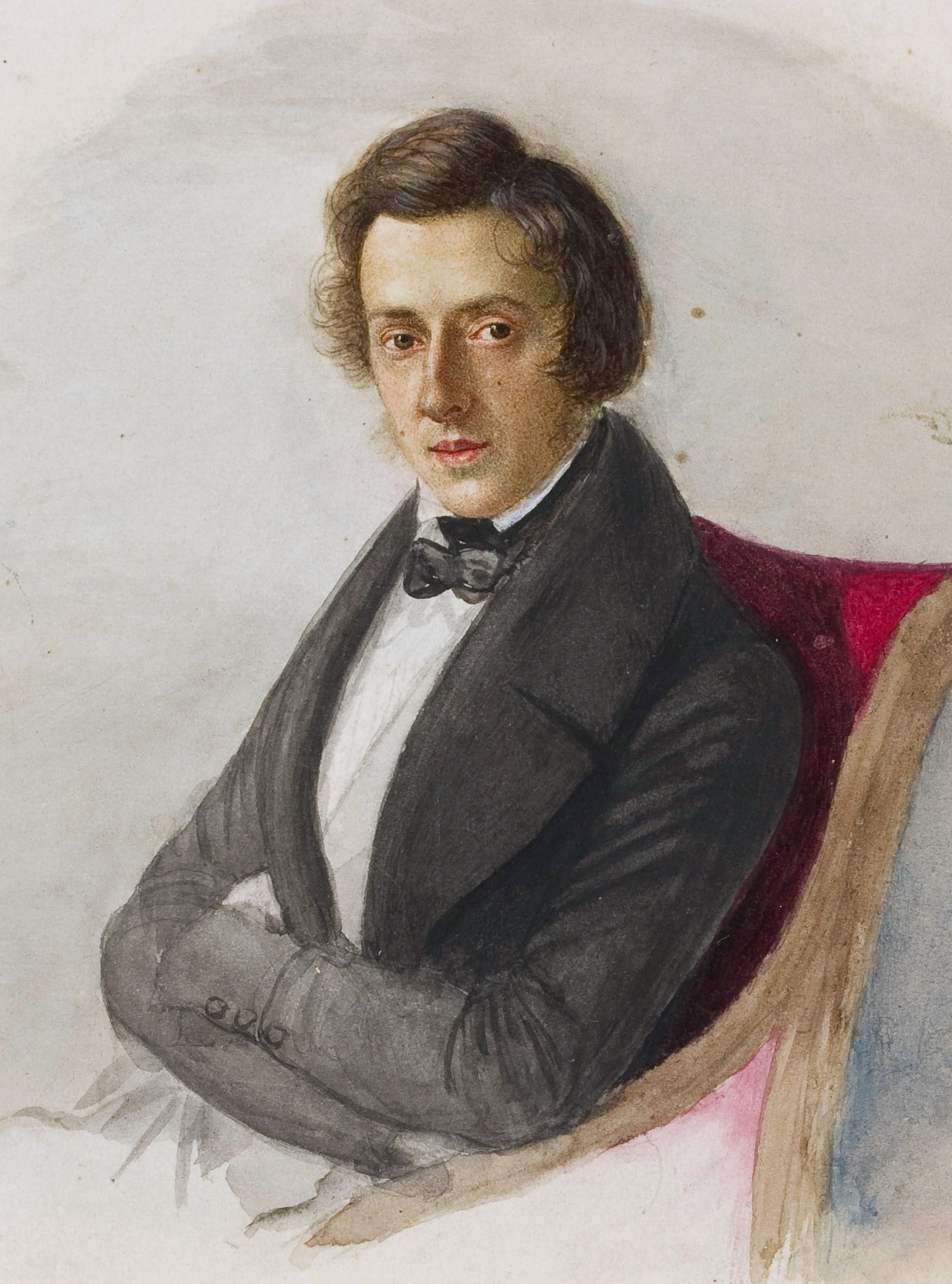
1800–1849
Stories, places & programmes
Open a chapter to follow the story or play a short programme.
At the clavecin · Paris and Versailles
Paris and Versailles
At the clavecin
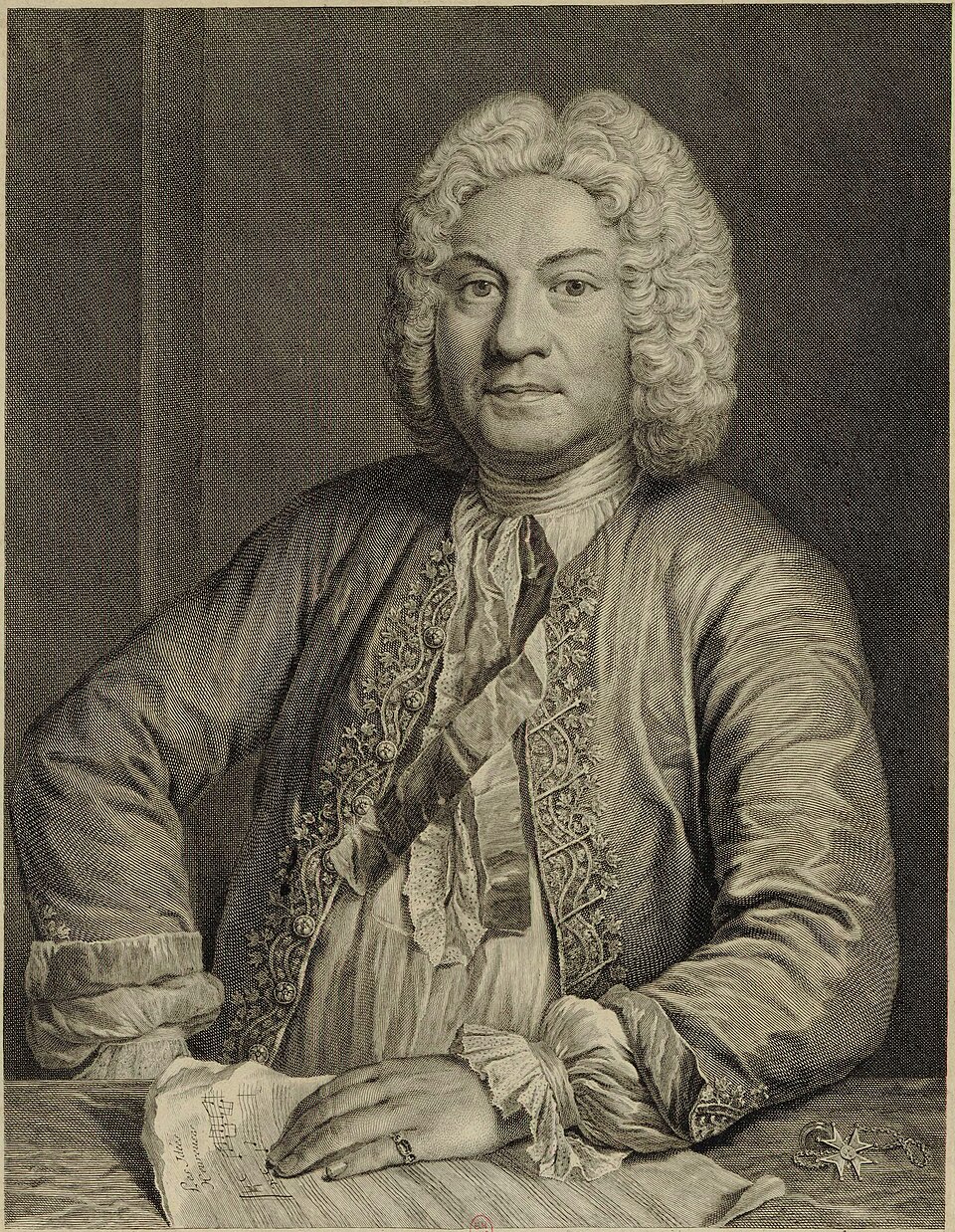
The harpsichord suite became a gallery of dances and character pieces. D'Anglebert preserved a rich language of ornament; François Couperin grouped pieces into ordres; Rameau joined physical keyboard brilliance to an unusually exact ear for harmony.
Play this room3 scores chosen as a miniature recitalThe organ book · Parisian churches · seventeenth century
Parisian churches · seventeenth century
The organ book
Published organ books organised music by liturgical function and by registration. Nivers, Lebègue and de Grigny wrote pieces whose titles—plein jeu, dialogue, récit and others—tell the player how contrasting divisions of the French classical organ should speak.
Play this room4 scores chosen as a miniature recitalVirtuosity and character · The eighteenth century
The eighteenth century
Virtuosity and character
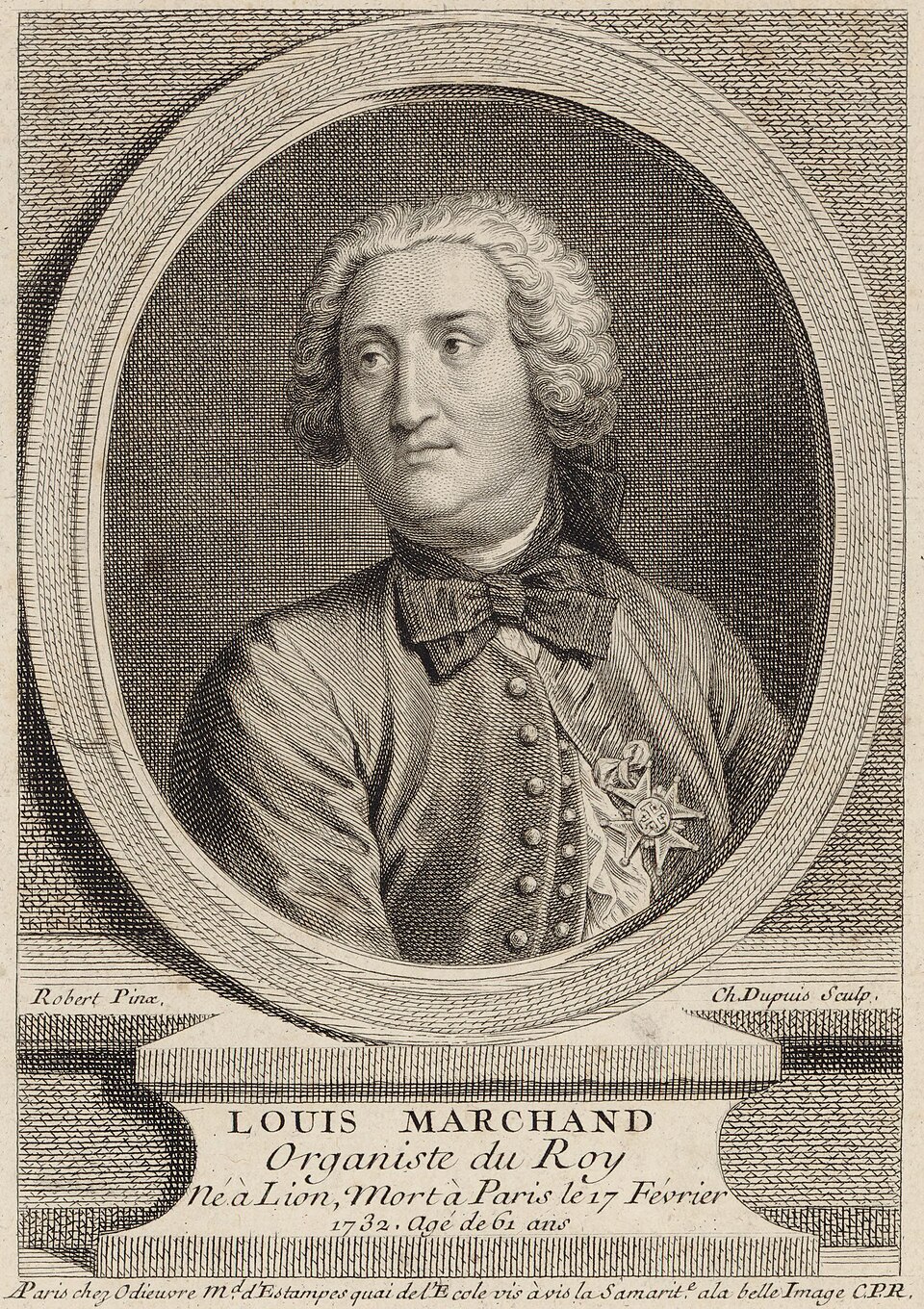
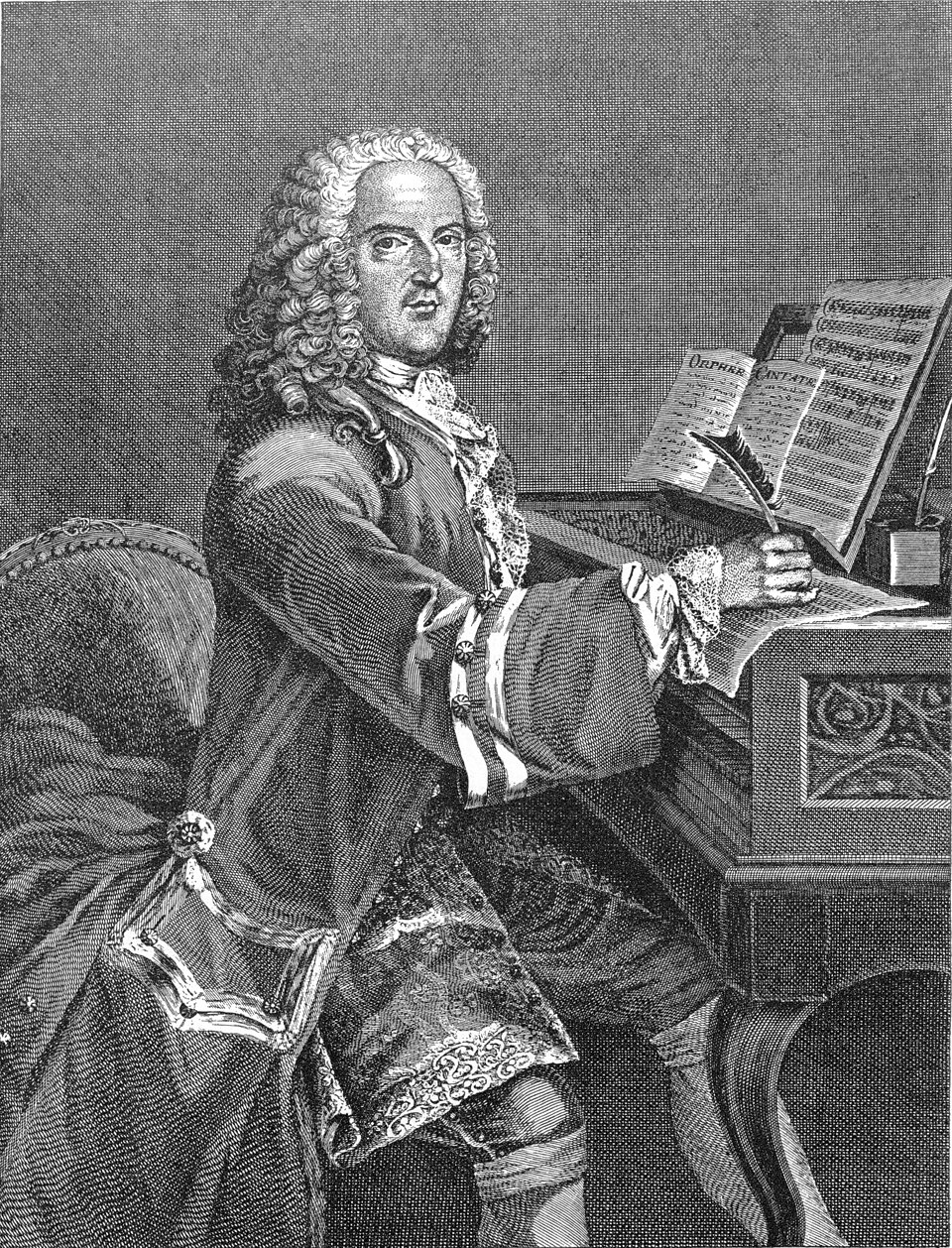
Marchand and Daquin brought public brilliance to organ and harpsichord writing. Their music makes contrast itself expressive: weight against delicacy, sustained resonance against quick figuration, ceremony against wit.
Play this room3 scores chosen as a miniature recitalChopin in Paris · Paris · 1831–1849
Paris · 1831–1849
Chopin in Paris
Chopin arrived in Paris on 5 October 1831, after leaving Poland the previous year. He entered the city's musical circles, made his Paris debut at the Salle Pleyel in 1832, taught pupils from Polish and French aristocratic families, and published with Schlesinger. Teaching supplied much of his income; public concerts were comparatively rare, while salons were a favourite place to perform. This Paris chapter complements the Warsaw and Polish-dance story in the Poland route.
Play this room3 scores chosen as a miniature recitalThe instrument room · builders and surviving instruments
The objects behind the music
French organ titles name colours—plein jeu, grand jeu, récit—because the instrument itself was organised as a theatre of contrasting divisions and stops.
A national instrument map
More than 8,500 organs recorded
Continue into the archives
Find an instrument or builder
External registers are linked for research; their text and photographs are not copied here. Instrument records change as restorations and scholarship advance.