Musical Europe · Venice · Rome · Naples
From St Mark's to the keyboard sonata
Organs, courts and the changing voice of the Italian keyboard
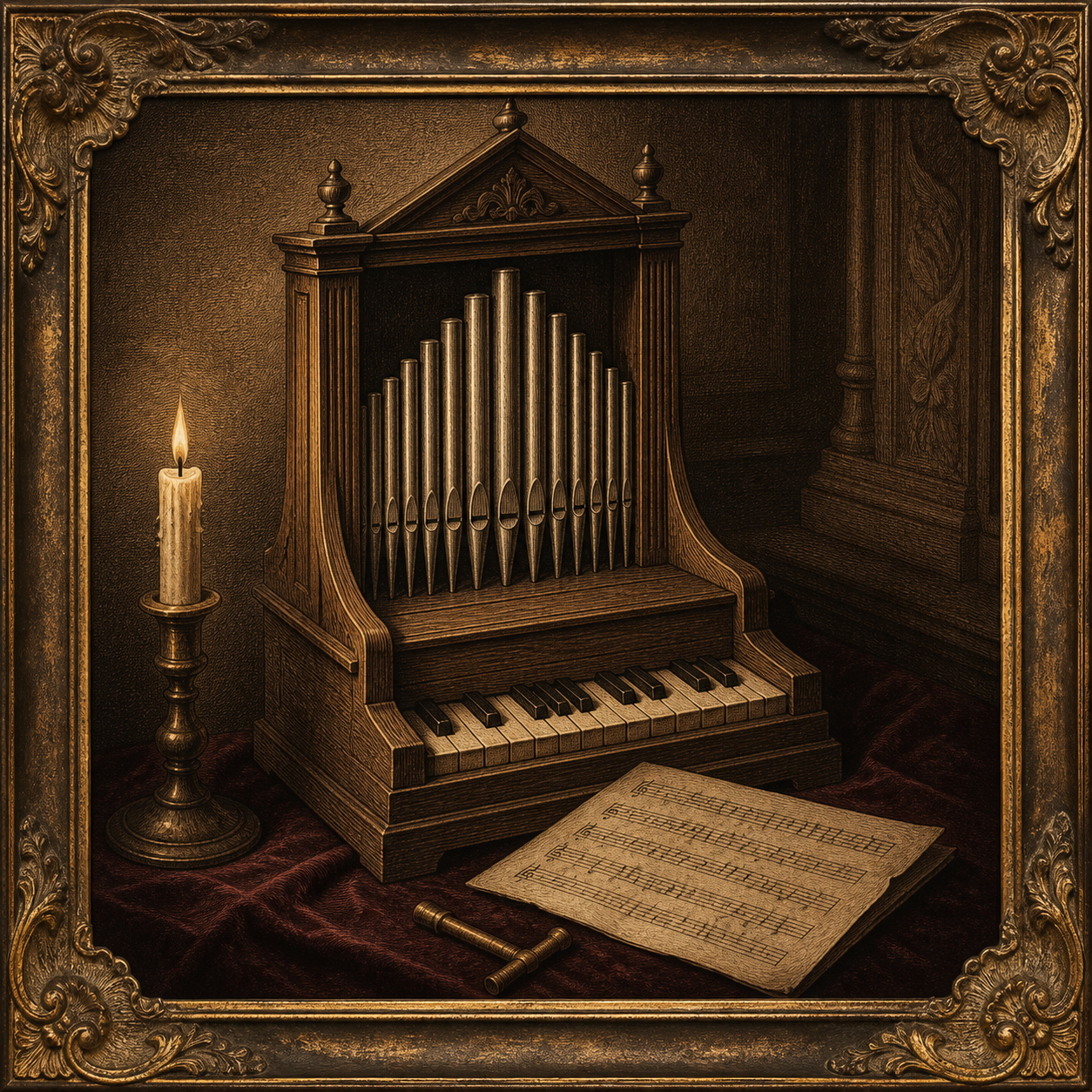
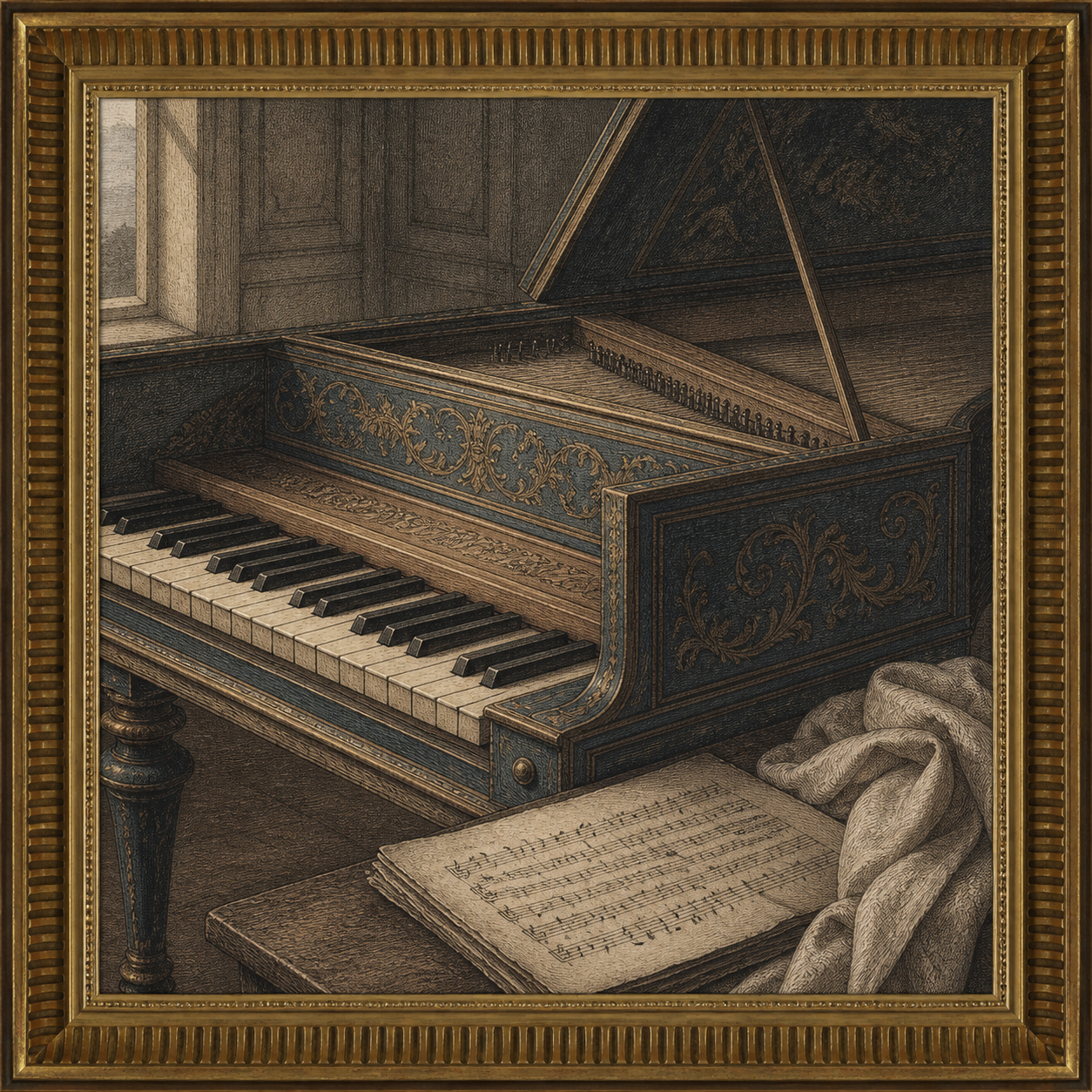
Keyboard music changed when its instruments changed. These surviving objects make the shift from light Italian harpsichords to Cristofori's hammer action tangible.
13 linked composers · 886 playable or downloadable scores
Composers through time
Half-century groups use the midpoint of each composer's recorded lifespan as an orientation, not a composition date. Within each group: earliest birth first.
1500–1549
1550–1599
1600–1649
1650–1699
1700–1749
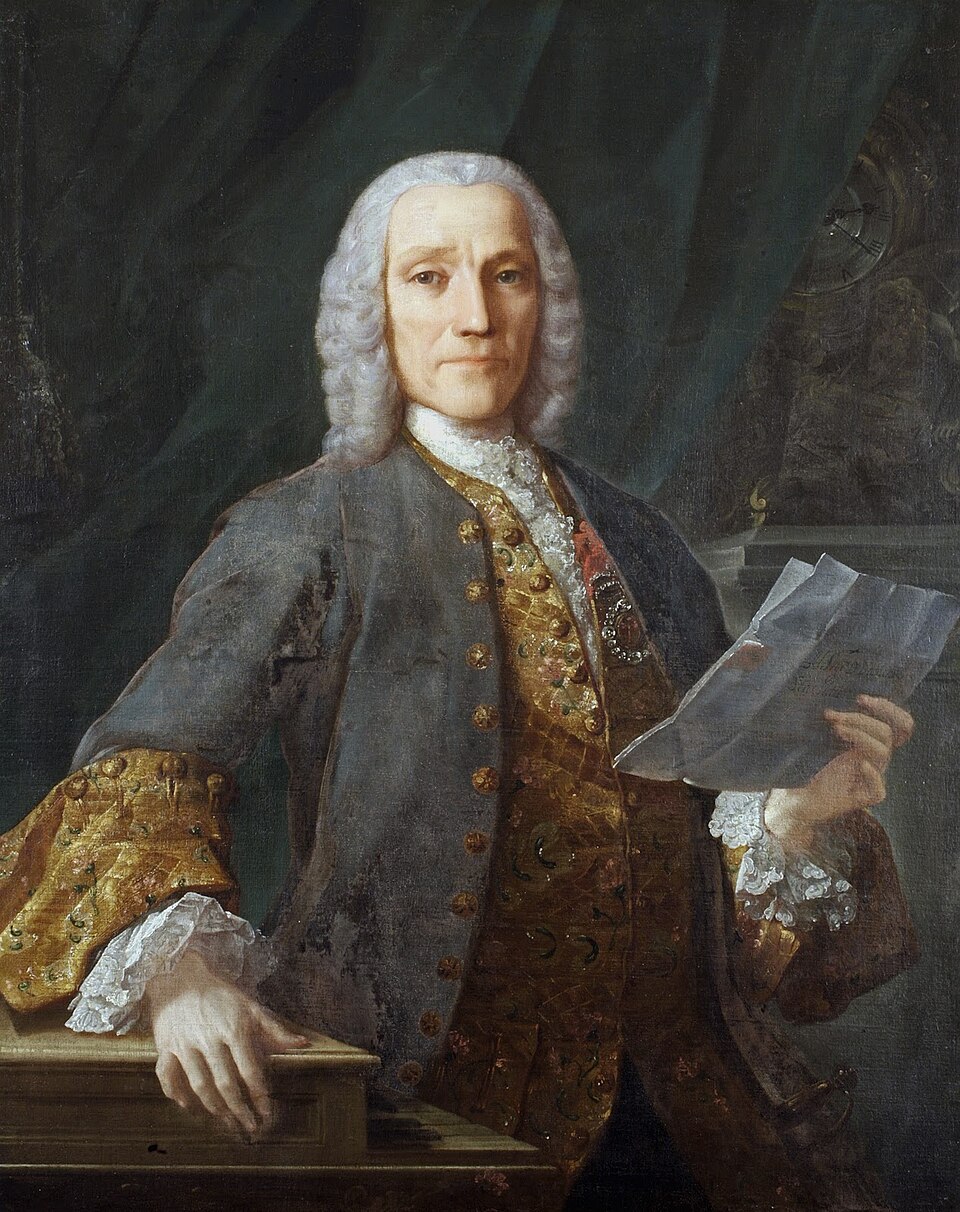
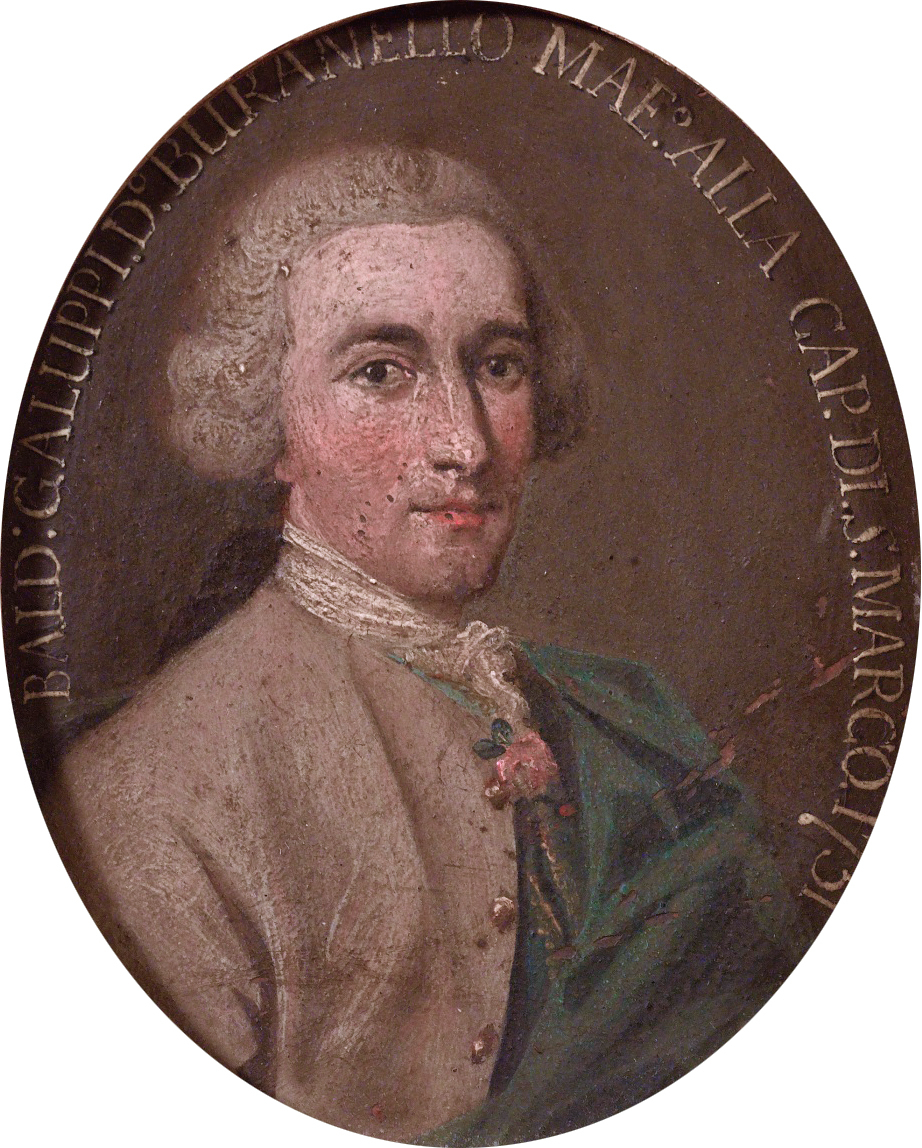
Date unknown
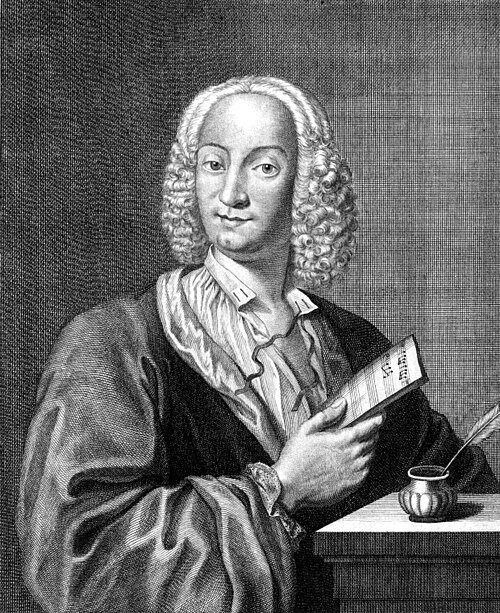
Stories, places & programmes
Open a chapter to follow the story or play a short programme.
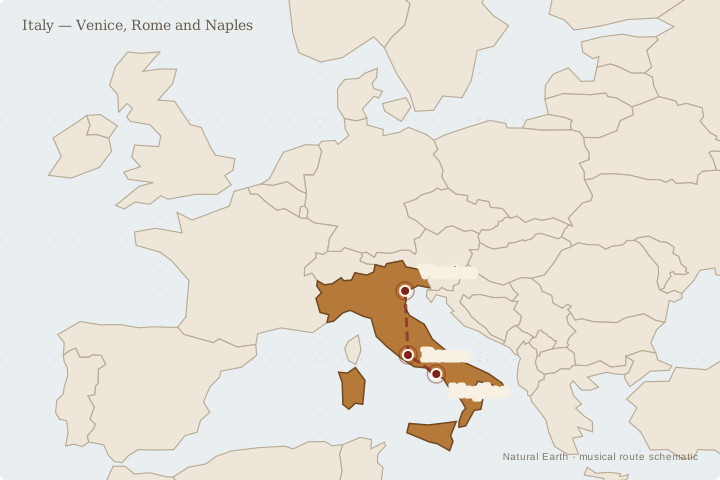
Venice: architecture becomes music · Venice · c. 1500–1750
Venice · c. 1500–1750
Venice: architecture becomes music
At St Mark's and the city's other churches, organists worked in spaces shaped by galleries, ceremony and strong acoustic contrasts. Cavazzoni helped establish an independent repertory for keyboard; Merulo and the Gabrielis made Venice a European point of reference for contrapuntal and ceremonial writing. A century later, Vivaldi's concertos carried Venetian instrumental energy across Europe; this collection includes solo-organ adaptations, standalone keyboard versions, and clearly marked harpsichord or continuo parts intended to be played with orchestra or ensemble.
Play this room5 scores chosen as a miniature recitalRome and the eloquent keyboard · Rome · c. 1600–1700
Rome · c. 1600–1700
Rome and the eloquent keyboard
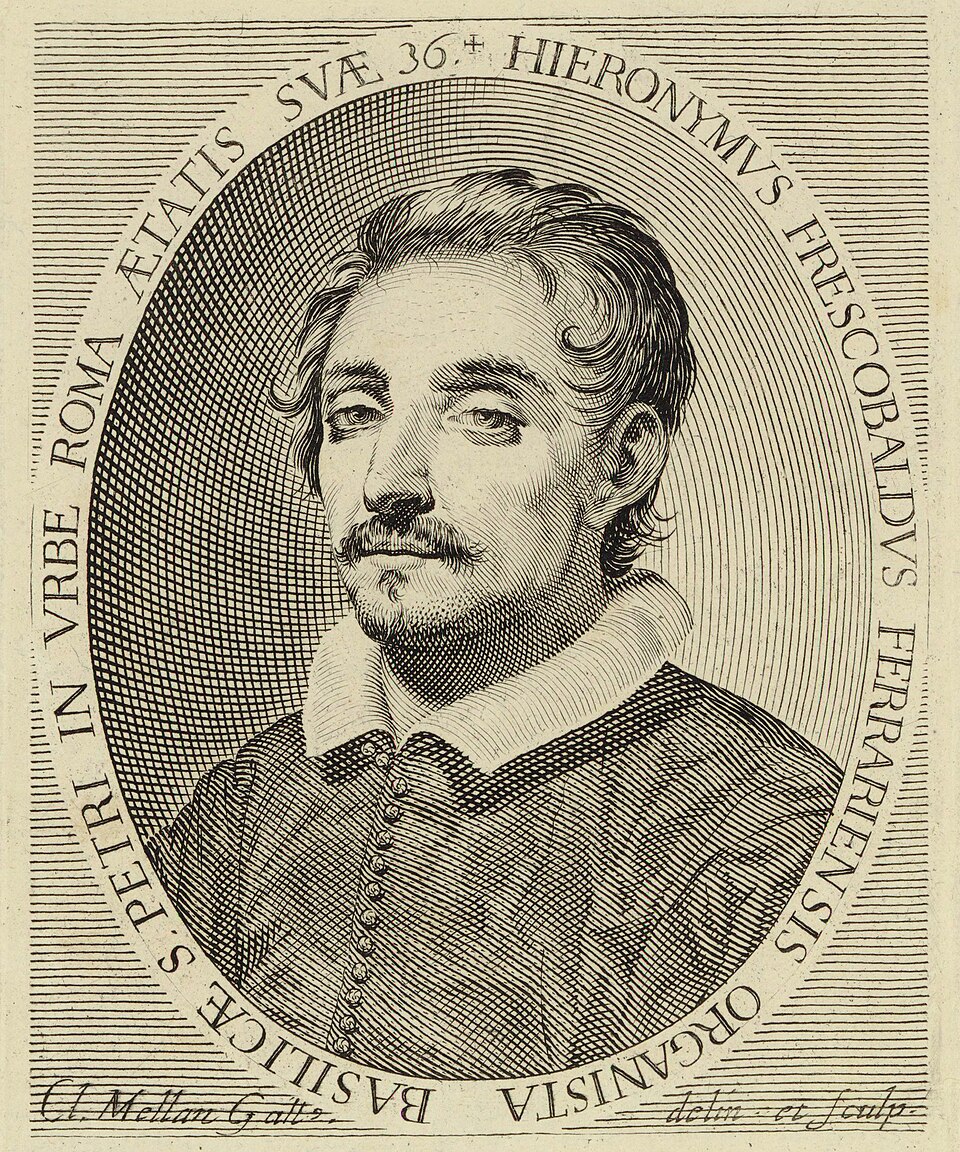
The keyboard could imitate speech: hesitate, accelerate, ornament and surprise. Frescobaldi's toccatas and liturgical organ music became models far beyond Italy. Rossi and Pasquini carried the improvisatory tradition into new forms and new generations.
Play this room3 scores chosen as a miniature recitalThe sonata leaves home · Naples · Venice · Madrid · c. 1680–1800
Naples · Venice · Madrid · c. 1680–1800
The sonata leaves home
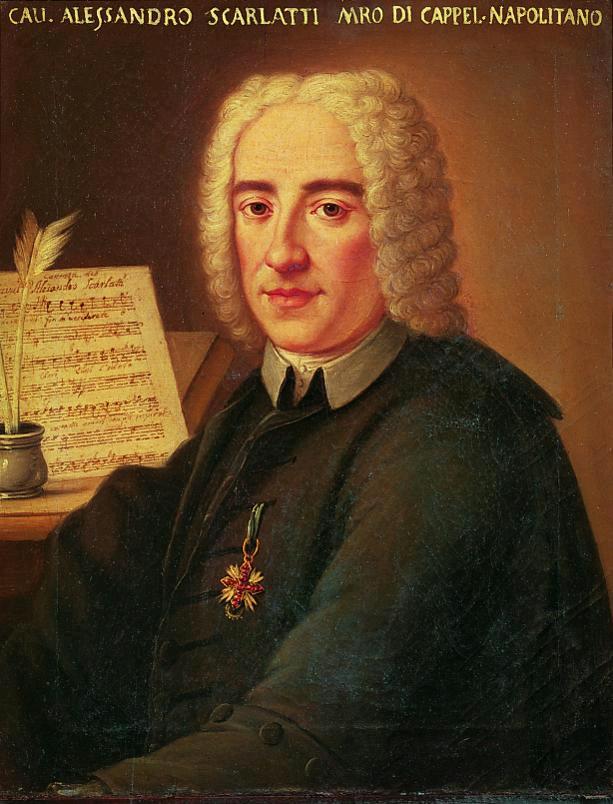
The single-movement sonata became a laboratory for touch, rhythm and hand-crossing. Alessandro Scarlatti stands at the operatic and keyboard threshold; Domenico transformed the sonata at the Iberian courts. Galuppi, Zipoli and their contemporaries reveal how widely Italian keyboard styles travelled.
Play this room4 scores chosen as a miniature recitalThe instrument room · builders and surviving instruments
The objects behind the music
Keyboard music changed when its instruments changed. These surviving objects make the shift from light Italian harpsichords to Cristofori's hammer action tangible.
Florence · 1720
Cristofori's surviving grand piano
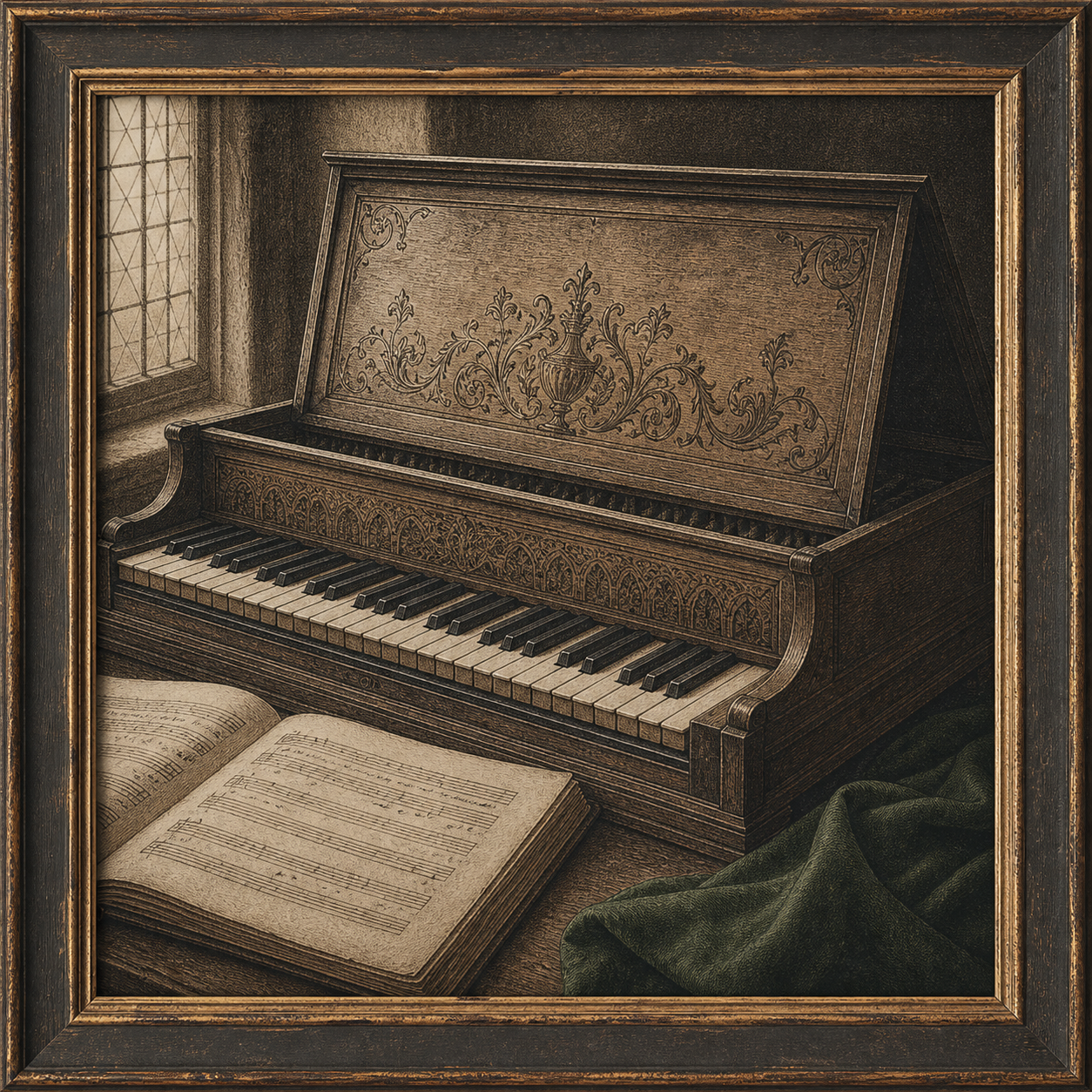
Probably Naples · mid-17th century
The thin-cased Italian harpsichord
Continue into the archives
Find an instrument or builder
External registers are linked for research; their text and photographs are not copied here. Instrument records change as restorations and scholarship advance.