
A guide to
Heinrich Scheidemann
Wöhrden, Holstein 1595 — Hamburg 1663
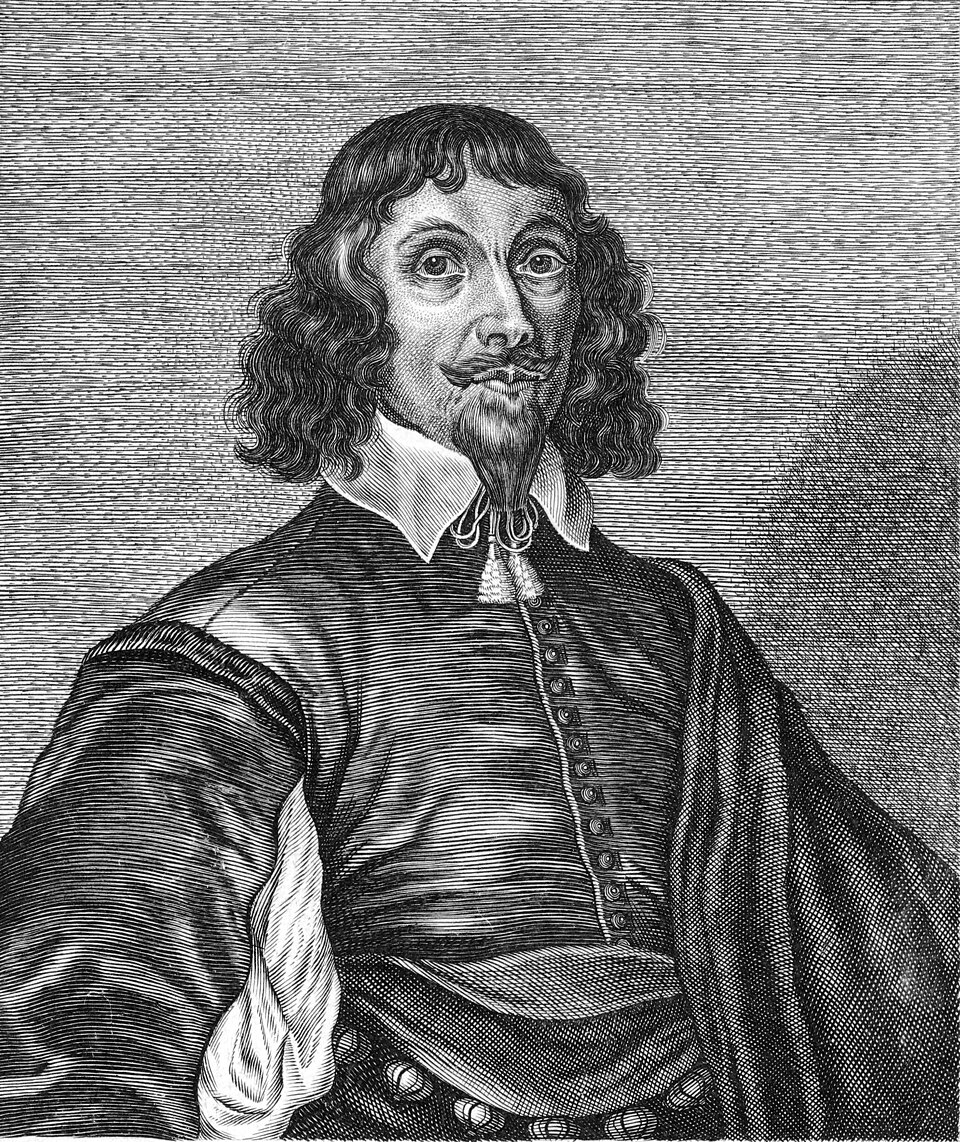
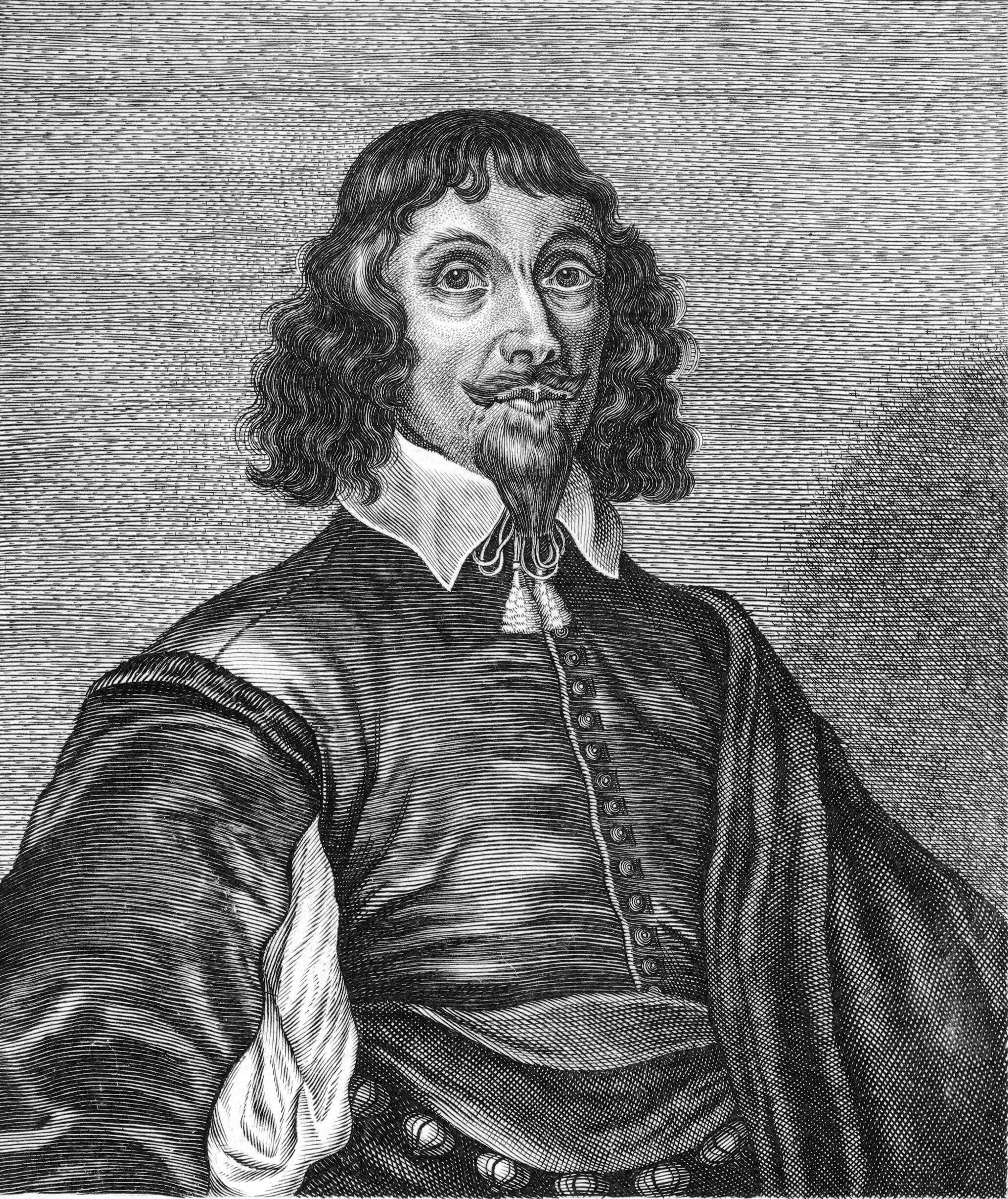
Heinrich Scheidemann was the best-known organ composer of north Germany in the first half of the seventeenth century, and the man who, more than any other, established the Hamburg organ school that would lead to Buxtehude and, beyond him, to J. S. Bach. He was born around 1595 in Wöhrden, a small town in Holstein, where his father was organist before moving to Hamburg. Like his great Halle contemporary Samuel Scheidt, Scheidemann made the formative journey to the master who shaped a whole generation: from 1611 to 1614 he studied in Amsterdam with Jan Pieterszoon Sweelinck — and Sweelinck thought enough of him to dedicate a canon to him before he went home, a small sign that he was among the favourites.
The organ loft at St Catherine’s
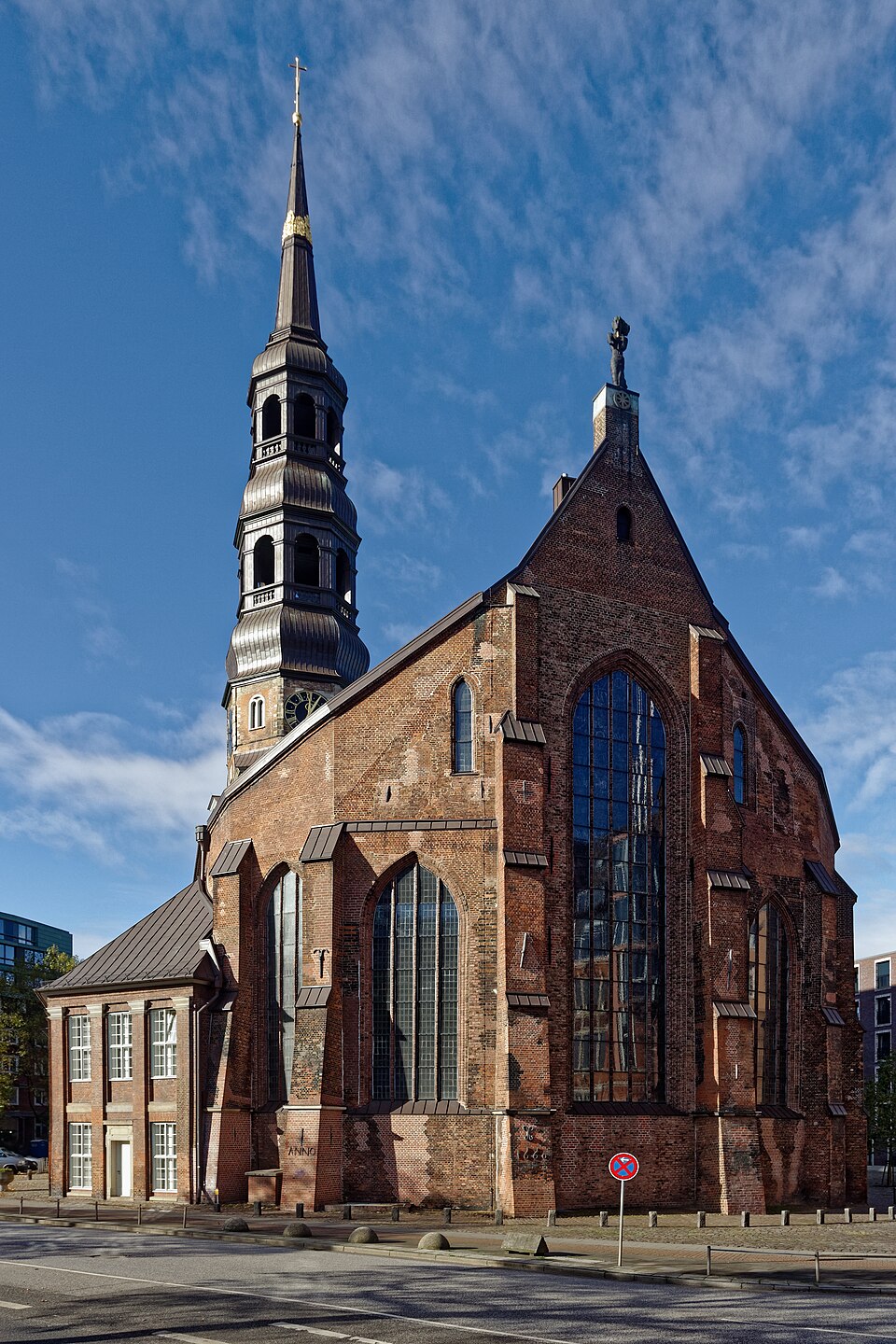
By 1629 — and probably a little earlier — Scheidemann had succeeded his father David as organist of the Catharinenkirche, St Catherine’s in Hamburg, one of the principal churches of the great Hanseatic city. He held the post for over thirty years. The instrument under his hands was famous: in 1631 the renowned builder Gottfried Fritzsche enlarged it, and the organ that resulted was among the finest in Germany — the same instrument that the young J. S. Bach would later travel to Hamburg to hear played by Scheidemann’s successor.
That successor was Scheidemann’s own pupil, Johann Adam Reincken, who became his assistant in 1658 and took over the loft when the master died. Scheidemann died in early 1663 during an outbreak of plague in Hamburg — the same disease that would carry off so many of his city.
The colourist of the manuals
More organ music by Scheidemann survives than by any other composer of his time, and almost all of it is for his own instrument. The backbone is liturgical: cycles of Magnificat settings through the eight church modes, designed to alternate verse by verse with the choir during Vespers, and a great body of chorale settings — from plain cantus-firmus arrangements to elaborate, multi-sectional chorale fantasias that hand the hymn melody around the manuals and pedals.
What sets Scheidemann apart from his teacher is colour. Where Sweelinck’s keyboard writing is essentially linear, Scheidemann exploits the resources of a great Hamburg organ — echo effects, abrupt changes of manual, solo registrations — turning the instrument’s divisions into a palette. In his free praeambula and toccatas, that taste for contrast and brilliant flourish is the seed of the north German stylus phantasticus that Buxtehude would bring to full flower. Scheidemann is the quiet founder at the head of that whole magnificent line.