A guide to
William Boyce
London 1711 — London 1779
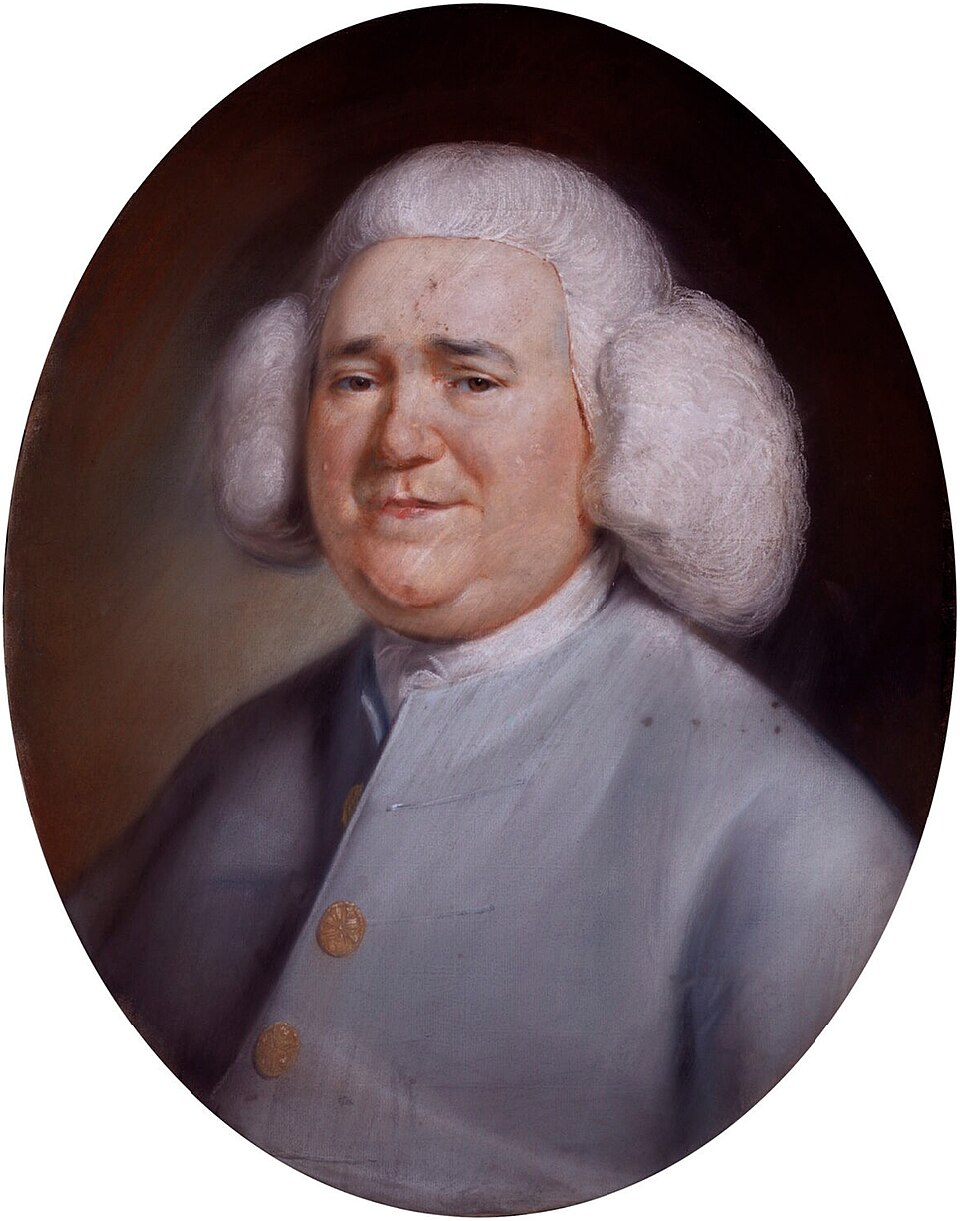
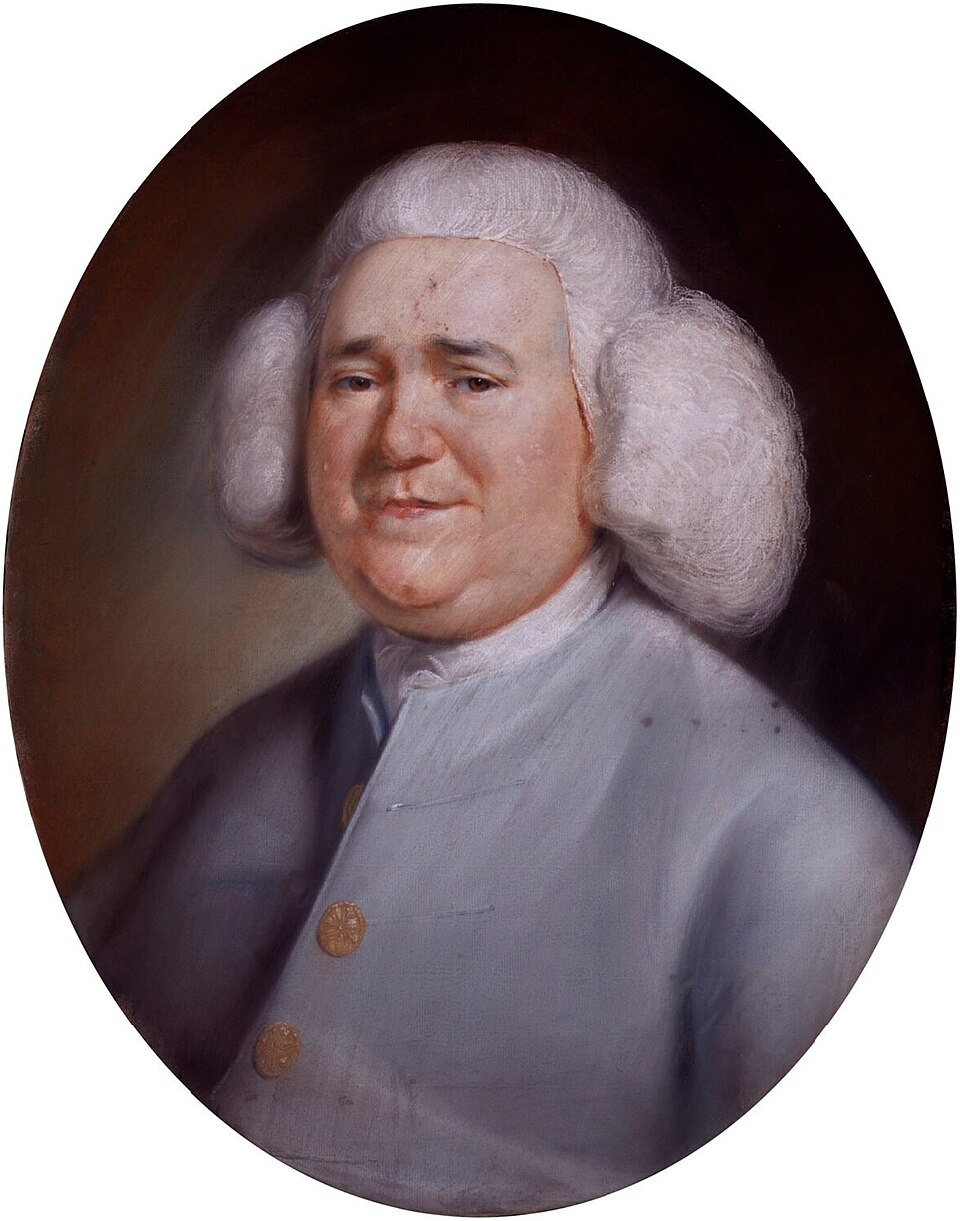
William Boyce was the leading English composer of his generation and the great preserver of England’s older church music — a man who went deaf in his prime, retired from the organ bench, and spent his last years editing into print three centuries of cathedral music that might otherwise have been lost. Baptised in London on 11 September 1711, the son of a joiner, he entered the choir of St Paul’s Cathedral as a boy in 1719 and, when his voice broke, studied with Maurice Greene, the cathedral’s organist — the same teacher who, a little later, trained the young John Stanley.
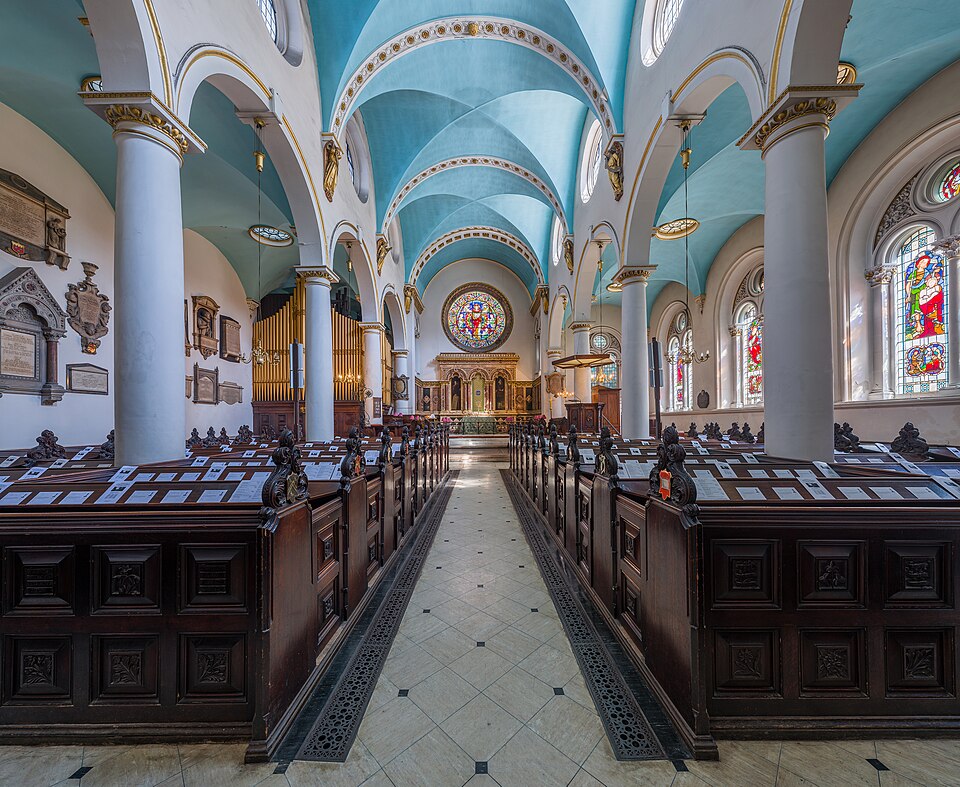
His rise was steady rather than spectacular. He became composer to the Chapel Royal and organist of St Michael, Cornhill in 1736, conductor of the Three Choirs Festival the next year, and in 1755 Master of the King’s Musick, succeeding Greene. In 1758 he added the organ of the Chapel Royal. By then a worse fate was closing in: a growing deafness that would, within a few years, make it impossible for him to keep up his playing.
The composer
Boyce’s music spans the church, the theatre and the concert room. His anthems and services are staples of the Anglican repertoire; his Eight Symphonies — really overtures drawn from his stage and ceremonial works — are the brightest English orchestral music of the mid-century, championed in the twentieth by Constant Lambert, who published the first modern edition in 1928. From the theatre came the rousing song “Heart of Oak,” written for the 1759 pantomime Harlequin’s Invasion and still sung as a naval anthem.
His instrumental music reached an audience few English composers of the day could claim. Charles Burney recorded that Boyce’s Twelve Sonatas for two violins and a bass of 1747 were “not only in constant use, as Chamber music, in private concerts… but in our theatres, as act-tunes and public gardens, as favourite pieces, during many years.” For the organ he left a set of Ten Voluntaries, in the plain, tuneful English manner — the music of a working organist, published only after his death.
The great preservation
When deafness ended his career as a performer, Boyce turned to the work that would outlast everything else. Greene had begun assembling a great anthology of English church music and left it unfinished; Boyce retired to Kensington and completed it, publishing Cathedral Music in three volumes from 1760. It gathered, in clean modern score, the best of two hundred years of English masters — Tallis, William Byrd, Orlando Gibbons, Blow, Henry Purcell and many more — and it kept that repertoire alive in the choir stalls. Much of what English cathedrals still sing came down to them through Boyce’s pages.
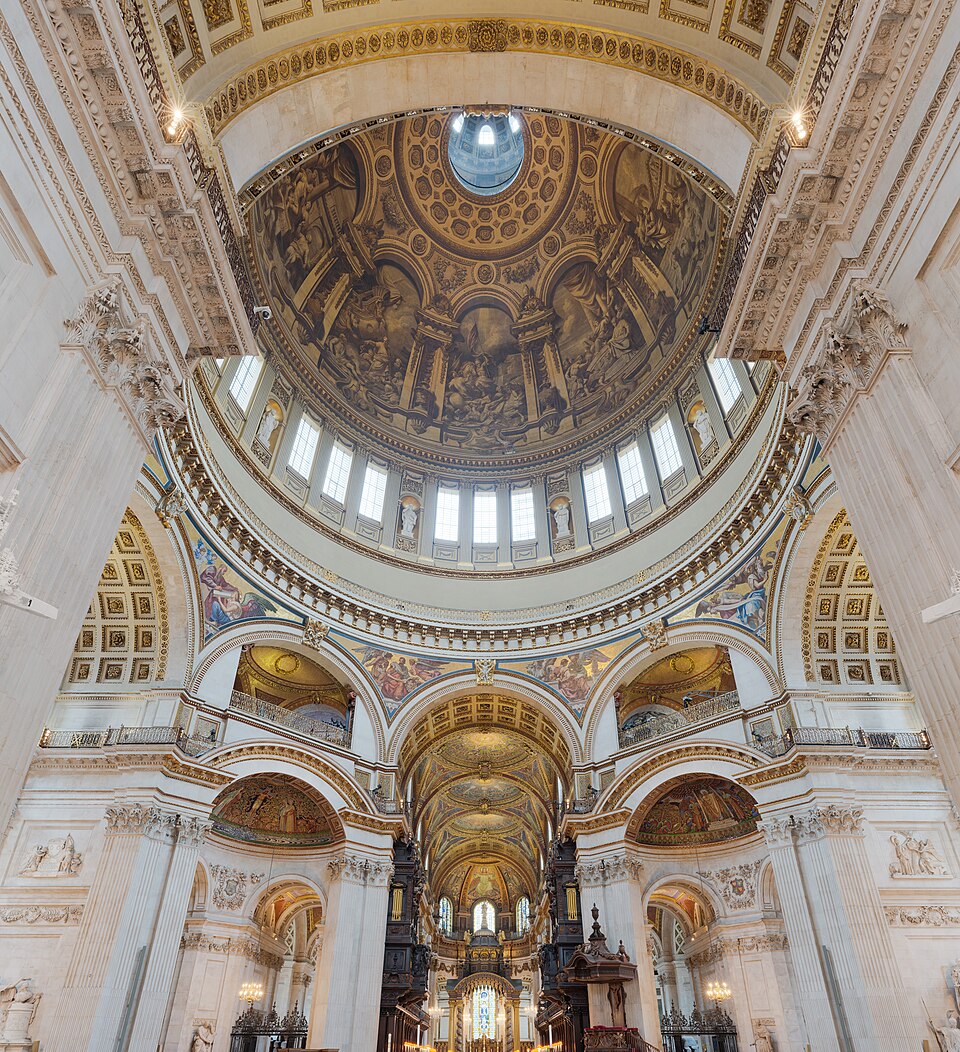
Burney, who knew the older music as well as anyone, saw Boyce’s own gift as a union of his predecessors’ virtues: the learning of Tallis and Byrd, the harmony of Gibbons, the melodic sweetness of Purcell. He died in London on 7 February 1779, aged sixty-seven, and was buried, fittingly, beneath the dome of St Paul’s, the cathedral where he had sung as a boy. Stanley succeeded him as Master of the King’s Band — one blind organist following a deaf one at the head of the King’s music.