A guide to
John Stanley
London 1712 — London 1786
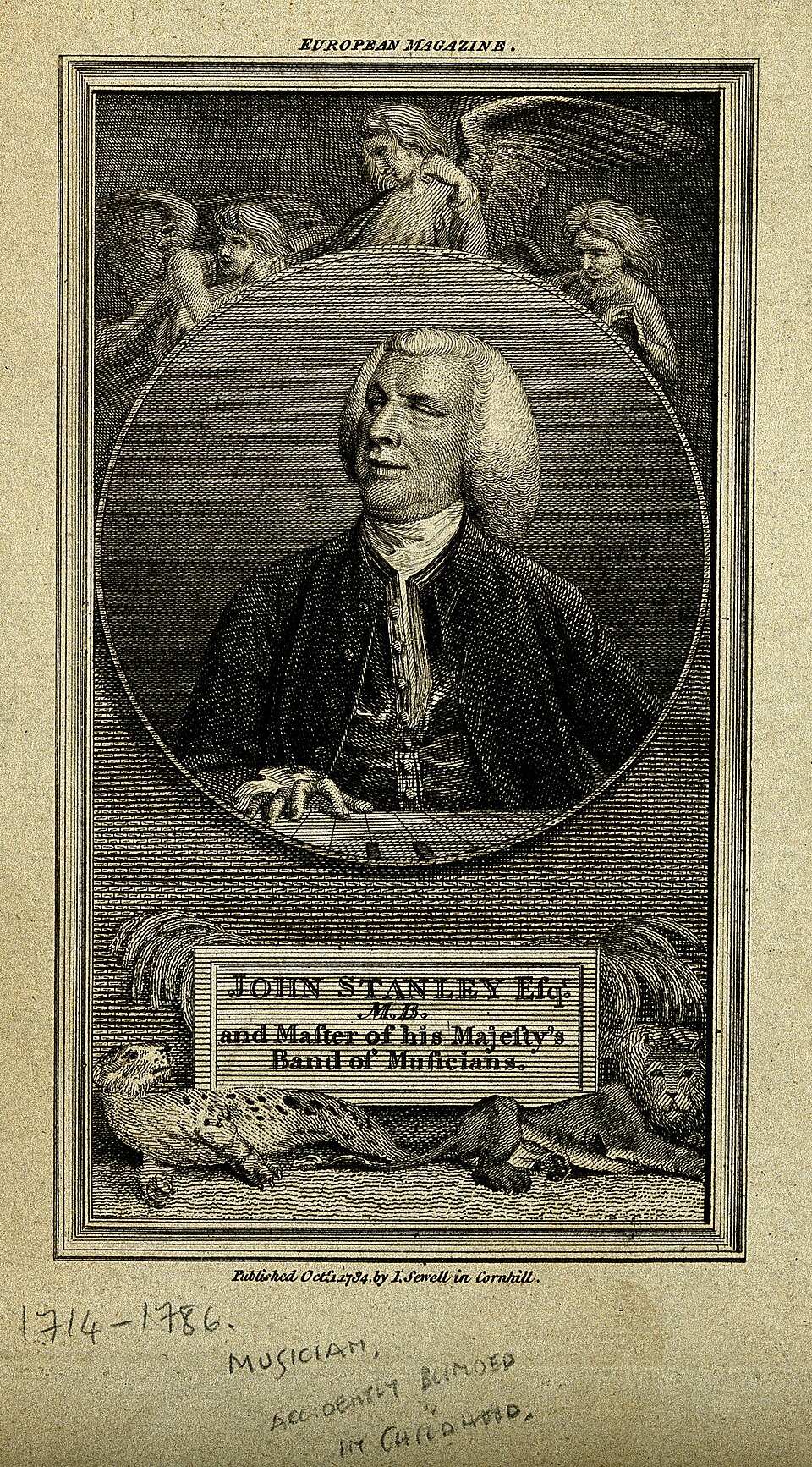
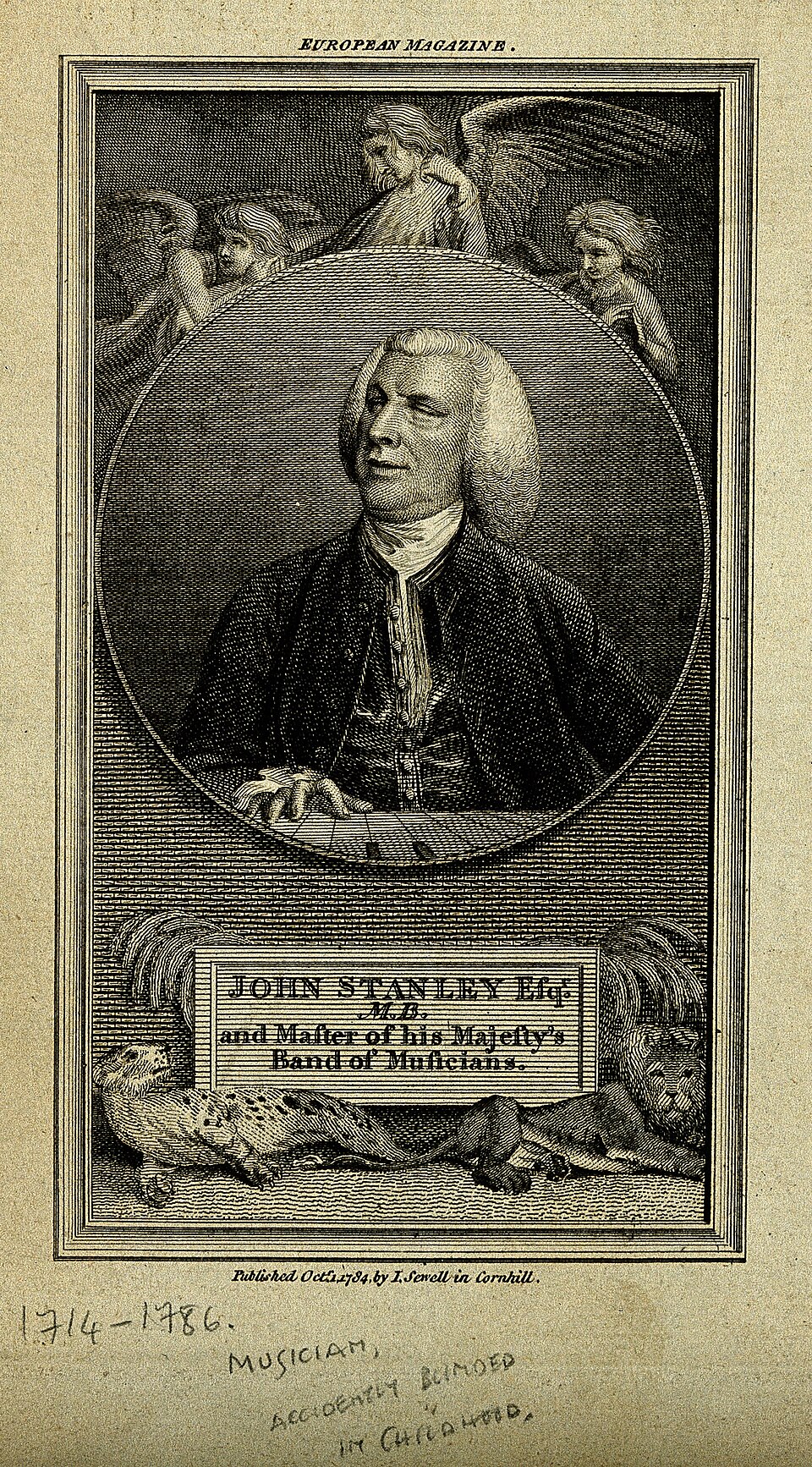
John Stanley was the most celebrated English organist of the eighteenth century — a man blind from infancy who played from memory, drew crowds to his console, and left in his three sets of voluntaries the defining music of the English organ. Born in London on 17 January 1712, he lost his sight at about the age of two in a fall onto a marble hearth while holding a china basin, and never recovered it. It made no difference to the career that followed. He began studying at seven under Maurice Greene, organist of St Paul’s, and, in Charles Burney’s phrase, did so “with great diligence, and a success that was astonishing.”
The prodigy years are almost implausible. He played the organ at All Hallows, Bread Street at nine and was appointed its organist at eleven; at fourteen he was chosen for St Andrew, Holborn; and at seventeen, in 1729, he became the youngest person ever to take the Bachelor of Music degree at Oxford — a record that stood for the better part of two centuries. His memory was prodigious: unable to read a score, he could, it was said, perform any piece after hearing it once, and he memorised whole oratorios on a single hearing.
The voluntaries and Handel
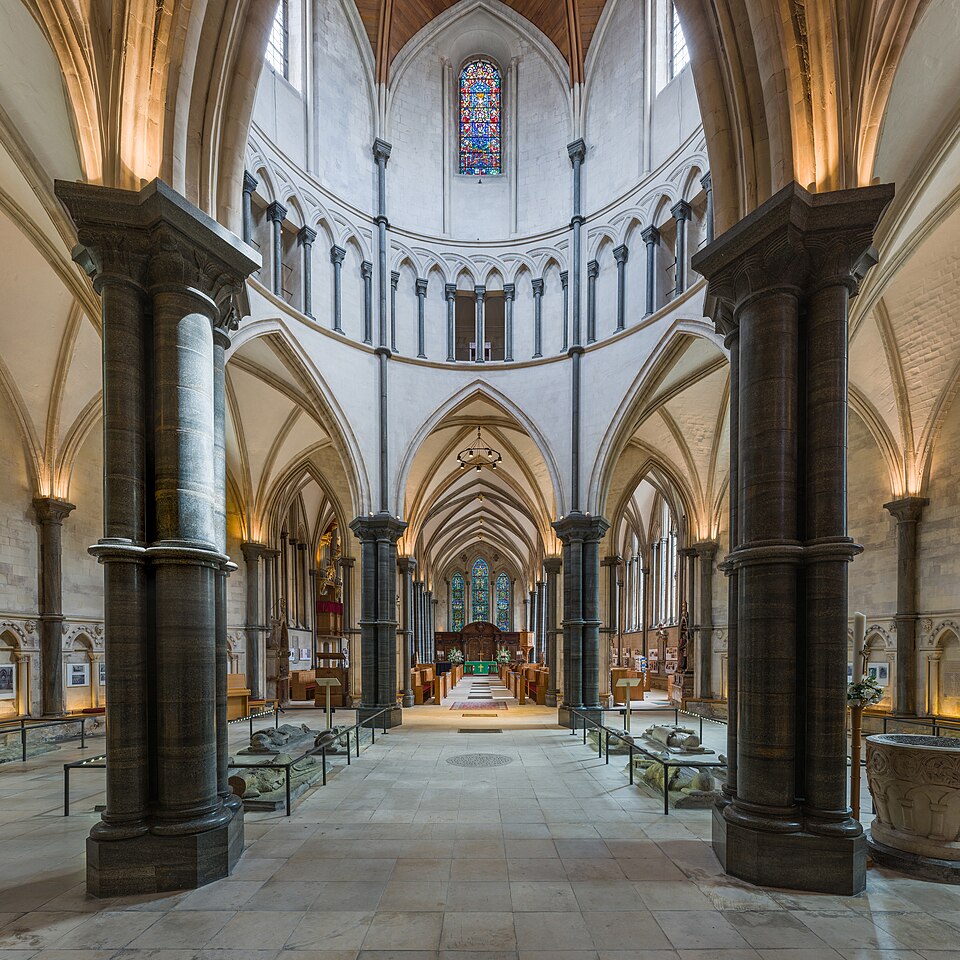
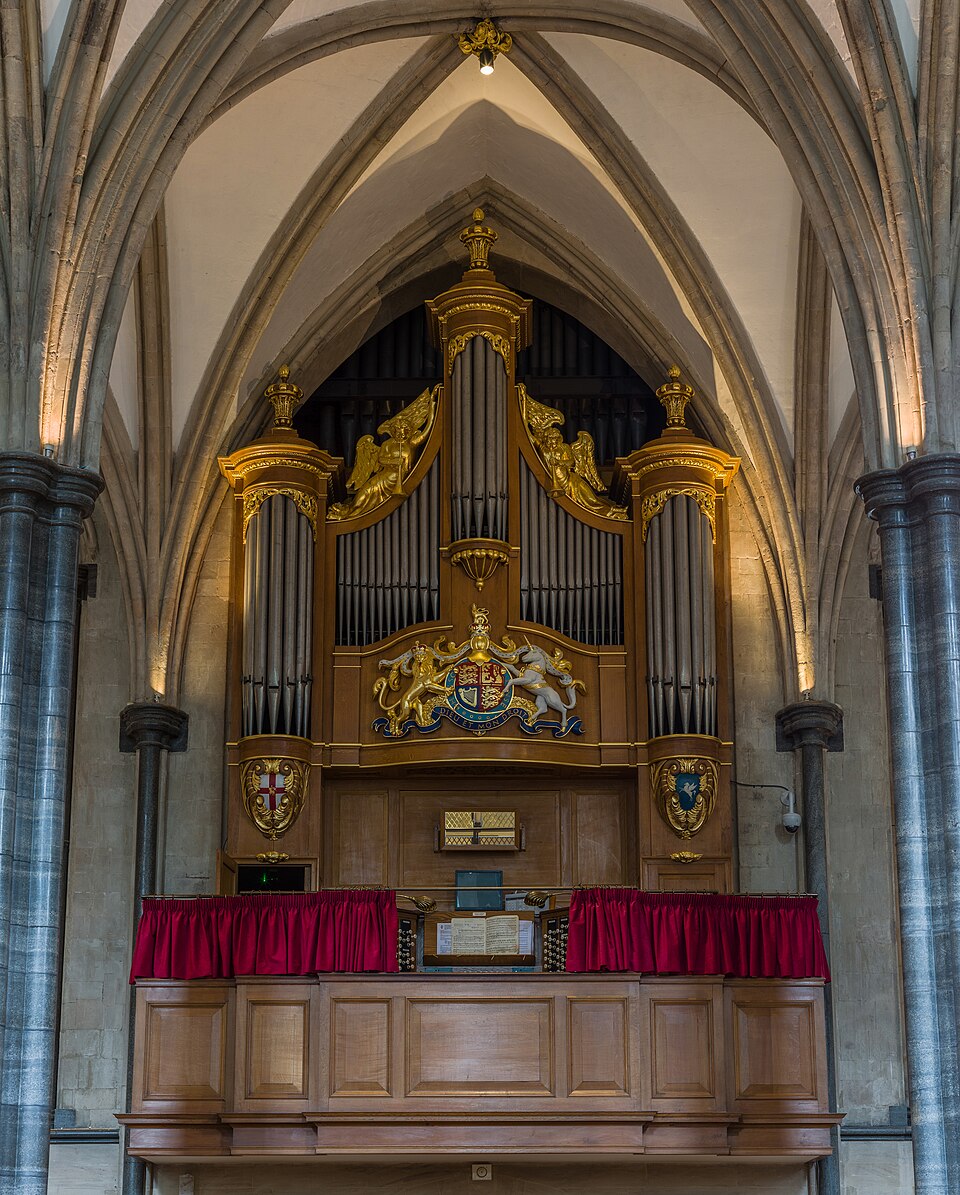
In 1734 Stanley became organist of the Inner Temple, a post he held for the rest of his life, and it was at the Temple Church that his playing became one of the sights of musical London. His Sunday voluntaries were famous enough that, according to Burney, George Frideric Handel himself would sometimes leave his own service at St George’s, Hanover Square, and hurry over to the Temple to hear Stanley’s closing voluntary. Burney noted that Stanley’s blindness “excited the pity” of his hearers — but that his playing needed none.
That reputation rests on his three sets of Ten Voluntaries, published in 1748, 1752 and 1754 as Opp. 5, 6 and 7. They are the classic statement of the English voluntary: a slow, expressive opening movement followed by a brisk one written for a single bright stop — trumpet, cornet, flute — the chamber-organ registers an English congregation knew. Light, tuneful and grateful to play, they have never left the repertoire, and the “trumpet voluntaries” among them are among the best-known organ music in England.
Master of the King’s Band
Stanley’s standing made him a natural heir to the Handel enterprise. After Handel’s death in 1759 he joined John Christopher Smith, Handel’s old assistant, in carrying on the Lenten oratorio seasons, and later directed the Messiah performances at the Foundling Hospital. In 1779 he succeeded William Boyce as Master of the King’s Band of Musicians, the senior court musical post in the land — a blind man at the head of the King’s music.
He died in London on 19 May 1786, aged seventy-four, at his house in Hatton Garden. He is remembered now almost entirely for the voluntaries, but the contemporary verdict was larger: a musician who, robbed of sight before he could speak, became the most admired keyboard player of Georgian England, and whom even Handel crossed London to hear.