A guide to
Camille Saint-Saëns
Paris 1835 — Algiers 1921
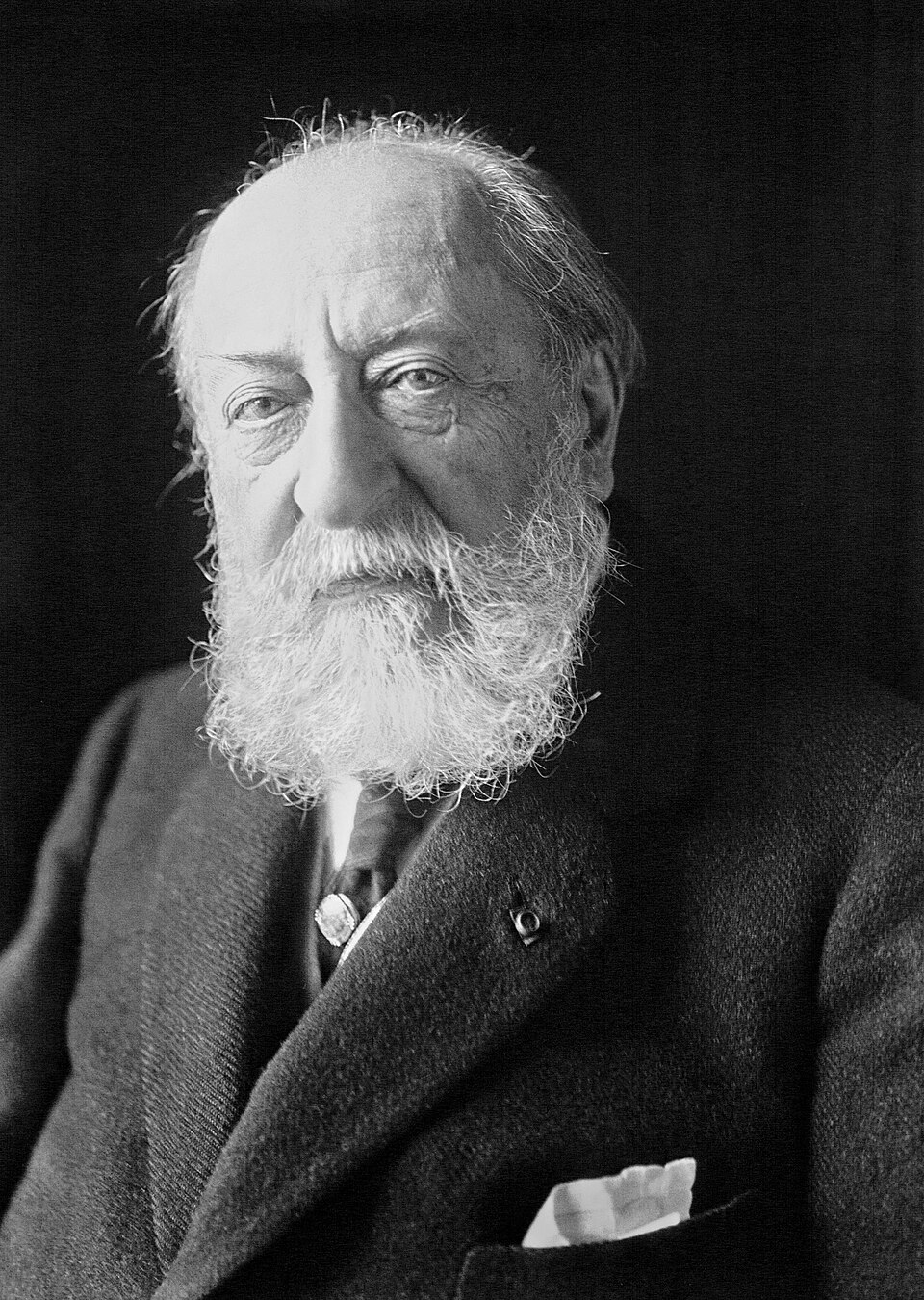
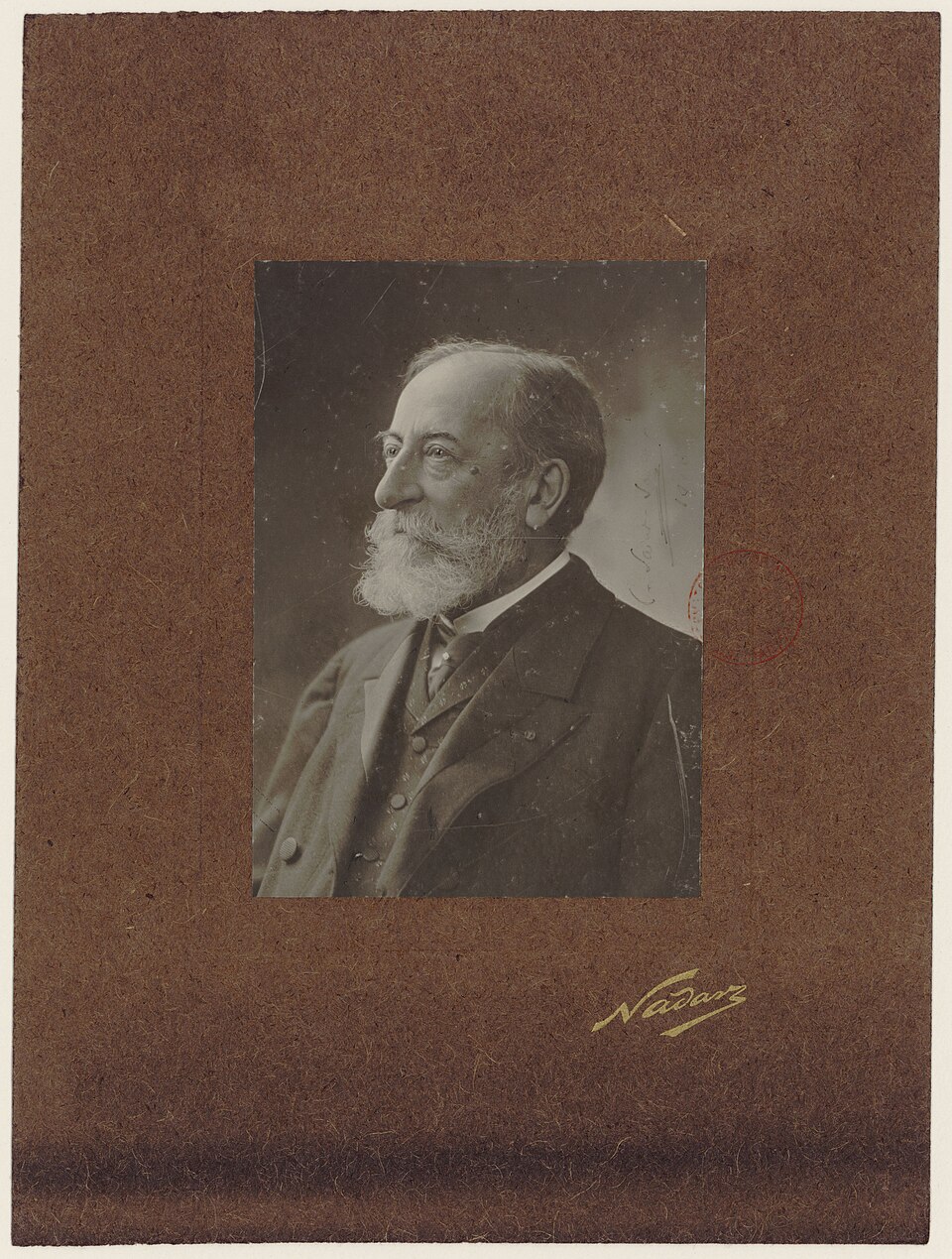
Camille Saint-Saëns was the most complete French musician of his age — composer, conductor, pianist, scholar, and, above all for this library, one of the supreme organists of the nineteenth century. Born in Paris on 9 October 1835, he was a prodigy on the scale of Mozart: he had perfect pitch before he was three, and gave his first public piano recital, playing Mozart and Beethoven concertos, at the Salle Pleyel in 1846, aged ten. He entered the Paris Conservatoire to study organ under François Benoist and carried off its first organ prize in 1851.
His command of the instrument became legendary. After his appointment as organist of La Madeleine in 1858 — the imperial parish church of Second-Empire Paris — his Sunday improvisations drew musicians from across the city. Franz Liszt, hearing him there, is said to have declared him the greatest organist in the world. He held the post for some twenty years before resigning in 1877.
The organist of La Madeleine
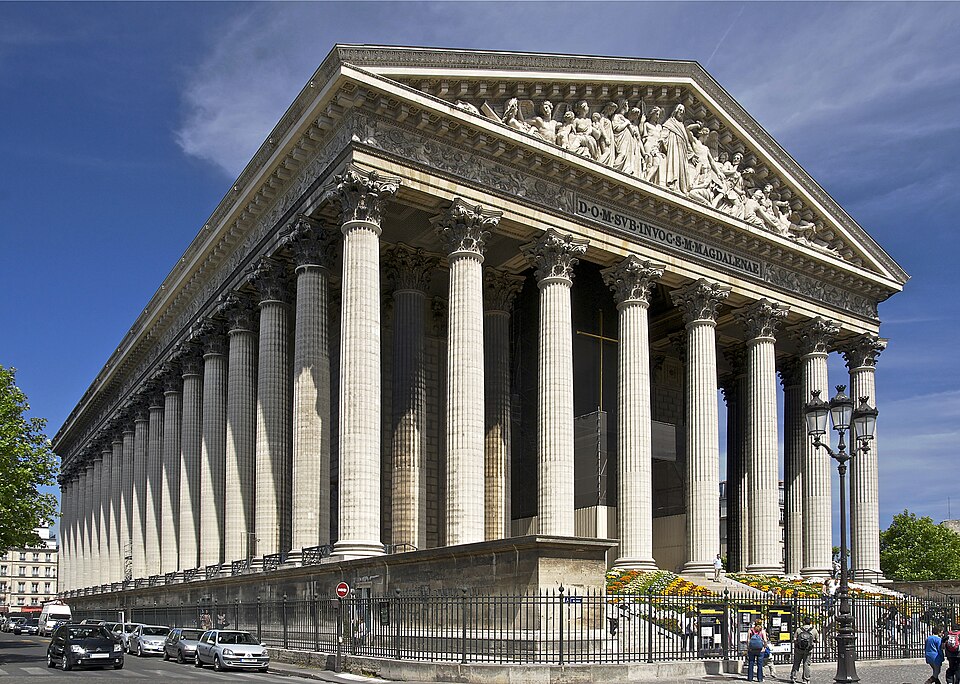
The Madeleine’s organ — a great instrument by Aristide Cavaillé-Coll — was the foundation of his fame, and his pupil Gabriel Fauré, whom he taught at the École Niedermeyer, called him a peerless musician of the bench. From this world came his organ music: the colourful Trois Rhapsodies sur des cantiques bretons on Breton hymn tunes; the two sets of Préludes et Fugues (Opp. 99 and 109) that show his Bach-rooted classicism; service pieces like the Bénédiction nuptiale and the Marche religieuse; and, in his eighties, the Sept Improvisations of 1917, fixing on paper the improviser’s art.
His reach went far beyond the loft. In 1871, with Romain Bussine, he founded the Société Nationale de Musique — “Ars Gallica” — to promote new French music, a body that nurtured a whole generation, Fauré, Franck and Massenet among them. And in his Third Symphony of 1886, the “Organ Symphony,” he brought the king of instruments into the concert hall in one of the grandest gestures of French Romanticism.
At the keyboard
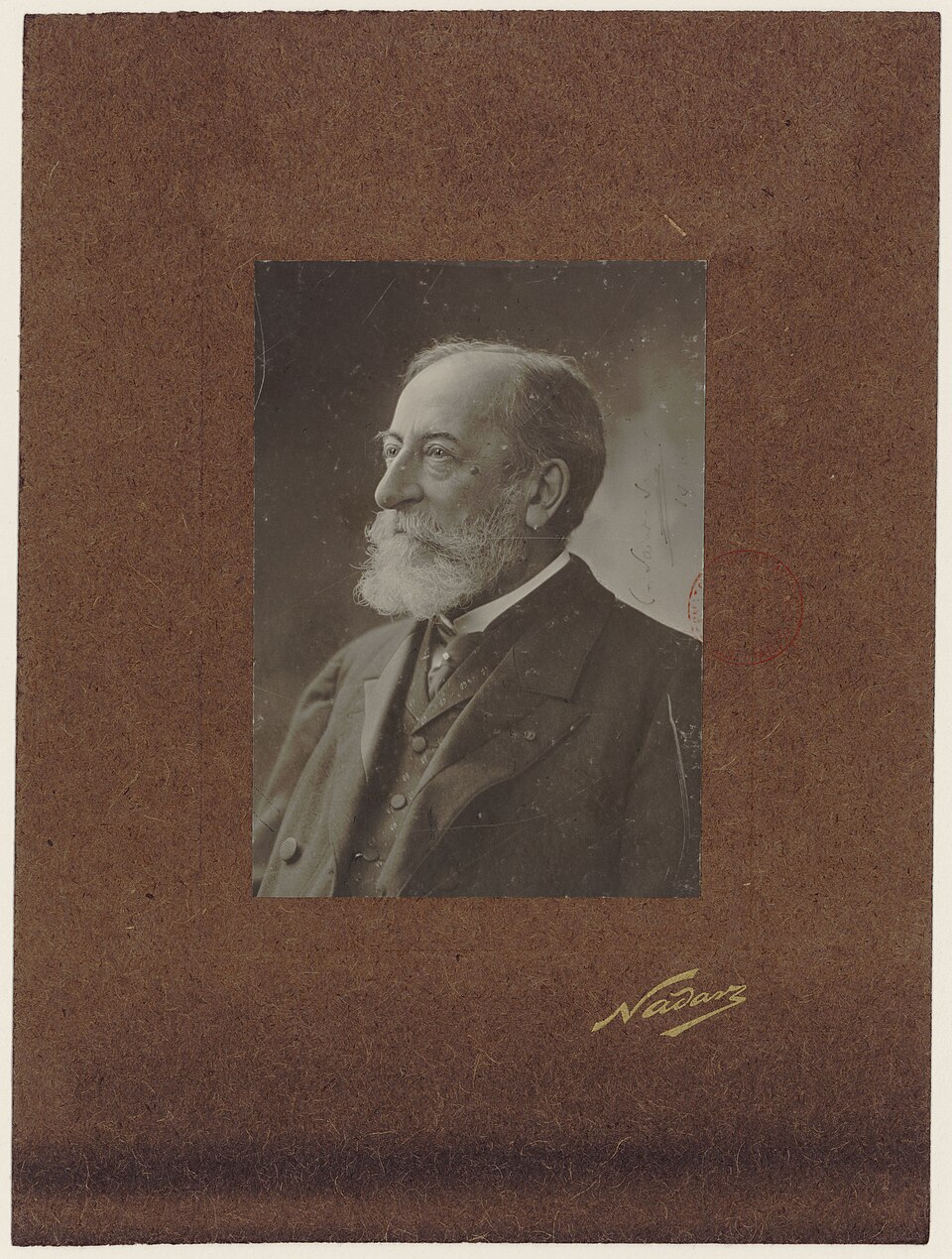
As a pianist Saint-Saëns played to the end of his long life — his final recital came in November 1921, weeks before his death. His solo keyboard output is large if unequal: studies, bagatelles, mazurkas and waltzes, the Six Études Opp. 52 and 111, the late Six Études pour la main gauche seule for the left hand alone, and the genial Album Op. 72. The musicologist Roger Nichols observed that, for all his pianistic gifts, his solo piano music made “curiously little mark” beside the concertos — yet the best of it has the elegance and craft that mark everything he wrote.
Saint-Saëns died in Algiers on 16 December 1921, aged eighty-six, having outlived nearly all his contemporaries; his body was returned to Paris for a state funeral at the Madeleine, the church where he had made his name. He had become, in his last years, a figure from another era — but the organ music he left, lucid and finely made, kept faith with the Bach he had revered since boyhood.