A guide to
Gabriel Fauré
Pamiers, Ariège 1845 — Paris 1924
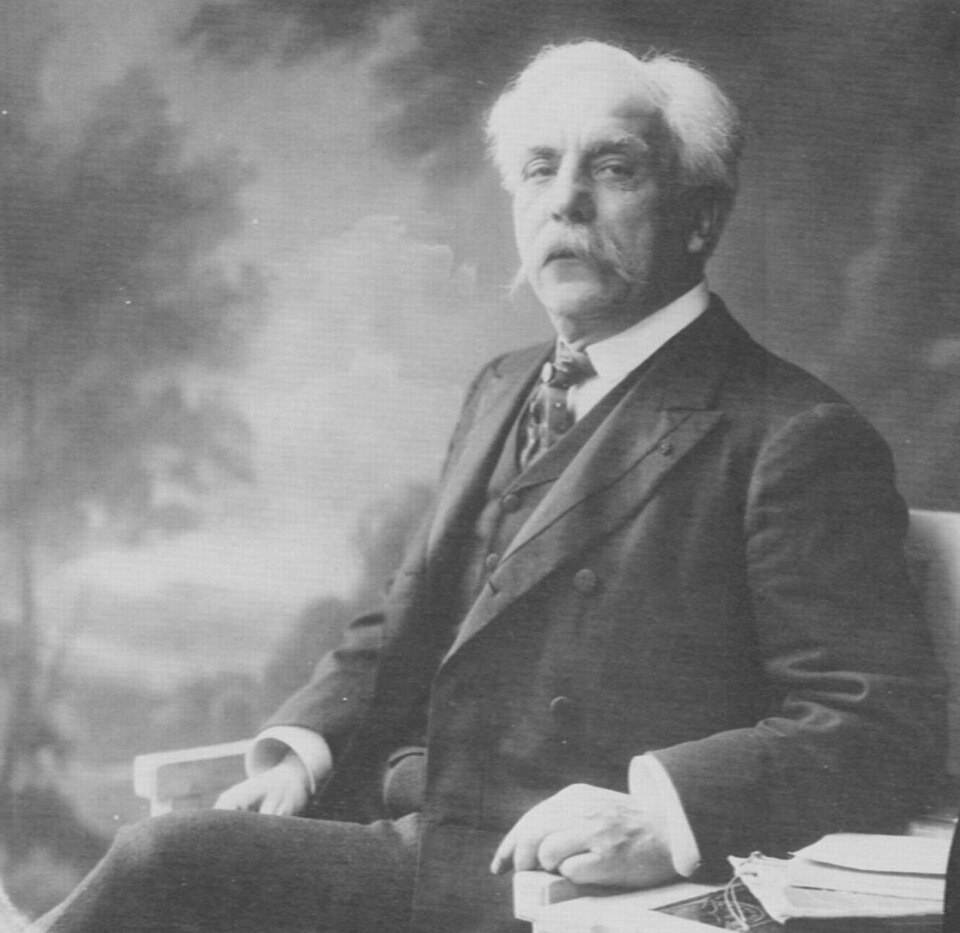
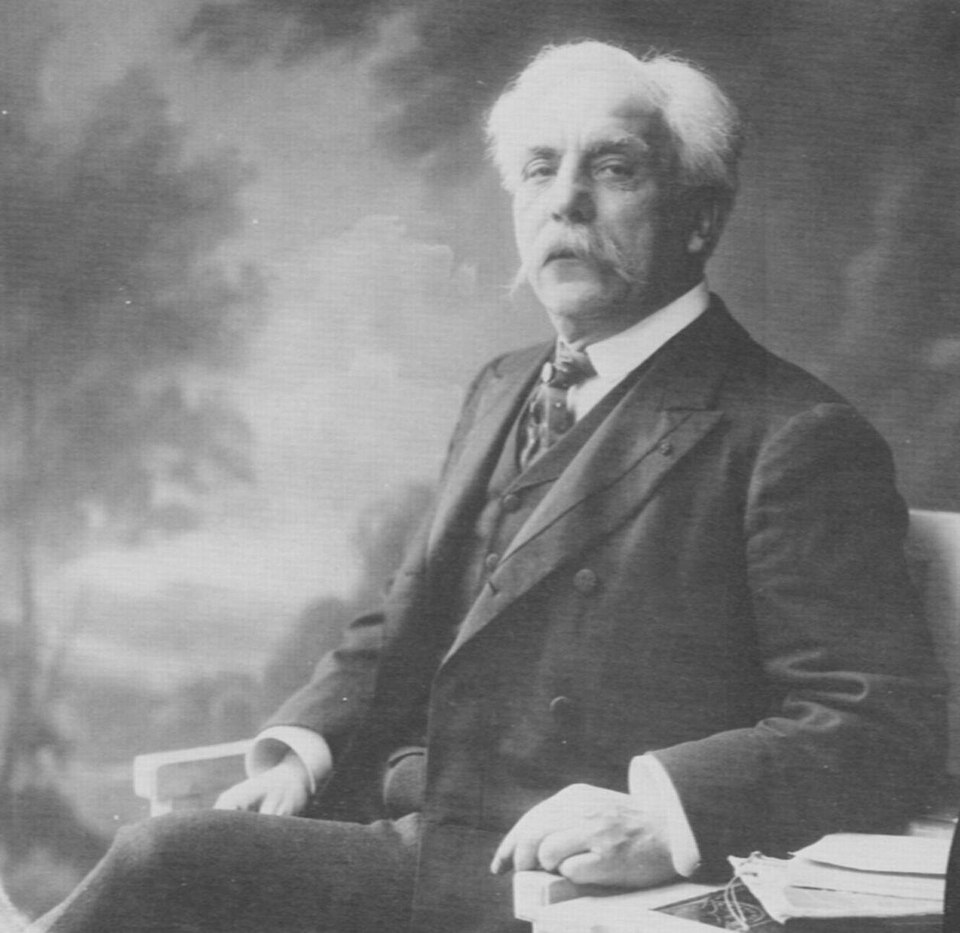
Gabriel Fauré was the most refined French composer of his generation — a master of the song and the piano miniature whose harmonic subtlety opened the door to the music of the twentieth century. Born in Pamiers, in the Ariège, on 12 May 1845, the son of a schoolmaster, he was sent at nine to the École Niedermeyer in Paris, the school for church musicians where he would spend eleven years. There, after the founder’s death in 1861, his piano teaching passed to the young Camille Saint-Saëns — the beginning of a friendship and discipleship that lasted a lifetime; Fauré later recalled it as “an almost filial attachment.”
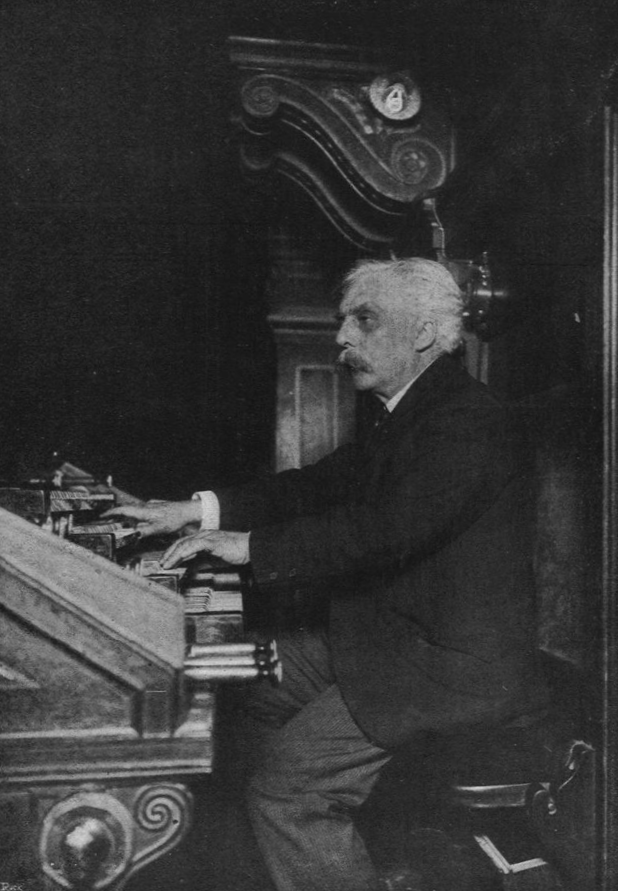
He earned his living, like his master, at the organ. After early posts in Rennes and at Saint-Sulpice, he came to La Madeleine in 1877, rising to chief organist there in 1896. Yet — a curiosity for so devoted a church musician — he wrote almost no solo organ music; his biographer Jessica Duchen has suggested the instrument was “simply not subtle enough” for so delicate a sensibility. His art lived instead at the piano and in song.
The pianist’s poet
Fauré’s piano music is gathered into great cycles spread across his whole life: thirteen Nocturnes, thirteen Barcarolles, the Impromptus, the Valses-caprices, and the towering Thème et variations of 1895. It is music of inwardness rather than display — melodies threaded between the hands, harmonies that slip from key to key with a logic all their own. Even Liszt is said to have found Fauré’s writing awkward under the fingers, for it follows the ear and not the virtuoso’s instinct. Fauré had no patience for mere technique: of the great virtuosos he is reported to have said, “the greater they are, the worse they play me.”
Beyond the keyboard lie the works the wider world knows him by: the serene Requiem, the Pavane, the song cycles, and the Dolly Suite for piano duet, written for the small daughter of a friend. Through all of it runs the same unmistakable voice — gentle on the surface, endlessly searching beneath.
The teacher of a generation
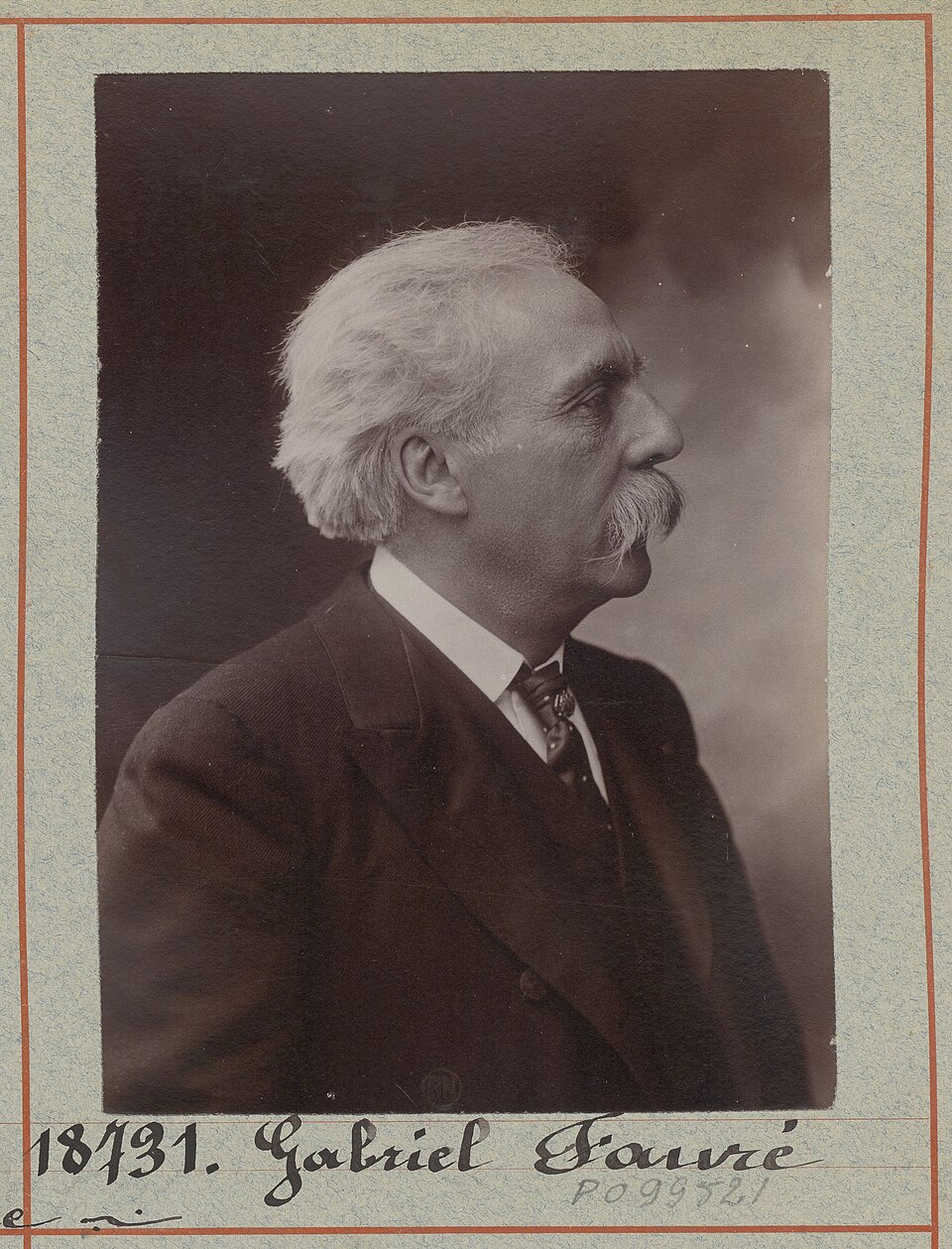
In 1896 Fauré became a professor of composition at the Paris Conservatoire, and in 1905 its director — a post he held until 1920, reforming the institution and teaching, among many others, Maurice Ravel, Nadia Boulanger, Georges Enescu and Charles Koechlin. His influence on French music ran as much through his pupils as through his own scores.
The cruel irony of his last years was a creeping deafness that distorted what he heard, so that high and low notes seemed painfully out of tune. He retired in 1920, and at a great national tribute held in his honour in 1922 he could scarcely hear the music played for him. He died in Paris on 4 November 1924 and was given a state funeral at the Madeleine, the church where he had spent so many years at the organ he never quite loved.