A guide to
Herbert Howells
Lydney, Gloucestershire 1892 — London 1983
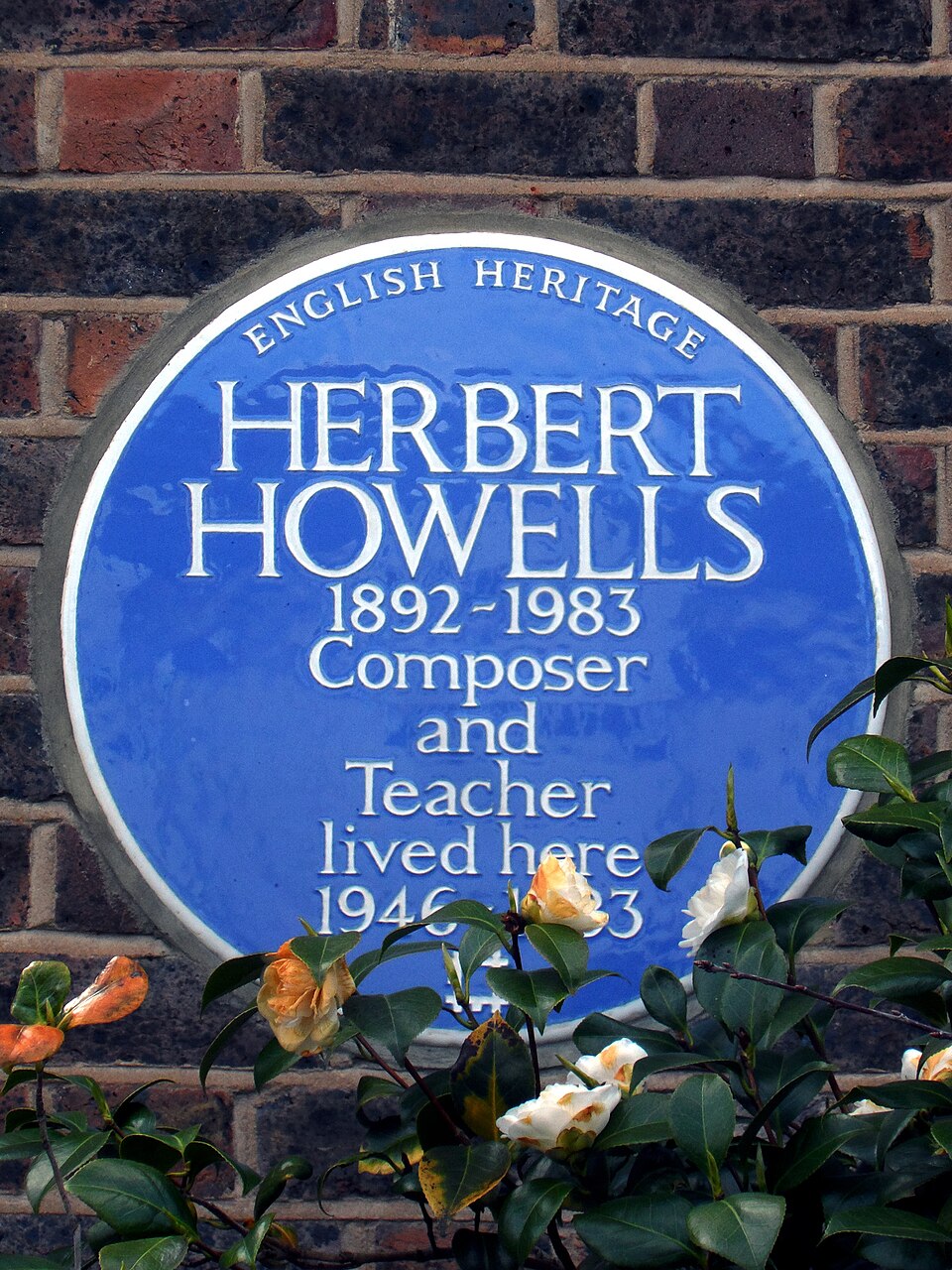
Herbert Howells was the great elegist of English church music — a composer whose canticles and anthems still fill the cathedrals of England, and whose deepest music grew directly out of the worst grief of his life. Born in Lydney, Gloucestershire, on 17 October 1892, the youngest of six children, he came up through the West Country of Elgar and the Three Choirs Festival, and never really left it; the long Gothic naves of the Severn valley are written into everything he composed. He died in London on 23 February 1983, aged ninety, and his ashes lie in Westminster Abbey.
He trained from 1912 at the Royal College of Music, in the formidable composition class of Charles Villiers Stanford, alongside Hubert Parry and Charles Wood, and in the company of the poet-composer Ivor Gurney, who became his closest friend. Stanford, notoriously hard to please, came to call Howells his “son in music” and left him, at his death, a signet ring the younger man wore for the rest of his life.
Michael, and the turn to elegy
The central event of Howells’s life was a catastrophe. In September 1935 his son Michael, aged nine, fell suddenly ill with poliomyelitis while the family was on holiday, and died within days. Howells never wholly recovered, and his music turned inward toward mourning; as one account puts it, “after his death, everything Howells wrote related in some form or other to the memory of his son.”
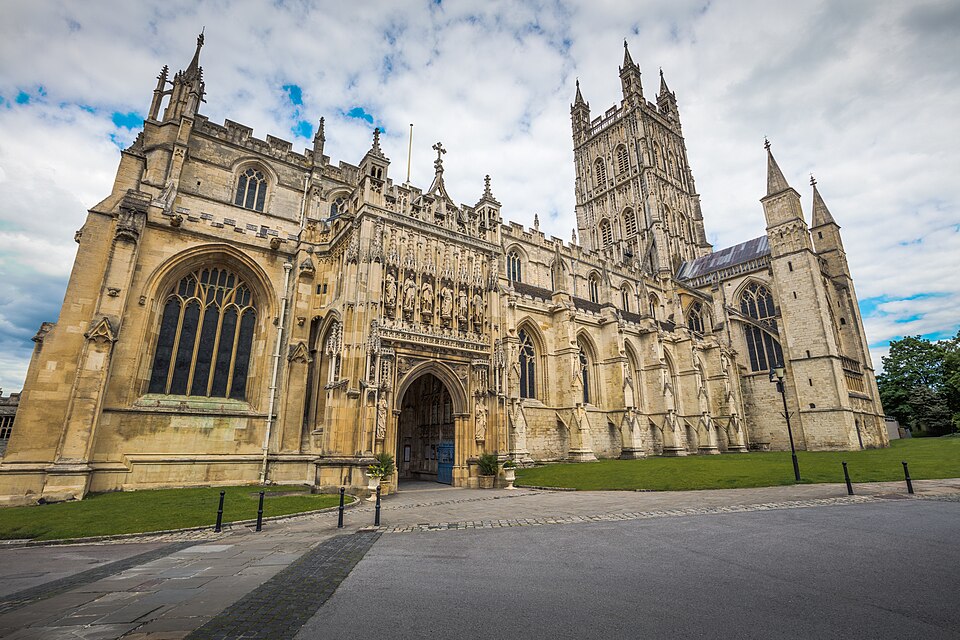
Out of that loss came his masterpiece. Drawing on a Requiem he had set aside years before, he composed, between 1936 and 1938, Hymnus Paradisi — a private act of grieving he called “a personal, almost secret document,” and would not allow to be performed. Only after years of urging — by Herbert Sumsion and Gerald Finzi, and then by Ralph Vaughan Williams — did he relent. It was premiered at the Three Choirs Festival in Gloucester Cathedral on 7 September 1950, in the county of his birth, fifteen years after Michael’s death.
The organ and the cathedral
Long before Hymnus Paradisi, Howells had made himself a master of the organ. The three Rhapsodies, Op. 17 (1915–1918) are early proof: the third, in C-sharp minor, was written in York during a wartime Zeppelin raid on the city and dedicated to Edward Bairstow, organist of York Minster. He served as assistant organist at Salisbury Cathedral, and his later organ works — the two sets of Psalm-Preludes, and Master Tallis’s Testament from the Six Pieces — are repertoire to every cathedral organist. Listen, in the Psalm-Preludes, for how a single line of scripture rather than a hymn tune sets the whole mood — Howells preaching without words.
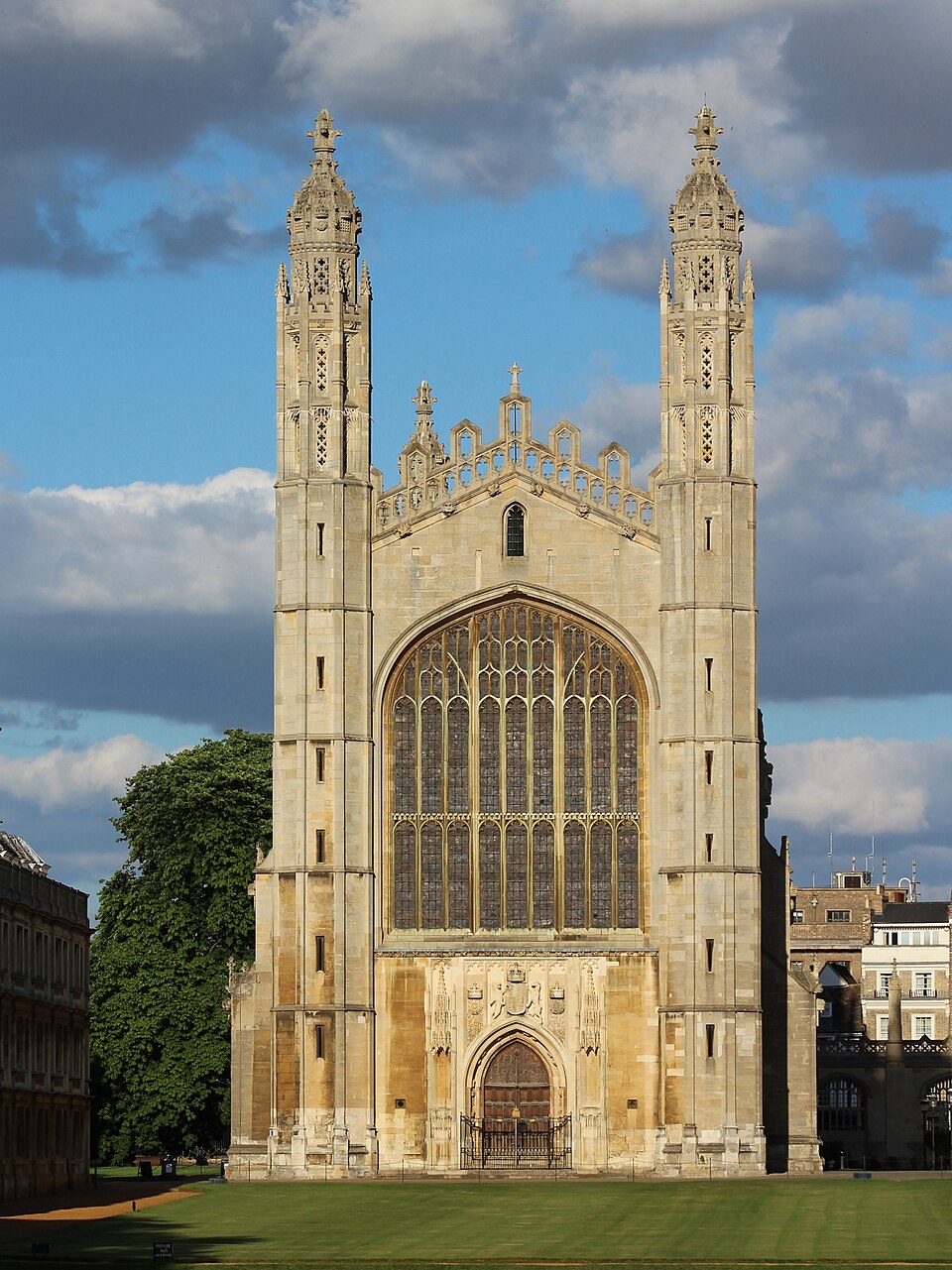
But it is his Anglican service music that made him a daily presence in English worship. The Collegium Regale settings, written for King’s College, Cambridge, the Gloucester Service, the great evening canticles for cathedral after cathedral, the anthem Like as the hart — these are sung somewhere in England almost every day. He carried the work of his teachers forward: when he succeeded Gustav Holst as Director of Music at St Paul’s Girls’ School in 1936, and through six decades of teaching at the Royal College, he stood at the very centre of twentieth-century English church music.
Legacy
Howells was made a CBE in 1953 and a Companion of Honour in 1972, and was King Edward VII Professor of Music at the University of London. But the measure of him is not the honours. It is that a private grief, refused the stage for fifteen years, became the public consolation of a whole tradition — and that the cathedrals he loved as a Gloucestershire boy still ring, evening after evening, with the music he wrote for them. The most personal of composers became the most constantly heard.