A guide to
John Blow
Newark-on-Trent, Nottinghamshire 1649 — Westminster, London 1708
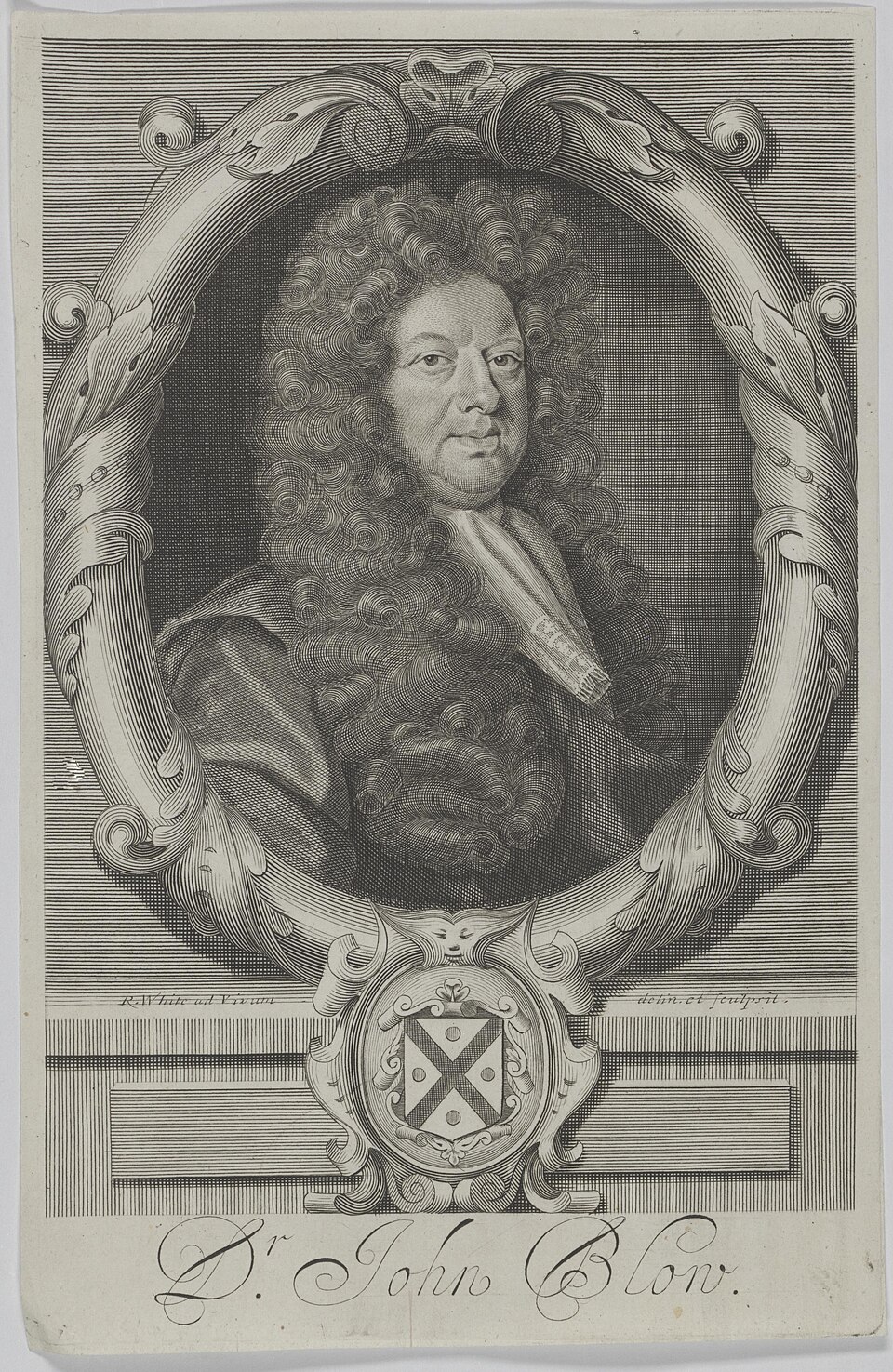
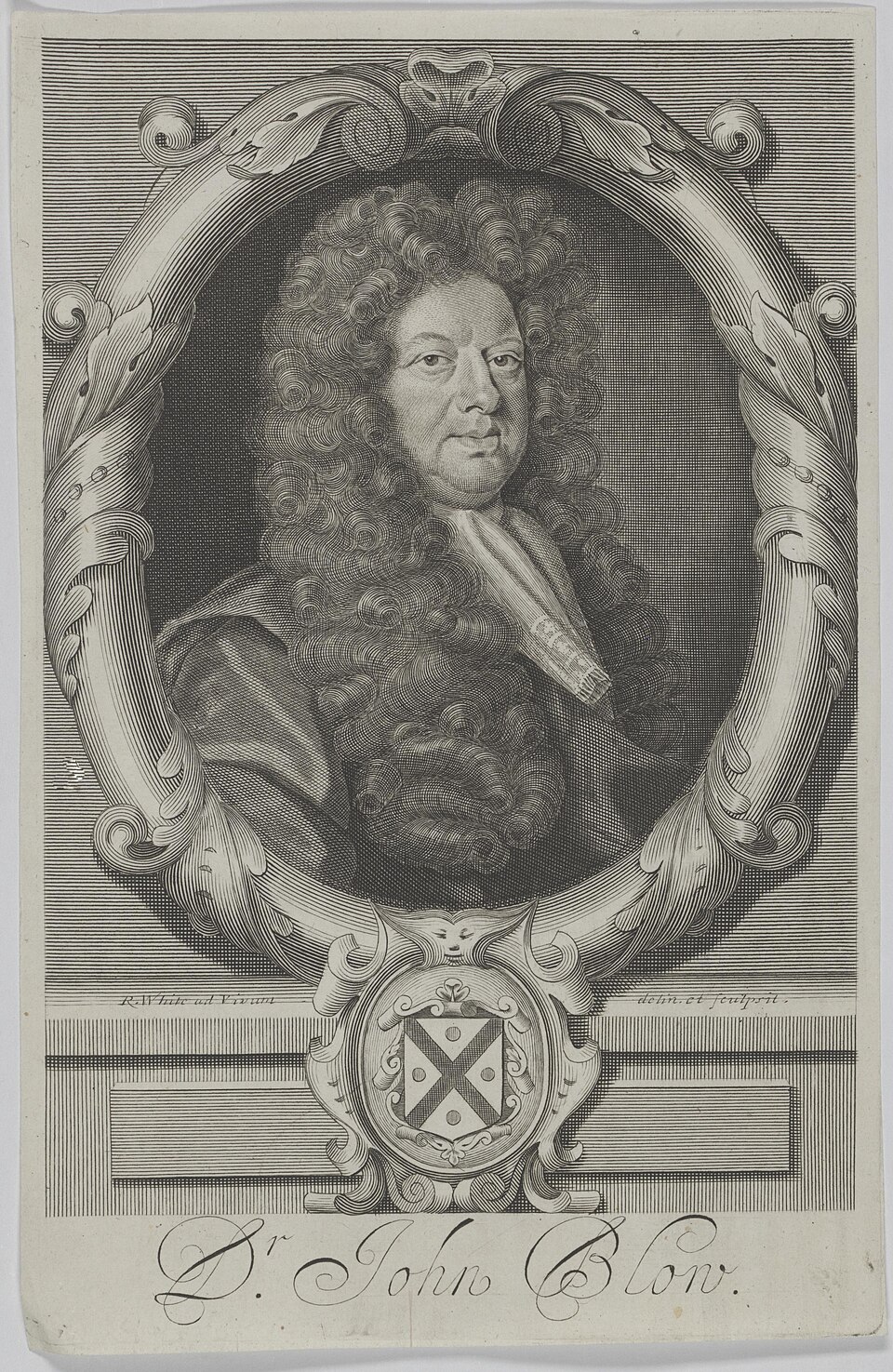
John Blow was the senior figure of English music in the generation around Henry Purcell — the teacher who trained the greatest English composer of the age, and the man who held the chief musical posts of Restoration London across forty years. Baptised at Newark-on-Trent, Nottinghamshire, on 23 February 1649, he was brought to London as a boy to sing in the Chapel Royal, where he showed such early gifts that he was composing anthems while still a chorister.
His advancement was swift and lasting. In 1668, barely out of his teens, he became organist of Westminster Abbey; in 1674 he was made both a Gentleman and Master of the Children of the Chapel Royal, charged with training its boys; and in 1687 he added the post of Master of the Choristers at St Paul’s Cathedral. He stood, in short, at the head of nearly every choir that mattered in the kingdom.
Teacher of Purcell
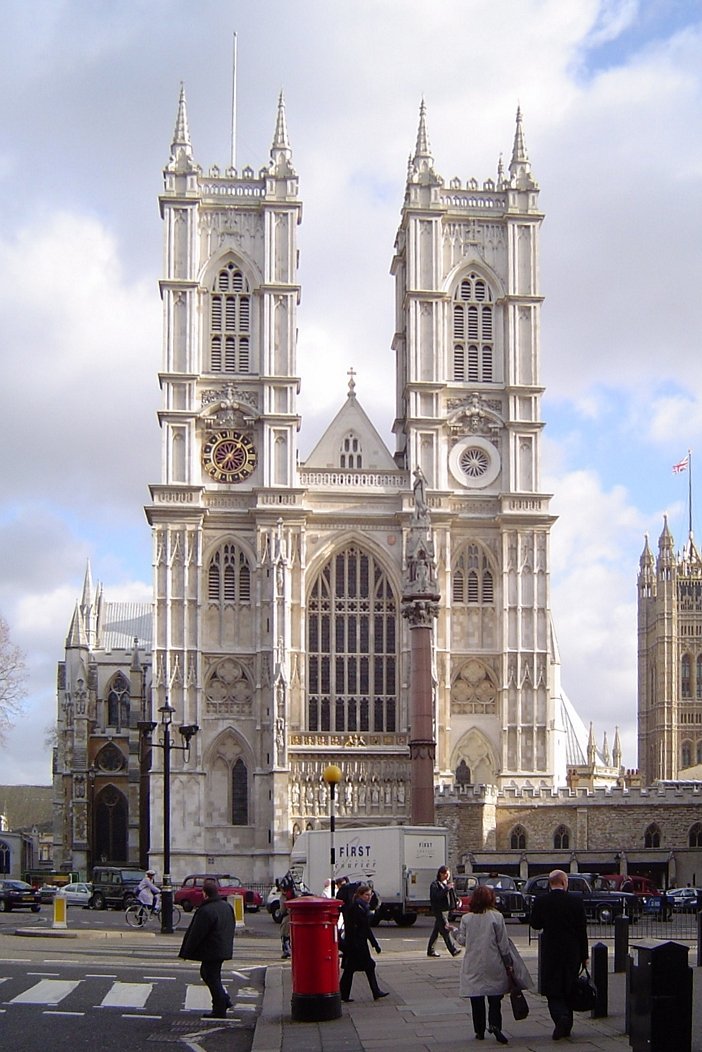
Blow’s most famous act of generosity defines his place in history. In 1679 he gave up the Westminster Abbey organ to his brilliant young pupil Henry Purcell — a rare instance of a master stepping aside for the student who had surpassed him. After Purcell’s early death in 1695, Blow returned to the bench he had vacated and held it to the end of his life. Among his other pupils were William Croft and Jeremiah Clarke, so that much of the next generation of English church music descended from his teaching.
His own output was large: services and odes for royal celebrations, more than a hundred anthems, and, in 1700, the printed song collection Amphion Anglicus. His single stage work, the masque Venus and Adonis (c. 1683), is now seen as the direct ancestor of Purcell’s Dido and Aeneas — a through-composed English entertainment with a tragic close, the model on which his pupil built.
At the keyboard
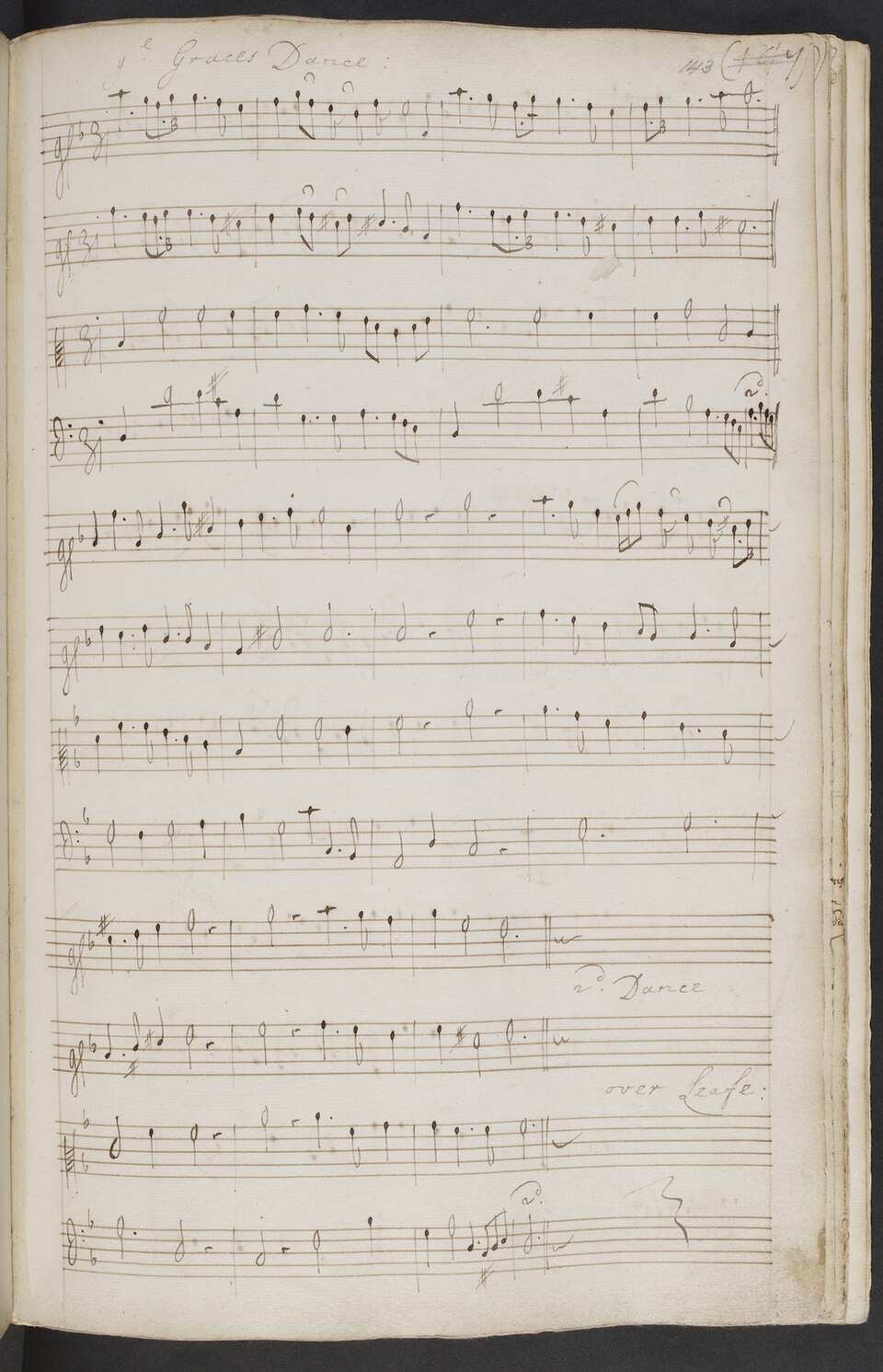
Blow’s keyboard music belongs to the same plain English world as his pupil’s. For the organ he left settings and voluntaries for the service, and for the harpsichord short suites, preludes, and pieces over a ground bass — Mortlack’s Ground among them — in which a repeating pattern in the bass supports an ever-changing line above. It is unpretentious music, written for the daily work of the choir loft and the teaching room rather than for display.
Blow died in Westminster on 1 October 1708 and was buried in the Abbey, not far from Purcell. His epitaph there names him “Master to the famous Mr H. Purcell” — a teacher content, in death as in life, to be remembered through the pupil he had raised up. A century and a half later William Boyce gathered Blow’s anthems into his Cathedral Music, keeping the old master’s name alive in the English choir stalls.