A guide to
Antonio Soler
Olot, Catalonia 1729 — El Escorial 1783
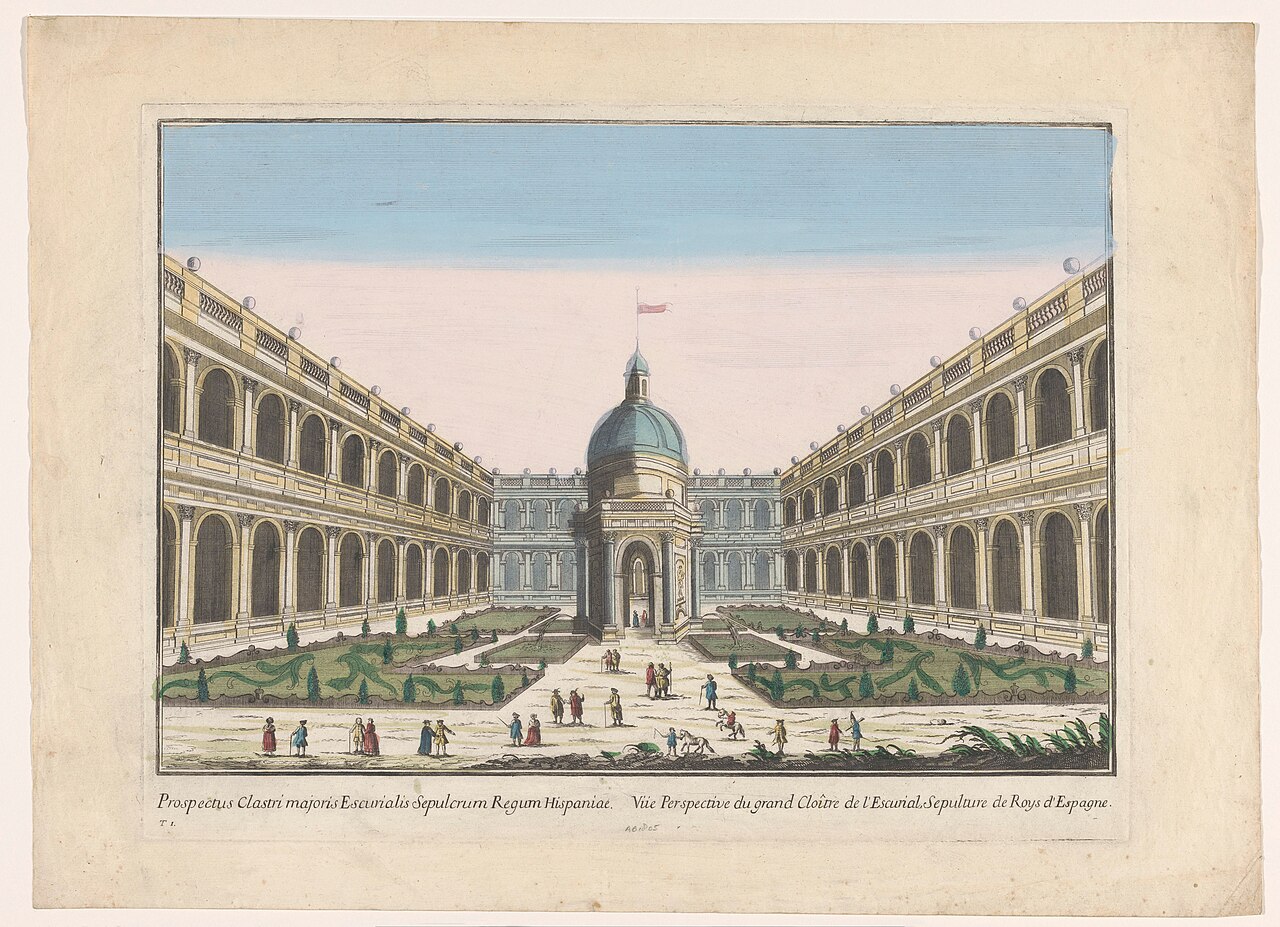
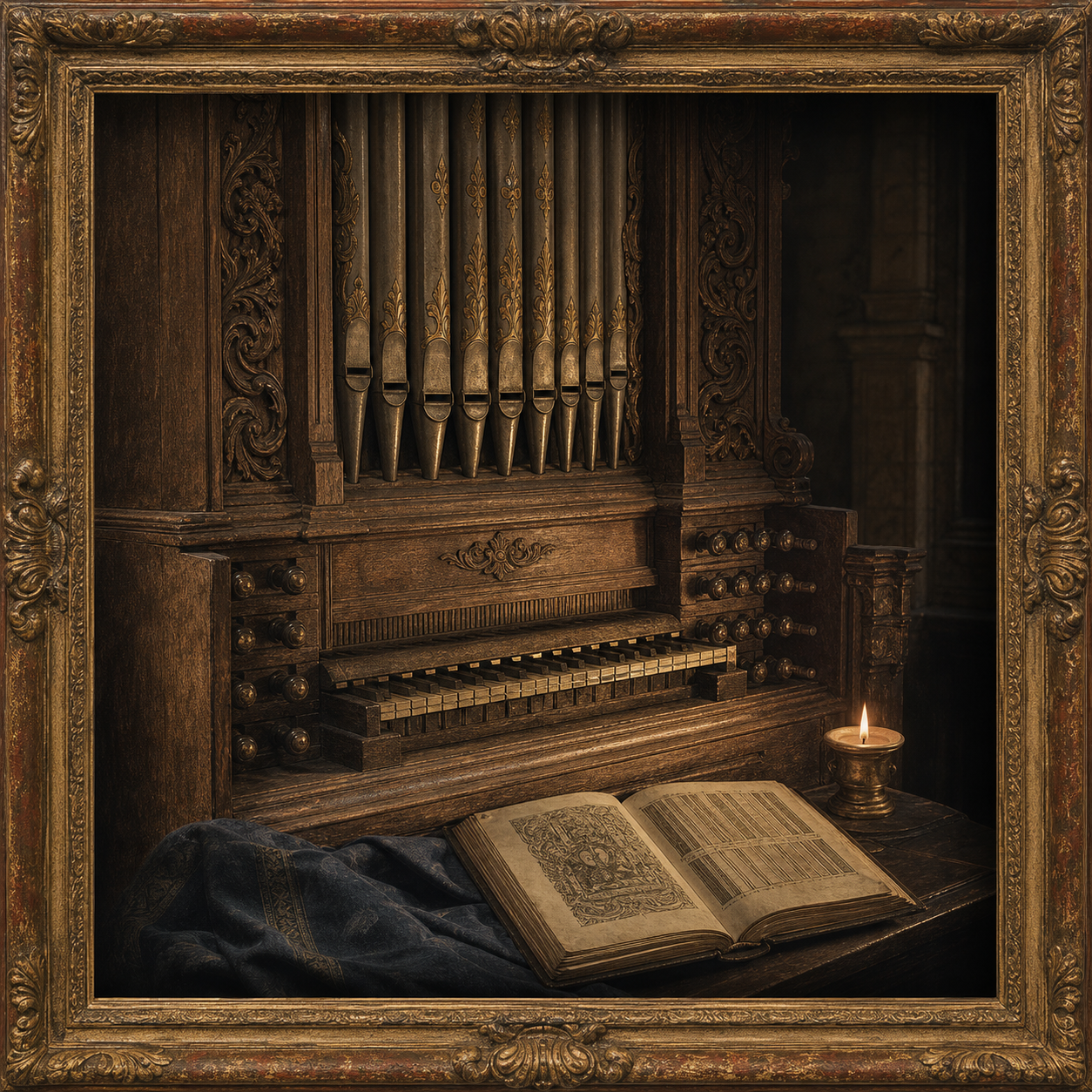
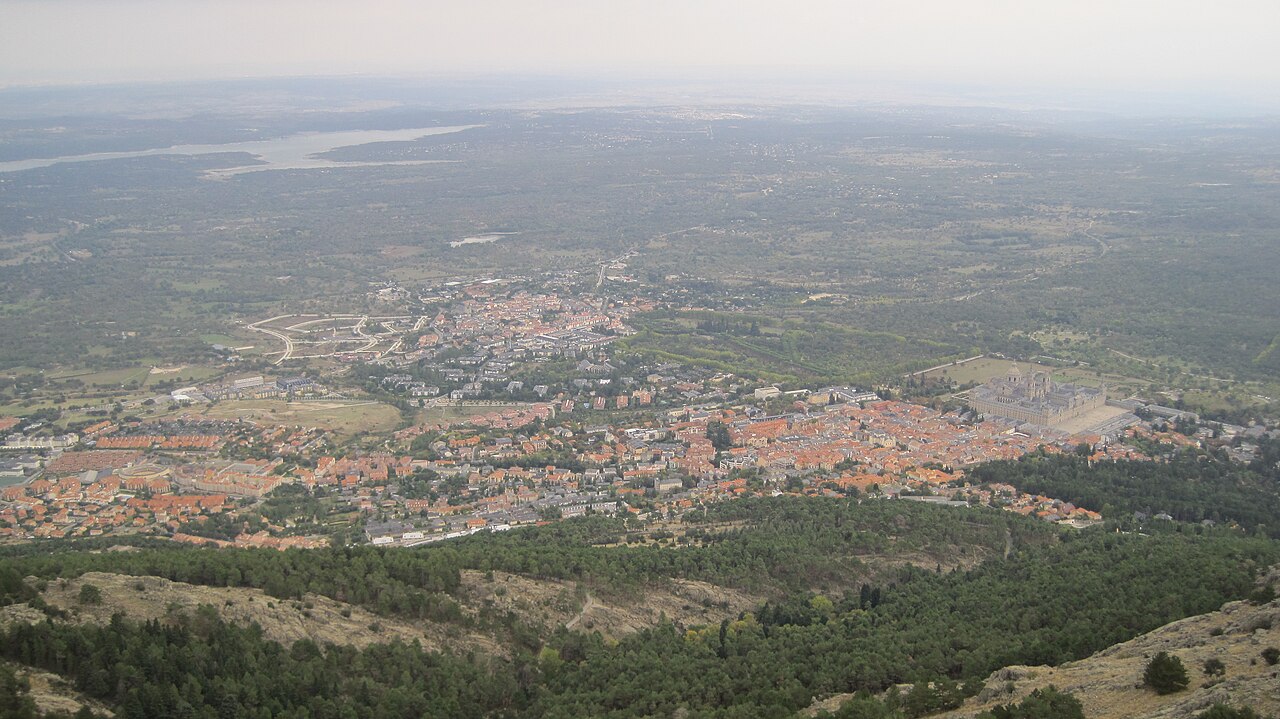
Antonio Soler was a Hieronymite monk who lived almost his whole adult life inside one building — the vast granite monastery-palace of San Lorenzo de El Escorial, north-west of Madrid — and who wrote, from that cloister, the most brilliant keyboard music Spain produced in the eighteenth century. He left some 150 keyboard sonatas, a famous (if now contested) Fandango, six concertos for two organs, a shelf of church music, and a theoretical treatise so bold that it provoked a public quarrel. He is the great heir of Domenico Scarlatti on Spanish soil, and, like Scarlatti, a composer whose single-movement sonatas reward the curious listener immediately.
He was baptised in Olot, in Catalonia, on 3 December 1729, and entered the celebrated choir school of the mountain monastery of Montserrat as a small boy, where he was trained as chorister, organist and composer. By his early twenties he had served as a church musician in Lleida; then, in 1752, he was admitted as a novice at El Escorial, and the following year took holy orders as a Hieronymite. There he remained until his death, holding the post of organist and choirmaster (maestro de capilla) and reportedly keeping the punishing working day of a monastic musician who was also a tireless composer and theorist.
Scarlatti’s pupil
Soler’s keyboard sonatas grow directly out of the world of Domenico Scarlatti, who had spent his last decades at the Spanish court and whose harpsichord sonatas were the marvel of the peninsula. Soler is traditionally named as Scarlatti’s pupil — the connection is repeated in the standard reference literature, though the documentary evidence is thin and many writers hedge it as “according to some sources.” What is not in doubt is the kinship of the music: the same single-movement binary form, the same crackling repeated notes and hand-crossings, the same appetite for sudden, far-flung modulations and the snap of Spanish dance.
But Soler is no mere imitator. Where Scarlatti’s sonatas almost always stand alone, Soler experimented with grouping movements together, and he laced his music with unmistakably local colour — the trumpet-stop fanfares of the sonata nicknamed De Clarines, the guitar strums and Andalusian cadences that turn the keyboard into a folk instrument. He also studied with the senior court composer José de Nebra, the other great formative influence on his church style. The sonatas were catalogued in the twentieth century by the Escorial monk and scholar Father Samuel Rubio, whose “R.” numbers are now standard.
The Fandango and the Llave
The piece the world long knew best under Soler’s name is the Fandango (R.146) — a single, hypnotic Andalusian dance built over an unchanging two-bar harmonic ground, spun out across some ten minutes of escalating dissonance and rhythmic drive. It is one of the most viscerally exciting things in the eighteenth-century keyboard repertory. It is also, awkwardly, of doubtful authorship: the very scholar who catalogued Soler, Samuel Rubio, having first accepted it, later wrote that he was “compelled to cast a doubt” on the attribution. The Fandango may or may not be Soler’s; the sonatas, beyond question, are.
In 1762 Soler published his theoretical treatise, the Llave de la modulación (“The Key to Modulation”), a startlingly forward-looking study of how to move between distant keys. Its daring sat ill with conservative colleagues, and it drew published attacks — the kind of harmonic adventuring that the modulations of the sonatas put into practice. Soler’s restless ear extended even to acoustics: his work on temperament and microtones led him, by his own account, to devise a small experimental tuning instrument he called the afinador, built to set an organ’s intervals more exactly.
El Escorial and after
From 1766 Soler served as music teacher to the Infante Don Gabriel, the cultivated younger son of King Charles III, and many of the sonatas are thought to have been written for this royal pupil — which is why so many survive in the elegant manuscripts of the royal collection. The Infante was a serious amateur, and the steady demand of a princely student helps account for the sheer number of pieces Soler produced.
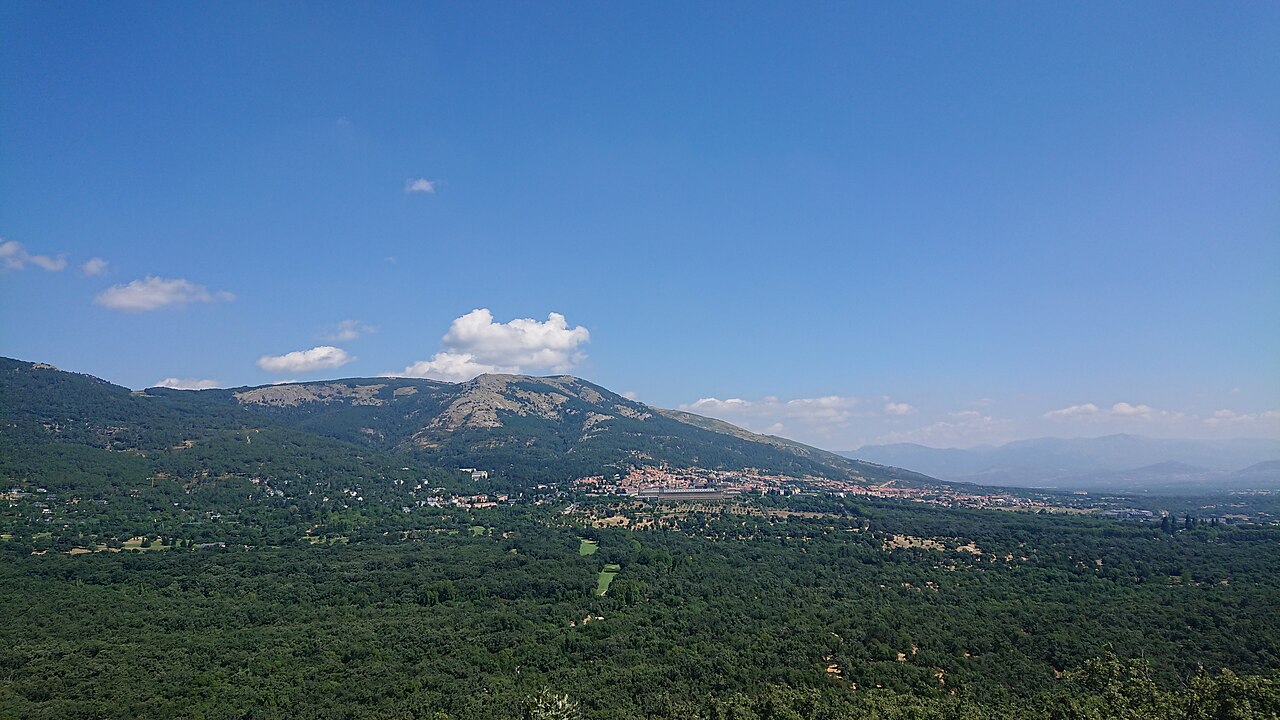
He died at El Escorial on 20 December 1783, aged fifty-four, and was buried in the monastery he had never really left. This catalogue has not yet identified an authenticated likeness of him. What survives beyond question is the music: the sonatas that stand beside Scarlatti’s at the head of the Spanish keyboard tradition, kept alive in the twentieth century by harpsichordists and pianists alike, and the work of a Catalan monk who, from one granite building on a Castilian hillside, made some of the brightest keyboard music of his age.