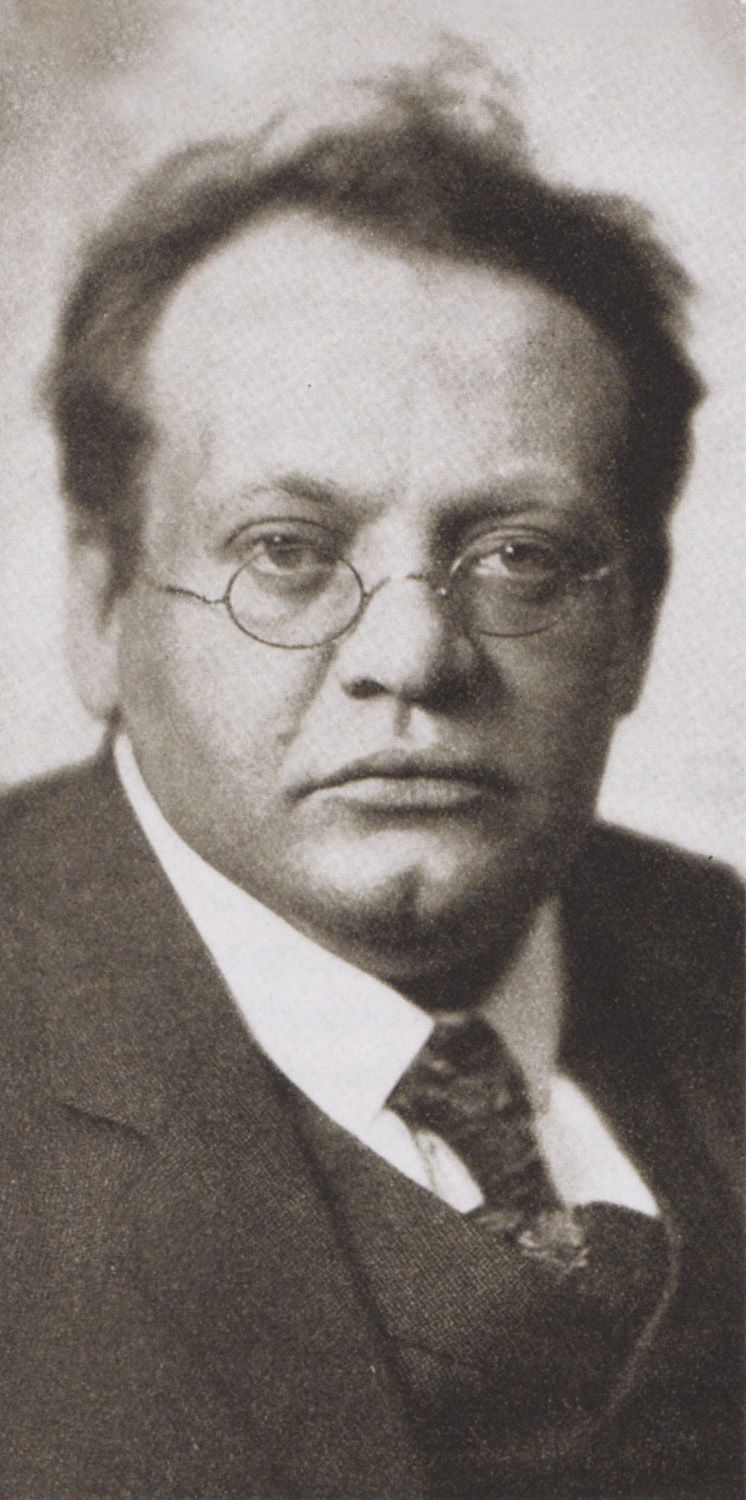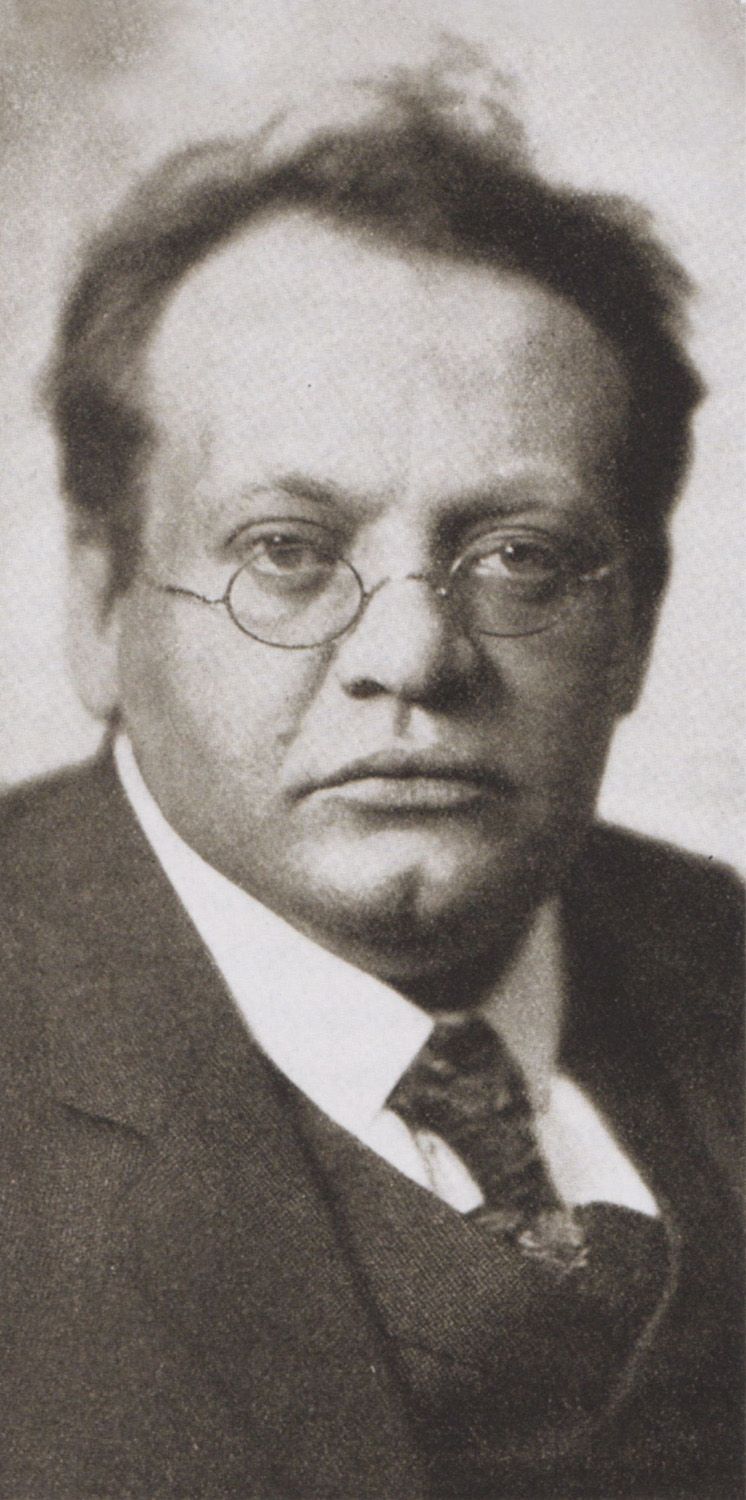
Portrait of Max Reger Historical portrait · sourceHistorical portrait · Wikimedia Commons; image context in the linked biography

A guide to

Max Reger

Brand, Bavaria 1873 — Leipzig 1916
  1. 1873 Born at Brand in the Bavarian Upper Palatinate, 19 March
  2. 1888 Hears Wagner at Bayreuth and resolves on a life in music
  3. 1890 Becomes Hugo Riemann's pupil; follows him to the Wiesbaden Conservatory
  4. 1898 Returns to Weiden; the flood of organ works begins with the "Ein feste Burg" fantasia, Op. 27
  5. 1901 Moves to Munich; rises to fame as composer and touring pianist
  6. 1907 Professor at the Royal Conservatory, Leipzig
  7. 1911 Hofkapellmeister of the Meiningen court orchestra
  8. 1916 Dies at Leipzig, 11 May, aged forty-three
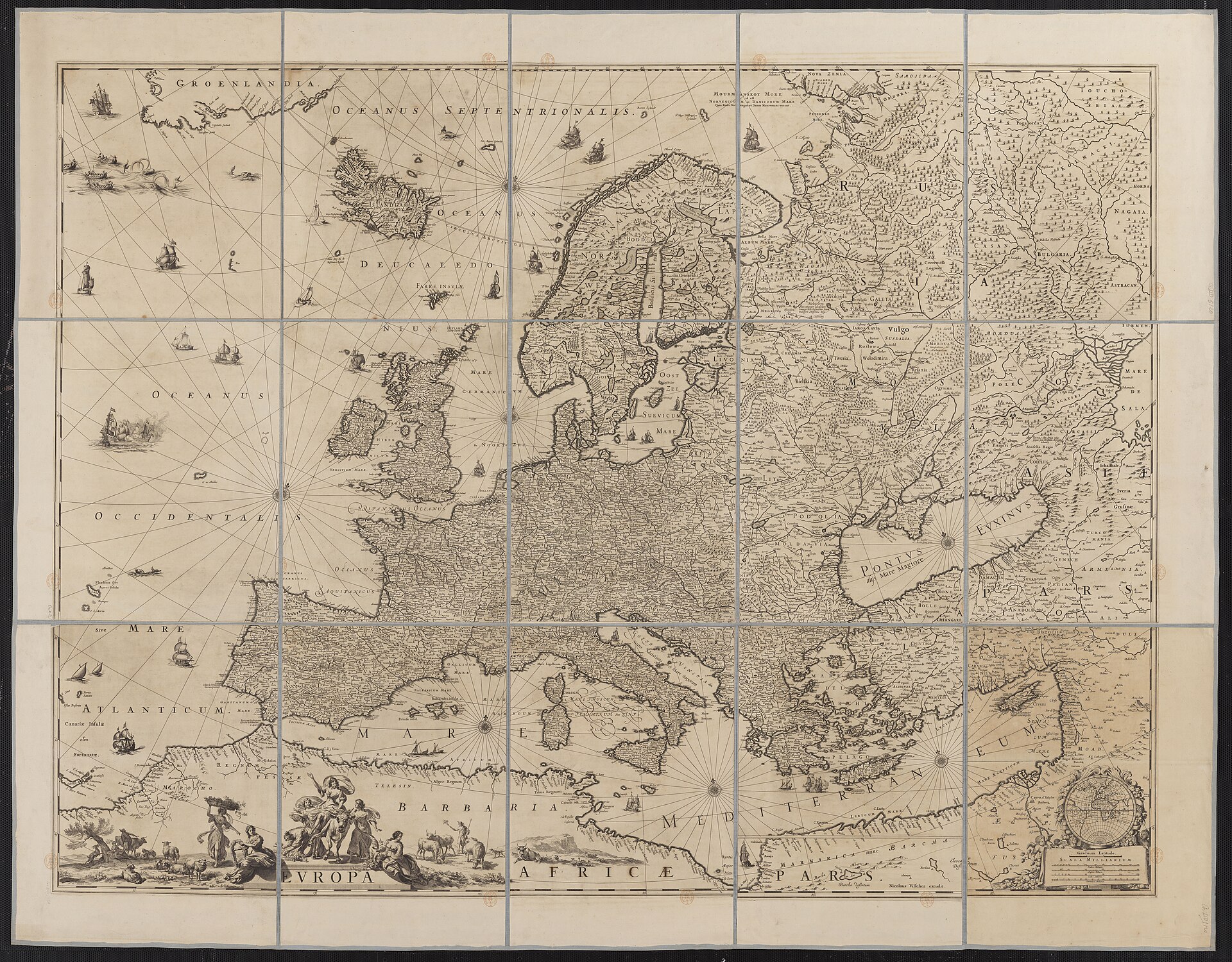
Historic map
Leipzig professor · 1907–1916
Weiden youth · the organ years
Wiesbaden Riemann's pupil · 1890s
Munich fame · 1901
Meiningen court Kapellmeister · 1911
Jena last years · 1915
*Europa*, the Visscher wall-chart of the continent (the same Amsterdam engraving used for [Liszt](/composer/liszt/), [Brahms](/composer/brahms/) and [Mendelssohn](/composer/mendelssohn/)). Reger's whole life fit inside German-speaking Europe: born at Brand in the Bavarian Upper Palatinate and raised a few miles off at Weiden, schooled at Wiesbaden, made famous in Munich, called to a professorship at Leipzig, made court conductor at Meiningen, and settled at the last in Jena. Wikimedia Commons.
Max Reger photographed around 1913
Max Reger, photographed about 1913 — the short-sighted, cigar-loving Kapellmeister at the height of his fame. Public domain, via Wikimedia Commons.

Max Reger set himself a task no one else in his generation would attempt: to be Johann Sebastian Bach reborn into the twentieth century. He poured the densest, most chromatic harmony of late Romanticism into the oldest and strictest forms — the chorale fantasia, the passacaglia, the fugue, the variation set — and produced an organ literature that is the largest and most demanding since Bach himself, alongside a body of piano music that carries the inheritance of Brahms into the modern age. He worked at frightening speed, drank and smoked himself toward an early grave, and died at forty-three with the catalogue already past Op. 140. For the organ above all, he is the indispensable bridge between the Baroque and the present.

He was born on 19 March 1873 at Brand, a village in the Bavarian Upper Palatinate (Oberpfalz), the son of a schoolteacher. The family soon moved the few miles to Weiden, the small market town that would be the setting for his childhood and, later, for the most concentrated burst of creation in his life. His father played several instruments and taught him the rudiments; the decisive early figure, though, was a local schoolmaster and organist named Adalbert Lindner, who took the boy in hand, drilled him in Bach, and — half a century on — wrote one of the principal accounts we have of Reger’s youth.
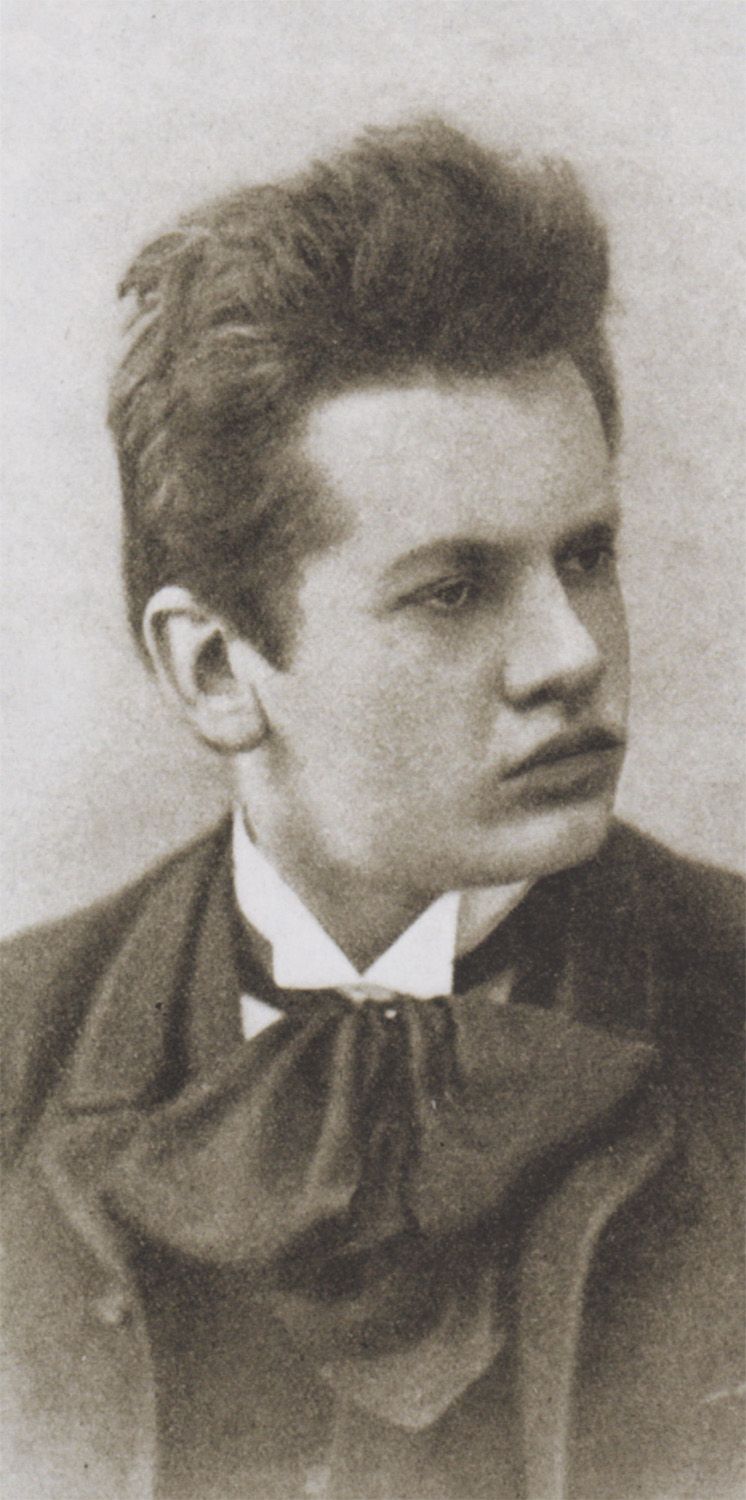
Max Reger about 1890
Max Reger about 1890, around the time he became Hugo Riemann's pupil and left the Upper Palatinate for the Rhineland. Public domain, via Wikimedia Commons.

The turning point came in 1888, when the fifteen-year-old made a pilgrimage to Bayreuth, heard Wagner’s Die Meistersinger and Parsifal, and came home certain that he would be a musician rather than a schoolteacher. Two years later he sent some manuscripts to the theorist Hugo Riemann — the most formidable musical mind in Germany, the man whose textbooks defined how a generation understood harmony — who accepted him as a pupil. Reger followed Riemann to the Wiesbaden Conservatory in 1890 and stayed in the Rhineland through the middle of the decade, studying, teaching piano and organ, and absorbing from Riemann a rigor of voice-leading and formal logic that never left him.


Weiden: the organ explosion

Wiesbaden ended badly. Military service, overwork and heavy drinking brought on a physical and nervous collapse, and in 1898 Reger went home to his parents in Weiden to recover. What looked like defeat became the most extraordinary creative period of his life. Living quietly in a provincial town, with no orchestra and not even a large organ at hand, the twenty-five-year-old produced in three or four years the works that founded the modern organ repertoire.
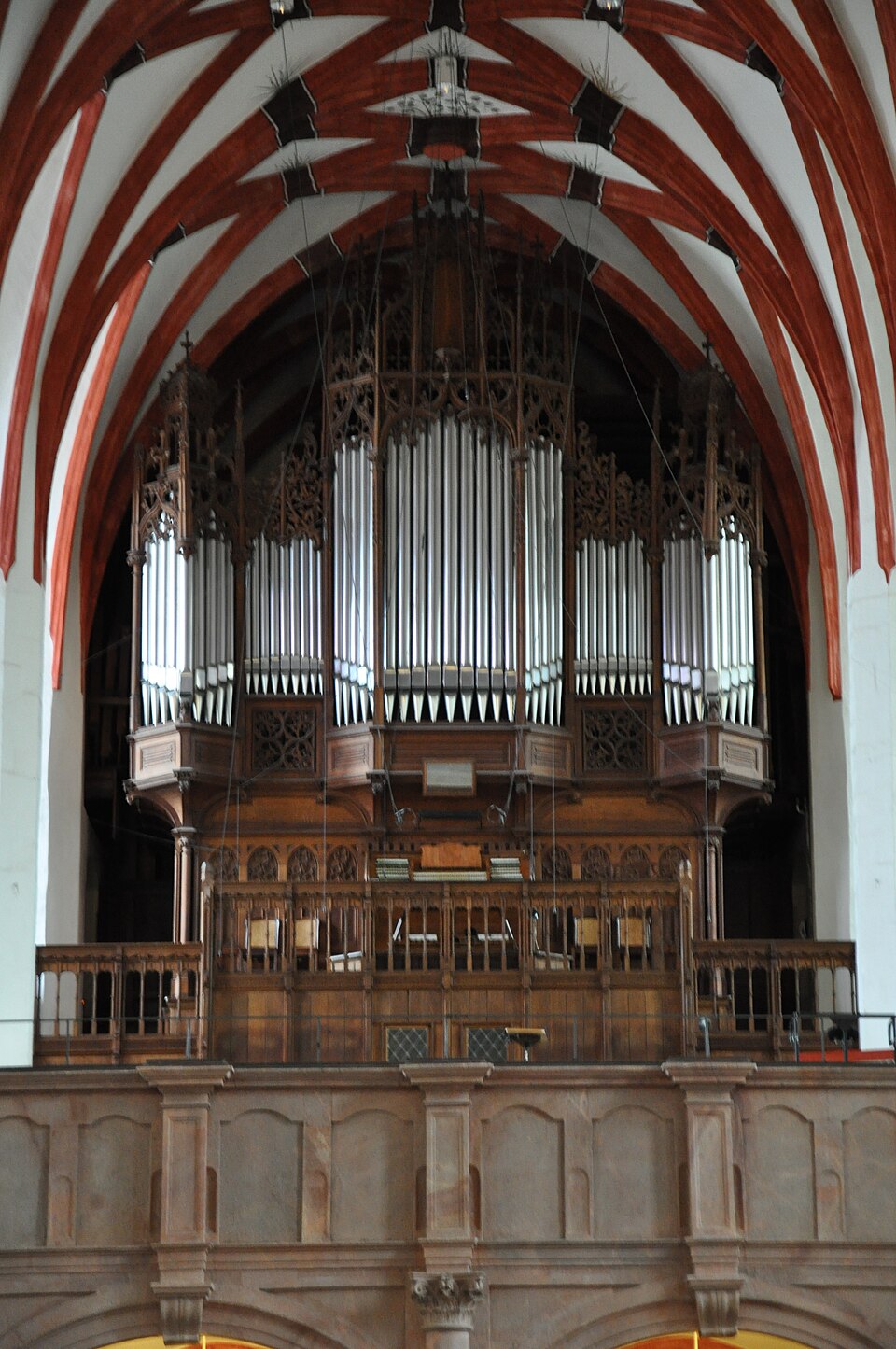
The Sauer organ of the Thomaskirche, Leipzig
The Wilhelm Sauer organ of the Thomaskirche in Leipzig (1889) — the kind of vast, orchestrally voiced Romantic instrument Reger wrote for. Karl Straube, who premiered nearly all of Reger's organ music, became organist of this church in 1903. Via Wikimedia Commons.

The chorale fantasias are the heart of it. The fantasia on “Ein feste Burg ist unser Gott,” Op. 27 (1898) made his reputation. Lindner watched him write it — the first pages, he says, completed in a single evening — and recorded Reger’s “royal delight” in the third verse, Und wenn die Welt voll Teufel wär’ (“and were the world all devils o’er”), where the chorale rings out “with tremendous energy in the pedal, while the voices of this world rage against it in the manual with relentlessly sharp dissonances” (Eugen Segnitz, 1922). The pair of fantasias of Op. 40 followed in 1899, and the three of Op. 52 — on Alle Menschen müssen sterben, Wachet auf, ruft uns die Stimme and a Hallelujah — in 1901. Of these last Lindner left a telling story: stung by a review that denied he had any imagination, Reger dashed off all three in roughly ten days and threw the finished manuscripts onto the piano with the bitter words, “There you have the Reger who has no fantasy and no invention” (Adalbert Lindner, 1922).

The summit of the Weiden years is the Fantasy and Fugue on B-A-C-H, Op. 46 (1900), built entirely on the four notes that spell Bach’s name in German nomenclature — B♭, A, C, B♮. Reger dedicated it to his old Munich-era teacher Josef Rheinberger, who is said to have shaken his head over its harmonic boldness; Reger meant it, Lindner wrote, as “a Gothic cathedral” raised in homage to Bach. Lindner remembered being “startled” by the “cyclopean force” of the opening when Reger first played it through on the piano. Through all of it ran a single conviction, which Reger stated as plainly as anything he ever said:

Sebastian Bach is for me the beginning and end of all music; every true progress in music rests and is founded upon him.

— Max Reger, replying to a survey in the journal Die Musik, 1905

Carrying these works to the public was almost single-handedly the achievement of one man: the organist Karl Straube, who from 1898 became Reger’s tireless champion, premiering the “Ein feste Burg” fantasia at the cathedral in Wesel in September that year and going on to give the first performances of nearly all the major organ scores. Without Straube’s advocacy — and his willingness to wrestle music that frightened other players — Reger’s organ output might have sat unheard on the page.


Munich, the pianist, and the critics
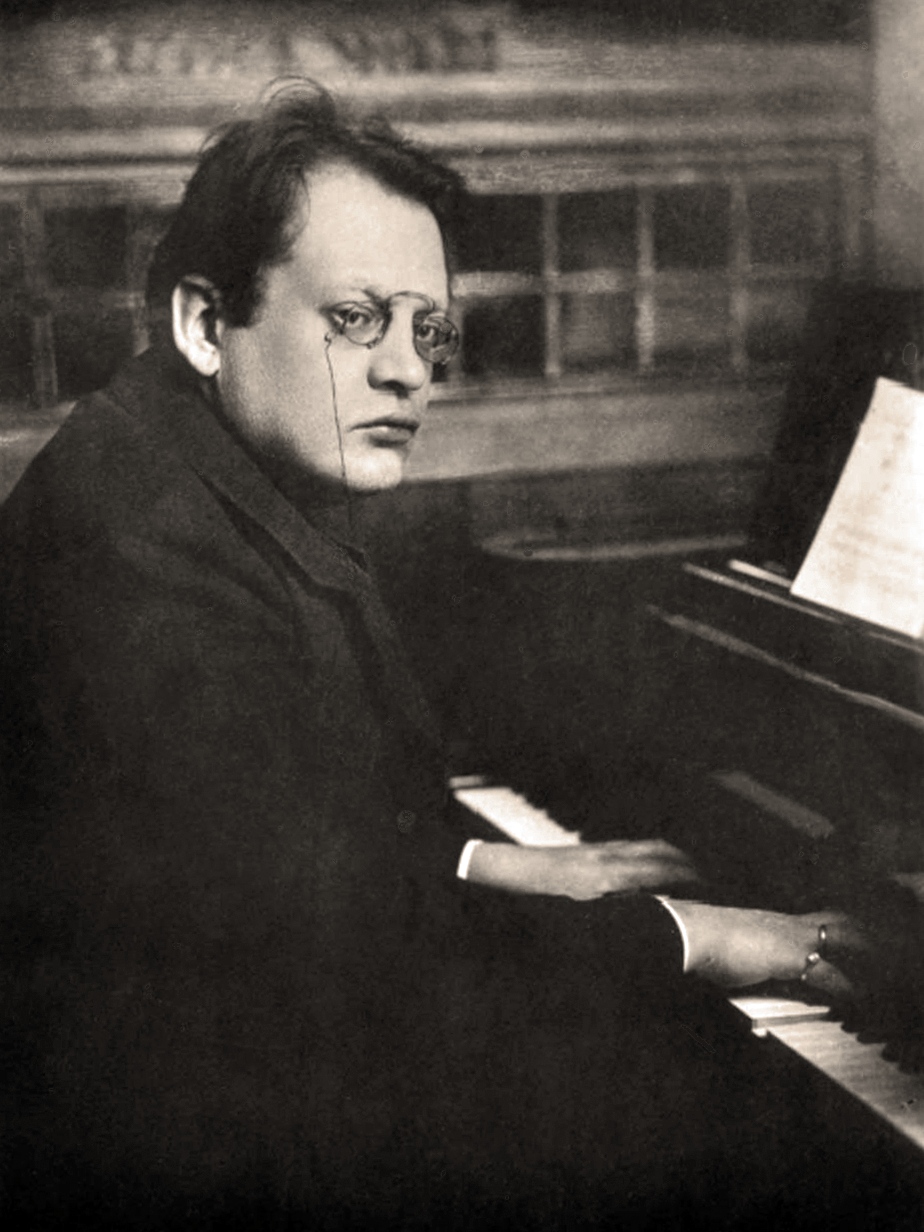
Max Reger at the piano
Reger at the keyboard. Though best known for the organ, he toured Europe as a concert pianist and accompanist, and his largest works for the instrument grew out of those years. Public domain, via Wikimedia Commons.

In 1901 Reger moved to Munich, and the provincial recluse became a public figure — composer, teacher, and a touring concert pianist of real power. The Munich years brought the great keyboard music. The Variations and Fugue on a Theme by Bach, Op. 81 (1904), fourteen variations and a closing fugue on a theme from a Bach cantata, is his most ambitious piano work; Segnitz judged that “after Brahms’s variations on a Handel theme, these were the first great concert work of their kind,” and they passed straight into the recital repertoire — though Reger conceded the piece had outgrown even his own pianism. In a lighter vein, the four volumes of Aus meinem Tagebuch (“From my Diary”), Op. 82, begun in 1904, are small, intimate pieces that, Segnitz noted, “quickly conquered the widest circles” of music lovers.

Munich also brought the critics, who found Reger’s teeming chromaticism either prophetic or simply ugly, and with whom he fought back in kind. The most famous remark attributed to him in all of music history dates from a Munich review of 1906 by the critic Rudolf Louis — a reply Reger is said to have sent by postcard:

I am sitting in the smallest room of my house. I have your review before me. In a moment it will be behind me.

— famously attributed to Max Reger, in answer to the critic Rudolf Louis, 1906


Leipzig and Meiningen

Reger’s restless career now moved fast. In 1907 he was appointed professor of composition at the Royal Conservatory in Leipzig — the city of Bach and of Mendelssohn’s old conservatory — and briefly served as musical director of the university church. Leipzig became his home base for the rest of his life and the seat of a celebrated teaching practice; pupils came to him from across Europe, and Straube, now organist of the Thomaskirche, anchored a whole “Reger school” of organ playing in the city.

In 1911 Duke George II of Saxe-Meiningen made him Hofkapellmeister of the famous Meiningen court orchestra — the disciplined ensemble that Hans von Bülow had built and that Brahms had loved. For three seasons Reger drove himself through exhausting conducting tours, championing the music he revered, before resigning the post in 1914 as his health failed and war broke out. The Meiningen years confirmed him as one of the leading musicians of the German Empire, honoured with a doctorate from the University of Jena and crowded with commissions.


The late style, Jena, and the end

In 1915 Reger settled in Jena, commuting weekly to Leipzig to teach. The music of these last years grew leaner and clearer — the so-called “free Jena style” — as if, having proved he could pile harmony higher than anyone alive, he no longer needed to. Two large works frame the turn. The Introduction, Passacaglia and Fugue, Op. 127 (1913), dedicated to Straube, was premiered by him in October 1913 at the inauguration of the great Sauer organ in the Centennial Hall (Jahrhunderthalle) at Breslau — a virtuoso organ summit, by turns, in Segnitz’s words, of “powerful force” and “mystical shimmer.” And the Variations and Fugue on a Theme by Telemann, Op. 134 (1914), twenty-three variations of mostly bright, humorous cast, was the grand piano work admirers had been asking him for. Reger announced it to Lindner on a postcard with characteristic glee: “There you have the grand piano work from me that you wished for!” (Max Reger, 1914).

He did not live to develop the new manner. On 11 May 1916, on a working visit to Leipzig, Reger died in his hotel of a heart attack, aged only forty-three — the proofs of his latest music, by the usual account, still beside him. He had compressed into a single short life a catalogue that runs to well over two hundred opus numbers.


Legacy

What Reger handed on was, above all, the survival of counterpoint. At a moment when music was breaking toward the dissolution of tonality on one side and folk-rooted nationalism on the other, he insisted that the fugue, the passacaglia and the chorale fantasia still had everything to say — that the line running from Bach through Mendelssohn and Brahms was not exhausted but inexhaustible. His organ works remain the central Romantic repertoire for the instrument, the natural successors to Liszt’s organ monuments and the German counterpart to César Franck’s; his pupils and Straube’s organ school carried his manner deep into the twentieth century, where it shaped composers from Hindemith to the organ-symphonists who came after. For Robert Schumann’s dream of a music both learned and deeply felt, and for Brahms’s marriage of Baroque rigor and Romantic warmth, Reger was the last and most prodigal heir.

All works (78)

one row per PDF across every work · semicolon-delimited

Undated works follow in catalogue order.Filter these works →

CatalogTitleInstrumentation
Op7 3 Orgelstücke
Open individual scores (1)PDF on IMSLP ↗IMSLP work page ↗
Orgel 1 PDF Spotify Apple Music
Op10 20 Deutsche Tänze
Open individual scores (1)PDF on IMSLP ↗IMSLP work page ↗
Klavier zu vier Händen 1 PDF Spotify Apple Music
Op11 7 Waltzes
Open individual scores (1)PDF on IMSLP ↗IMSLP work page ↗
Klavier 1 PDF Spotify Apple Music
Op13 Lose Blätter
Open individual scores (1)PDF on IMSLP ↗IMSLP work page ↗
Klavier 1 PDF Spotify Apple Music
Op16 Suite No.1
Open individual scores (1)PDF on IMSLP ↗IMSLP work page ↗
Orgel 1 PDF Spotify Apple Music
Op17 Aus der Jugendzeit
Open individual scores (1)PDF on IMSLP ↗IMSLP work page ↗
Klavier 1 PDF Spotify Apple Music
Op18 8 Improvisations
Open individual scores (1)PDF on IMSLP ↗IMSLP work page ↗
Klavier 1 PDF Spotify Apple Music
Op20 5 Humoresques
Open individual scores (1)PDF on IMSLP ↗IMSLP work page ↗
Klavier 1 PDF Spotify Apple Music
Op22 6 Waltzes
Open individual scores (1)PDF on IMSLP ↗IMSLP work page ↗
Klavier zu vier Händen 1 PDF Spotify Apple Music
Op24 6 Klavierstücke
Open individual scores (1)PDF on IMSLP ↗IMSLP work page ↗
Klavier 1 PDF Spotify Apple Music
Op25 5 Aquarelles
Open individual scores (1)PDF on IMSLP ↗IMSLP work page ↗
Klavier MIDI1 PDF Spotify Apple Music
Op26 7 Fantasiestücke
Open individual scores (1)PDF on IMSLP ↗IMSLP work page ↗
Klavier 1 PDF Spotify Apple Music
Op27 Choralfantasie über Ein feste Burg ist unser Gott
Open individual scores (1)PDF on IMSLP ↗IMSLP work page ↗
hints1 PDF Spotify Apple Music
Op29 Fantasie und Fuge
Open individual scores (1)PDF on IMSLP ↗IMSLP work page ↗
Orgel 1 PDF Spotify Apple Music
Op30 Choralfantasie über Freu dich sehr, o meine Seele
Open individual scores (1)PDF on IMSLP ↗IMSLP work page ↗
1 PDF Spotify Apple Music
Op32 7 Charakterstücke
Open individual scores (1)PDF on IMSLP ↗IMSLP work page ↗
Klavier 1 PDF Spotify Apple Music
Op33 Organ Sonata No.1
Open individual scores (1)PDF on IMSLP ↗IMSLP work page ↗
Orgel 1 PDF Spotify Apple Music
Op34 5 Pièces pittoresques
Open individual scores (3)PDF on IMSLP ↗IMSLP work page ↗PDF on IMSLP ↗IMSLP work page ↗PDF on IMSLP ↗IMSLP work page ↗
Klavier zu vier Händen 3 PDFs Spotify Apple Music
Op36 Bunte Blätter
Open individual scores (1)PDF on IMSLP ↗IMSLP work page ↗
Klavier 1 PDF Spotify Apple Music
Op40 2 Choralfantasien
Open individual scores (1)PDF on IMSLP ↗IMSLP work page ↗
Orgel hints1 PDF Spotify Apple Music
Op44 10 Kleine Vortragsstücke
Open individual scores (1)PDF on IMSLP ↗IMSLP work page ↗
Klavier 1 PDF Spotify Apple Music
Op45 6 Intermezzos
Open individual scores (1)PDF on IMSLP ↗IMSLP work page ↗
Klavier 1 PDF Spotify Apple Music
Op46 Fantasie und Fuge über B-A-C-H
Open individual scores (1)PDF on IMSLP ↗IMSLP work page ↗
Orgel hints1 PDF Spotify Apple Music
Op47 6 Trios
Open individual scores (1)PDF on IMSLP ↗IMSLP work page ↗
Orgel MIDI1 PDF Spotify Apple Music
Op52 3 Choralfantasien
Open individual scores (1)PDF on IMSLP ↗IMSLP work page ↗
Orgel hints1 PDF Spotify Apple Music
Op53 7 Silhouettes
Open individual scores (1)PDF on IMSLP ↗IMSLP work page ↗
Klavier 1 PDF Spotify Apple Music
Op56 5 Leicht ausführbare Präludien und Fugen
Open individual scores (1)PDF on IMSLP ↗IMSLP work page ↗
Orgel 1 PDF Spotify Apple Music
Op57 Symphonische Fantasie und Fuge
Open individual scores (1)PDF on IMSLP ↗IMSLP work page ↗
Orgel 1 PDF Spotify Apple Music
Op58 6 Burlesques
Open individual scores (1)PDF on IMSLP ↗IMSLP work page ↗
Klavier zu vier Händen 1 PDF Spotify Apple Music
Op59 12 Stücke
Open individual scores (1)PDF on IMSLP ↗IMSLP work page ↗
Orgel 1 PDF Spotify Apple Music
Op60 Organ Sonata No.2
Open individual scores (1)PDF on IMSLP ↗IMSLP work page ↗
Orgel 1 PDF Spotify Apple Music
Op63 Monologe
Open individual scores (1)PDF on IMSLP ↗IMSLP work page ↗
Orgel 1 PDF Spotify Apple Music
Op67 52 Choralvorspiele
Open individual scores (1)PDF on IMSLP ↗IMSLP work page ↗
Orgel MIDI1 PDF Spotify Apple Music
Op69 10 Stücke
Open individual scores (1)PDF on IMSLP ↗IMSLP work page ↗
Orgel 1 PDF Spotify Apple Music
Op73 Variations and Fugue on an Original Theme
Open individual scores (3)PDF on IMSLP ↗IMSLP work page ↗PDF on IMSLP ↗IMSLP work page ↗PDF on IMSLP ↗IMSLP work page ↗
Orgel 3 PDFs Spotify Apple Music
Op79a Kompositionen
Open individual scores (1)PDF on IMSLP ↗IMSLP work page ↗
Stimme, Klavier 1 PDF Spotify Apple Music
Op79b Choralvorspiele
Open individual scores (1)PDF on IMSLP ↗IMSLP work page ↗
Orgel MIDI1 PDF Spotify Apple Music
Op80 12 Stücke
Open individual scores (1)PDF on IMSLP ↗IMSLP work page ↗
Orgel 1 PDF Spotify Apple Music
Op81 Variations and Fugue on a Theme by Bach
Open individual scores (3)PDF on IMSLP ↗IMSLP work page ↗PDF on IMSLP ↗IMSLP work page ↗PDF on IMSLP ↗IMSLP work page ↗
Klavier hints3 PDFs Spotify Apple Music
Op82 Aus meinem Tagebuch
Open individual scores (1)PDF on IMSLP ↗IMSLP work page ↗
Klavier hints1 PDF Spotify Apple Music
Op85 4 Preludes and Fugues
Open individual scores (4)PDF on IMSLP ↗IMSLP work page ↗PDF on IMSLP ↗IMSLP work page ↗PDF on IMSLP ↗IMSLP work page ↗PDF on IMSLP ↗IMSLP work page ↗
Orgel 4 PDFs Spotify Apple Music
Op92 Suite No.2
Open individual scores (1)PDF on IMSLP ↗IMSLP work page ↗
Orgel 1 PDF Spotify Apple Music
Op94 6 Stücke
Open individual scores (1)PDF on IMSLP ↗IMSLP work page ↗
Klavier zu vier Händen 1 PDF Spotify Apple Music
Op99 6 Preludes and Fugues
Open individual scores (5)PDF on IMSLP ↗IMSLP work page ↗PDF on IMSLP ↗IMSLP work page ↗PDF on IMSLP ↗IMSLP work page ↗PDF on IMSLP ↗IMSLP work page ↗PDF on IMSLP ↗IMSLP work page ↗
Klavier 5 PDFs Spotify Apple Music
Op115 8 Episodes
Open individual scores (1)PDF on IMSLP ↗IMSLP work page ↗
1 Klavier 1 PDF Spotify Apple Music
Op127 Introduction, Passacaglia und Fuge
Open individual scores (1)PDF on IMSLP ↗IMSLP work page ↗
Orgel hints1 PDF Spotify Apple Music
Op129 9 Stücke
Open individual scores (1)PDF on IMSLP ↗IMSLP work page ↗
Orgel 1 PDF Spotify Apple Music
Op134 Variations and Fugue on a Theme by Telemann
Open individual scores (3)PDF on IMSLP ↗IMSLP work page ↗PDF on IMSLP ↗IMSLP work page ↗PDF on IMSLP ↗IMSLP work page ↗
Klavier hints3 PDFs Spotify Apple Music
Op135a 30 Kleine Choralvorspiele
Open individual scores (1)PDF on IMSLP ↗IMSLP work page ↗
Orgel MIDI1 PDF Spotify Apple Music
Op135b Fantasie und Fuge
Open individual scores (1)PDF on IMSLP ↗IMSLP work page ↗
Orgel 1 PDF Spotify Apple Music
Op143 Träume am Kamin
Open individual scores (1)PDF on IMSLP ↗IMSLP work page ↗
Klavier 1 PDF Spotify Apple Music
Op145 7 Stücke
Open individual scores (1)PDF on IMSLP ↗IMSLP work page ↗
Orgel 1 PDF Spotify Apple Music
2 Schulfugen
Open individual scores (1)PDF on IMSLP ↗IMSLP work page ↗
Klavier 1 PDF Spotify Apple Music
4 Klavierstücke
Open individual scores (1)PDF on IMSLP ↗IMSLP work page ↗
Klavier 1 PDF Spotify Apple Music
4 Spezialstudien, WoO III-13
Open individual scores (1)PDF on IMSLP ↗IMSLP work page ↗
1 PDF Spotify Apple Music
5 Scherzkanons
Open individual scores (1)PDF on IMSLP ↗IMSLP work page ↗
Klavier 1 PDF Spotify Apple Music
5 Spezialstudien
Open individual scores (1)PDF on IMSLP ↗IMSLP work page ↗
Klavier 1 PDF Spotify Apple Music
Bach Transcriptions
Open individual scores (1)PDF on IMSLP ↗IMSLP work page ↗
Klavier, Orgel 1 PDF Spotify Apple Music
Blätter und Blüten, WoO III-12
Open individual scores (1)PDF on IMSLP ↗IMSLP work page ↗
1 PDF Spotify Apple Music
Caprice, WoO III-21
Open individual scores (1)PDF on IMSLP ↗IMSLP work page ↗
1 PDF Spotify Apple Music
Ewig dein , WoO III-23
Open individual scores (1)PDF on IMSLP ↗IMSLP work page ↗
1 PDF Spotify Apple Music
Fughette über das Deutschlandlied, WoO III-24
Open individual scores (1)PDF on IMSLP ↗IMSLP work page ↗
1 PDF Spotify Apple Music
Grande valse de concert, WoO III-3
Open individual scores (1)PDF on IMSLP ↗IMSLP work page ↗
1 PDF Spotify Apple Music
Grüße an die Jugend, WoO III-6
Open individual scores (1)PDF on IMSLP ↗IMSLP work page ↗
1 PDF Spotify Apple Music
Improvisation über 'An der schönen blauen Donau', WoO III-11
Open individual scores (1)PDF on IMSLP ↗IMSLP work page ↗
1 PDF Spotify Apple Music
In der Nacht, WoO III-18
Open individual scores (1)PDF on IMSLP ↗IMSLP work page ↗
1 PDF Spotify Apple Music
Introduction und Passacaglia, WoO IV-6
Open individual scores (1)PDF on IMSLP ↗IMSLP work page ↗
MIDI1 PDF Spotify Apple Music
Lieder von Johannes Brahms für Pianoforte Solo
Open individual scores (1)PDF on IMSLP ↗IMSLP work page ↗
Klavier 1 PDF Spotify Apple Music
Perpetuum mobile, WoO III-19
Open individual scores (1)PDF on IMSLP ↗IMSLP work page ↗
1 PDF Spotify Apple Music
Präludium in C minor, WoO VIII-6
Open individual scores (1)PDF on IMSLP ↗IMSLP work page ↗
1 PDF Spotify Apple Music
Präludium und Fuge, WoO III-2
Open individual scores (1)PDF on IMSLP ↗IMSLP work page ↗
1 PDF Spotify Apple Music
Präludium und Fuge, WoO IV-15
Open individual scores (1)PDF on IMSLP ↗IMSLP work page ↗
1 PDF Spotify Apple Music
Romanze, WoO IV-11
Open individual scores (1)PDF on IMSLP ↗IMSLP work page ↗
1 PDF Spotify Apple Music
Scherzo, WoO III-20
Open individual scores (1)PDF on IMSLP ↗IMSLP work page ↗
1 PDF Spotify Apple Music
Sämtliche Orgelwerke
Open individual scores (5)PDF on IMSLP ↗IMSLP work page ↗PDF on IMSLP ↗IMSLP work page ↗PDF on IMSLP ↗IMSLP work page ↗PDF on IMSLP ↗IMSLP work page ↗PDF on IMSLP ↗IMSLP work page ↗
Orgel 5 PDFs Spotify Apple Music
Variations and Fugue on 'God Save the King'
Open individual scores (1)PDF on IMSLP ↗IMSLP work page ↗
Orgel 1 PDF Spotify Apple Music
Vierstimmiger Kanon No.2 über 'Letzte Rose', WoO VIII-15
Open individual scores (1)PDF on IMSLP ↗IMSLP work page ↗
1 PDF Spotify Apple Music
Vorspiel über Komm süßer Tod , WoO IV-3
Open individual scores (1)PDF on IMSLP ↗IMSLP work page ↗
1 PDF Spotify Apple Music