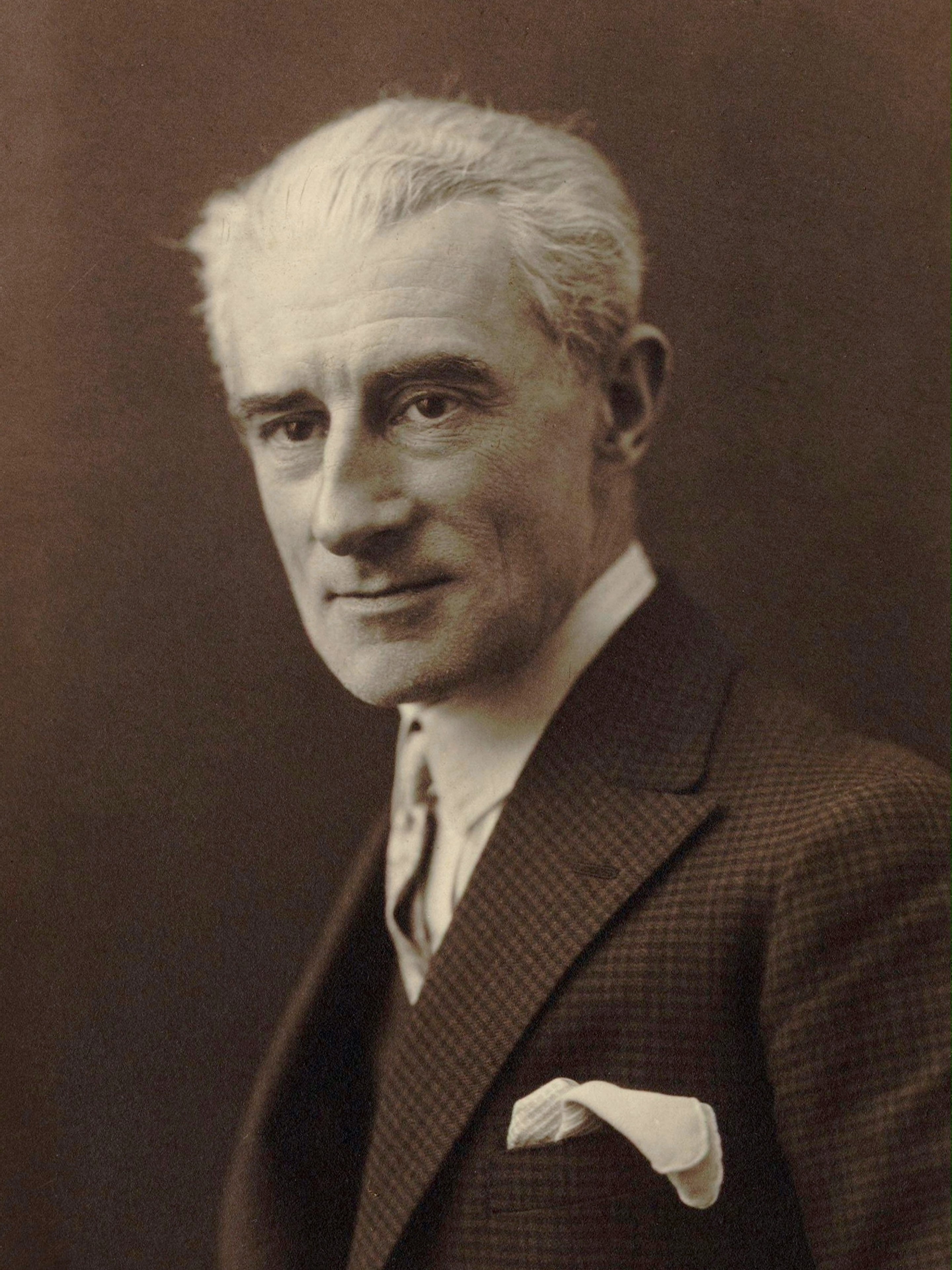

Maurice Ravel
1875 — 1937
Joseph Maurice Ravel was a French composer, pianist and conductor. He is often associated with Impressionism along with his elder contemporary Claude Debussy, although both composers rejected the term. In the 1920s and 1930s Ravel was internationally regarded as France’s greatest living composer.
Adapted from the Wikipedia article on Maurice Ravel.
From the period sources
Maurice Ravel was recognized by contemporary critics as a significant figure among a “younger generation” of French song-writers, producing works of “real distinction and interest,” according to Grove’s Dictionary of Music and Musicians (1908, 1922). This school of composers, which included Gabriel Fauré, Vincent d’Indy, and Claude Debussy, was noted for its “serious aims” in treating the song form. While some aspects, such as “obscurity of form, eccentricity, [and] a feverish egoism,” were considered “worst features,” these composers were also praised for their “aptitude for intensity in the presentment of emotional themes” and a “keen appreciation of evasive effects,” favoring suggestion over overt expression (Grove’s Dictionary, 1922). M. Bruneau summarized their collective goal as “pure art and beauty.” Beyond his contributions to song, Ravel’s Trio in A minor was featured at the inaugural Berkshire Festivals of Chamber Music in Pittsfield, Massachusetts, in 1918, a new event established by Mrs. Frederick S. Coolidge (Grove’s Dictionary of Music and Musicians: American Supplement, 1920). Furthermore, Ravel’s compositions were included in a 1915-16 series of six historical piano recitals given in New York, Boston, and Chicago by the acclaimed pianist and conductor Ossip Gabrilovitch (Grove’s Dictionary of Music and Musicians: American Supplement, 1920). Ravel also served as a teacher, with Roland Manuel (originally Lévy), a French composer and critic, noted as his pupil (The New Encyclopedia of Music and Musicians, 1924).