
A guide to
Henri Mulet
Paris 1878 — Draguignan 1967
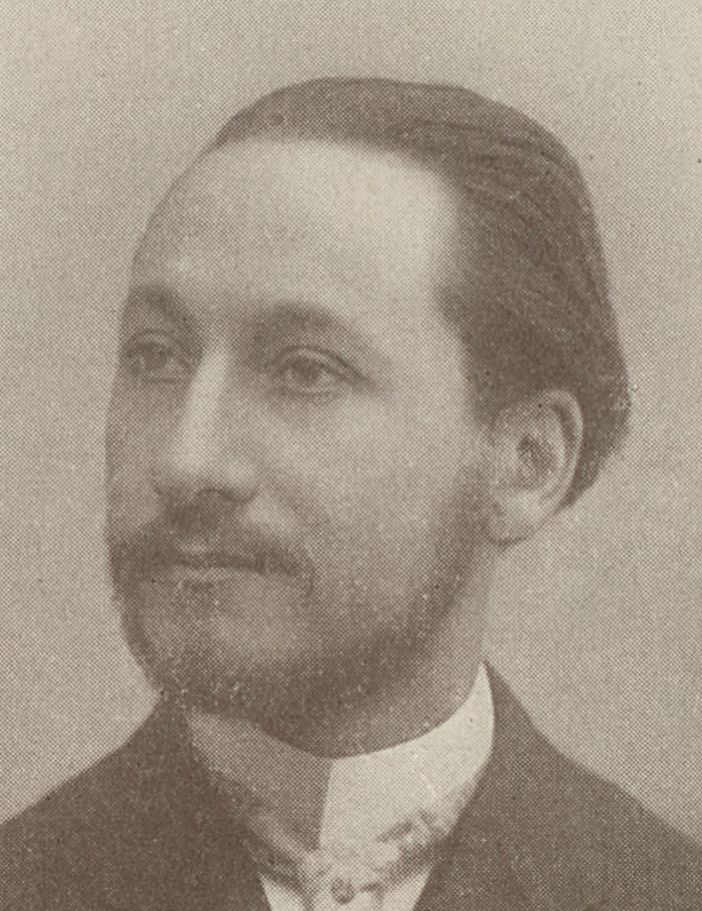
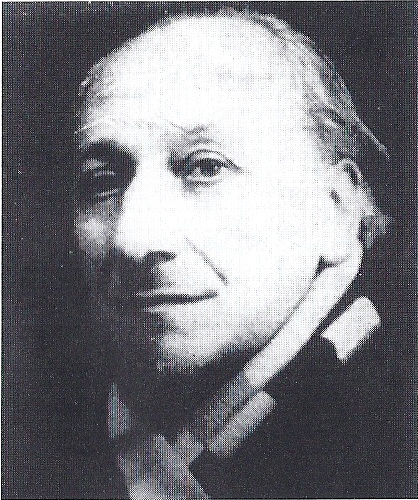
Henri Gabriel Mulet wrote one of the most thrilling pieces in the French organ repertoire and then, in effect, walked away from music altogether — burning a part of his own output and ending his days in provincial poverty. He was born in Paris on 17 October 1878, and entered the Conservatoire in 1890, still a boy, where he studied with the two pillars of the French organ school, Alexandre Guilmant and Charles-Marie Widor, as well as taking lessons in cello and other subjects. He held organ posts across Paris — including Saint-Philippe-du-Roule from 1922 — and taught at the École Niedermeyer and the Schola Cantorum, the latter under Vincent d’Indy.
The Byzantine sketches

Mulet’s masterpiece is the Esquisses byzantines (“Byzantine Sketches”), a set of ten organ pieces composed between 1914 and 1919. The dedication on the score points to the Basilique du Sacré-Cœur rising on Montmartre, and five of the movements take their titles from features of its Romano-Byzantine architecture — among them Campanile (the bell-tower) and Chapelle des Morts (the chapel of the dead). The cycle culminates in its most famous movement, Tu es petra, whose full title quotes the Gospel inscription — “Thou art the rock, and the gates of hell shall not prevail against thee” — and which ends in a roaring carillon of bells across the full organ.
Earlier still he had written the piece that first carried his name, the Carillon-Sortie, a glittering recessional built over pealing bell figures that remains one of the great showpieces of French Romantic organ music. Listen for the bright, repeated bell-motif that rings through both the Carillon-Sortie and the close of Tu es petra — the sound of Paris church bells translated to the pedal organ was Mulet’s signature.
The bonfire of the manuscripts
Mulet’s later life is one of the saddest stories in French organ music. In 1937, in the grip of financial collapse, he is said to have destroyed many of his own manuscripts and abandoned Paris for the provinces, settling in Draguignan in the south. His wife, it is reported, kept a toy shop to help make ends meet. He continued as a church organist there until 1958 and lived out his last years in a convent, dying on 20 September 1967 at the age of eighty-eight — a virtuoso of the great Paris organ lofts, ending in near-total obscurity.
That so much was lost makes the survival of the Esquisses byzantines and the Carillon-Sortie all the more precious. On the strength of those few pages Mulet is remembered as one of the most individual voices of the French organ tradition — a composer whose music still rings out long after the man himself fell silent.