Hans Kotter
1485 — 1541
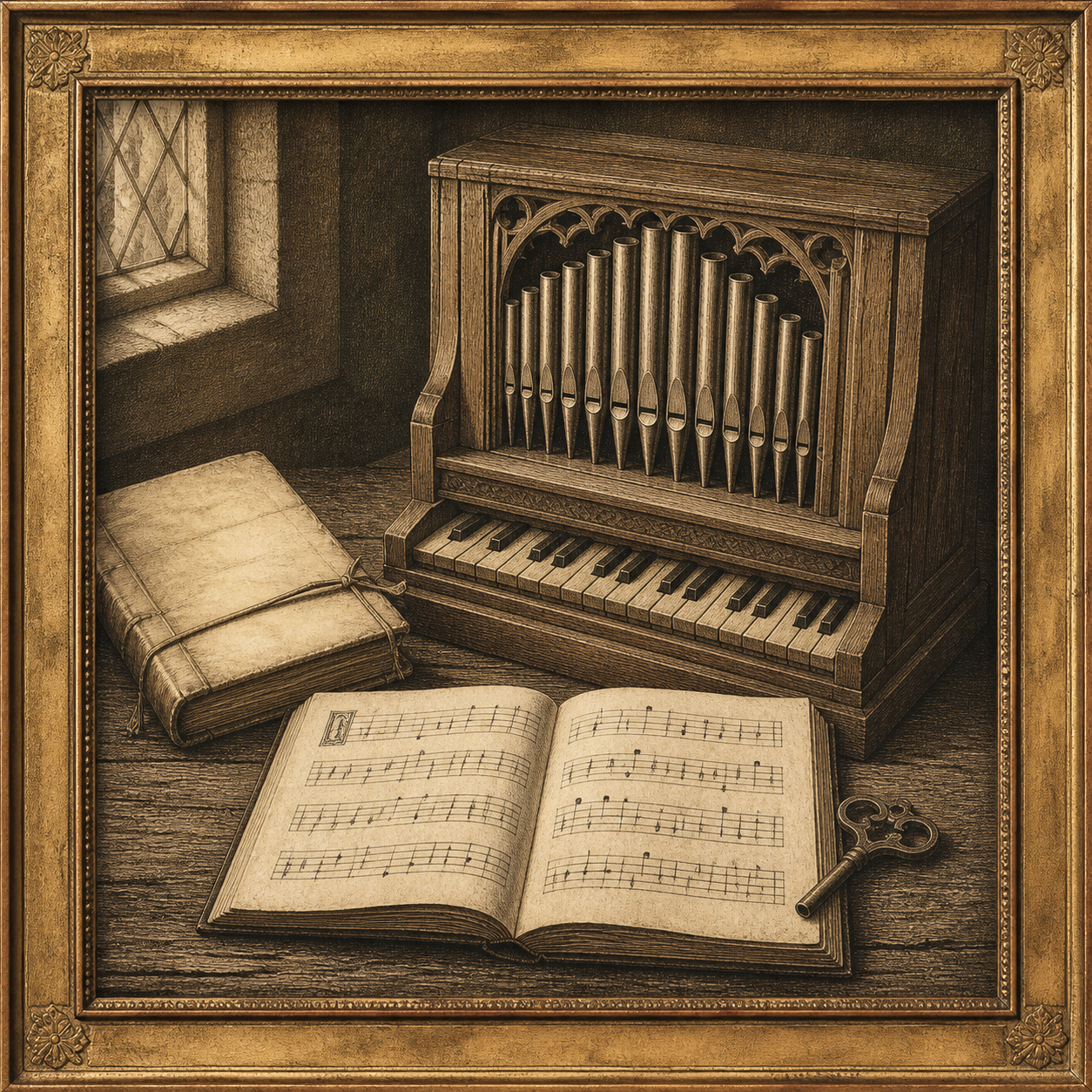
Hans Kotter, sometimes given as Hans Cotter, Hans Kotterer, or Hans Kotther, (1480–1541) was a German composer and organist of the Renaissance. Although organ music was not popular or enthusiastically supported in Strasbourg in the early Reformation years, the first known organ chorales were composed by Kotter.
Adapted from the Wikipedia article on Hans Kotter.
From the period sources
Hans Kotter, active in the sixteenth century, was a notable disciple of the esteemed organist Paul Hofhaimer. According to Luscinius, as recorded in A General History of the Science and Practice of Music (1875), Kotter was among Hofhaimer’s many pupils who were “every where very honourably supported, and conduct our church in large cities and public places.” Luscinius, who was “very intimate with” Kotter, revered him and other disciples for their “great ingenuity and purity of manners.” Biographie universelle des musiciens (1883) further specifies that Ottmar Nachtgall (Luscinius) preserved the names of Hofhaimer’s most distinguished students, including “Jean Kotter de Berne.” Kotter’s work, specifically his tablatures, later became the subject of academic study, as evidenced by Wilhelm Merian’s thesis in the early twentieth century, noted in The New Encyclopedia of Music and Musicians (1924).